
Having a menstrual cycle that arrives more than once a month can be unsettling and confusing. While occasional irregularities are common, consistently getting your period twice in one calendar month may signal an underlying condition. Menstrual cycles typically range from 21 to 35 days, with bleeding lasting 3–7 days. When bleeding occurs outside this window—especially if it’s frequent or unpredictable—it's worth investigating. This article explores the physiological, hormonal, and lifestyle-related causes behind frequent periods, highlights warning signs, and provides actionable guidance on when to seek medical advice.
Understanding Normal vs. Abnormal Menstrual Cycles
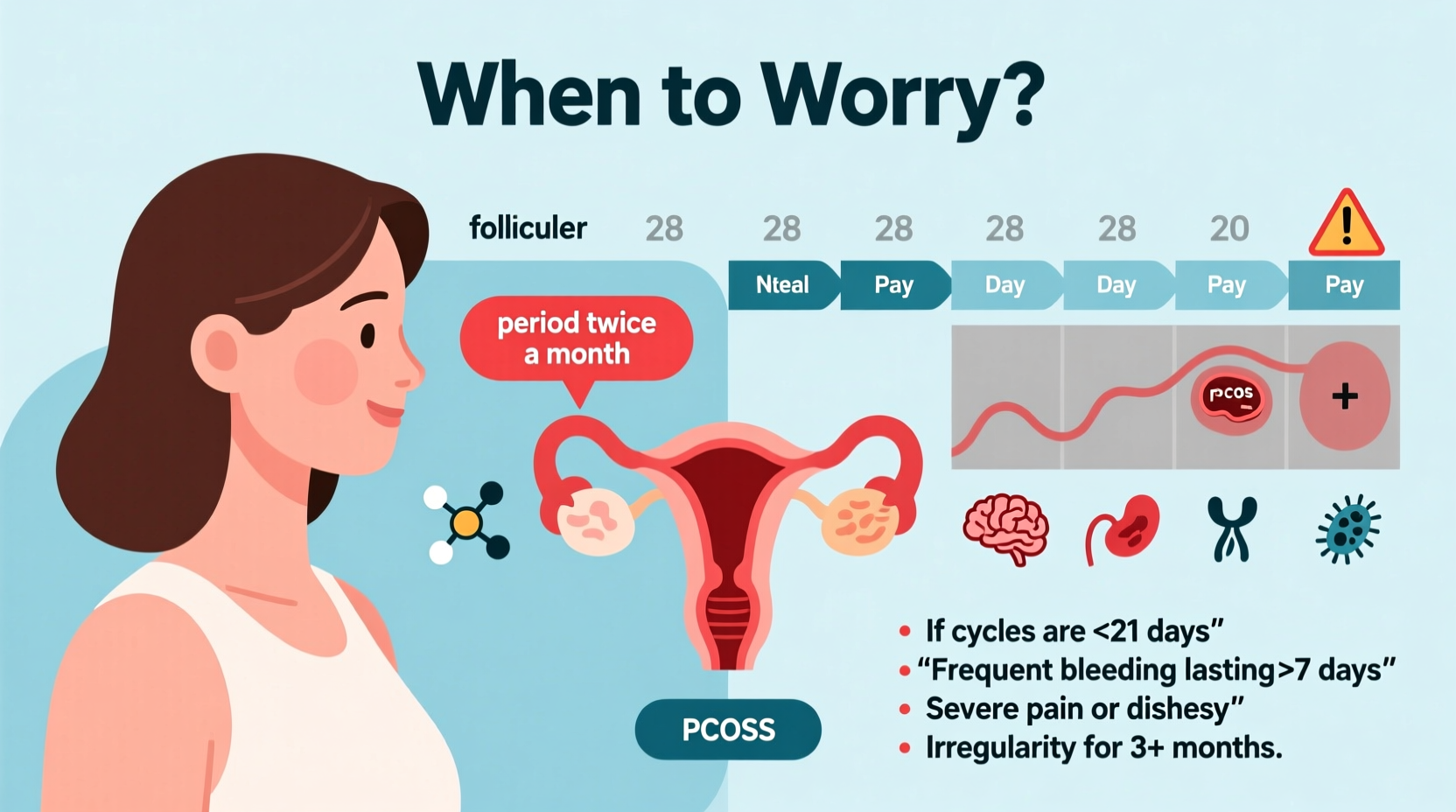
A regular menstrual cycle is defined by its predictability and duration. The average cycle lasts 28 days, but variations between 21 and 35 days are considered normal. If your cycle consistently falls below 21 days—meaning you bleed every two to three weeks—you’re technically having more than one period per month. This is medically referred to as polymenorrhea. It differs from spotting or breakthrough bleeding, which may occur mid-cycle due to ovulation or hormonal fluctuations but doesn’t involve full menstrual flow.
True polymenorrhea involves regular, heavy bleeding episodes occurring too frequently. While not always dangerous, it can impact quality of life, lead to anemia, and indicate deeper hormonal imbalances or reproductive system issues.
Common Causes of Getting Your Period Twice a Month
Frequent menstruation can stem from a variety of sources, ranging from natural hormonal shifts to medical conditions. Understanding these factors helps determine whether intervention is necessary.
- Hormonal Imbalances: Fluctuations in estrogen and progesterone levels can shorten the follicular phase (the first half of the cycle), leading to early ovulation and earlier-than-expected menstruation.
- Thyroid Disorders: Both hypothyroidism and hyperthyroidism disrupt hormone regulation, often causing irregular or shortened cycles.
- Polycystic Ovary Syndrome (PCOS): Although PCOS is often linked to infrequent periods, some individuals experience erratic cycles, including frequent bleeding due to unopposed estrogen and lack of ovulation.
- Perimenopause: Women in their late 30s and 40s may begin experiencing irregular cycles as ovarian function declines, sometimes resulting in multiple bleeds per month.
- Uterine Fibroids or Polyps: Benign growths in the uterus can cause abnormal uterine bleeding, including more frequent periods.
- Infections or Pelvic Inflammatory Disease (PID): Chronic infections affecting the reproductive organs can alter menstrual patterns.
- Stress and Lifestyle Factors: High stress, rapid weight loss, excessive exercise, or poor sleep can interfere with the hypothalamus, disrupting cycle regularity.
- Birth Control Use: Starting, stopping, or switching hormonal contraceptives may temporarily cause irregular bleeding, especially during the first few months.
When to Worry: Red Flags That Require Medical Attention
Occasional irregularity is rarely cause for alarm, especially during adolescence or around major life changes like childbirth or menopause. However, certain symptoms should prompt a visit to a gynecologist:
“Any woman who experiences two periods per month for three consecutive cycles should be evaluated. Frequent bleeding can lead to iron deficiency and may point to treatable conditions like thyroid dysfunction or endometrial hyperplasia.” — Dr. Lena Patel, OB-GYN Specialist
| Symptom | Potential Concern | Action Step |
|---|---|---|
| Bleeding lasting more than 7 days | Menorrhagia (heavy bleeding) | Check hemoglobin levels; rule out fibroids |
| Severe pain with each cycle | Possible endometriosis or adenomyosis | Ultrasound or laparoscopic evaluation |
| Fatigue, dizziness, pale skin | Anemia from blood loss | Blood test for iron and ferritin |
| Bleeding after sex or between periods | Cervical polyps, infection, or precancerous changes | Pap smear and pelvic exam |
| Cycles shorter than 21 days for 3+ months | Hormonal imbalance or pituitary issue | Hormone panel testing |
Mini Case Study: Sarah’s Experience with Frequent Periods
Sarah, a 34-year-old teacher, began noticing her periods arriving every 18–20 days. Initially, she attributed it to stress from work and dismissed it. Over six months, her energy dropped significantly. She felt lightheaded during classes and noticed paleness in her hands. After a routine check-up, her doctor ordered a complete blood count, which revealed iron-deficiency anemia. Further investigation with a transvaginal ultrasound showed multiple small uterine fibroids. With treatment—including low-dose birth control to regulate her cycle and iron supplementation—Sarah’s cycles normalized within three months, and her energy returned.
Her case illustrates how seemingly minor cycle changes can mask serious underlying conditions, especially when combined with other symptoms.
Step-by-Step Guide: What to Do If You’re Getting Two Periods a Month
- Track Your Cycle Accurately: Record the first day of bleeding for at least three months. Include flow level, pain, and associated symptoms.
- Assess Lifestyle Factors: Evaluate recent changes in weight, exercise, sleep, or stress levels that could affect hormones.
- Review Medications: Check if you’ve started or stopped hormonal birth control, anticoagulants, or psychiatric medications known to affect bleeding.
- Schedule a Gynecological Exam: See your doctor for a pelvic exam, Pap smear, and discussion of symptoms.
- Request Diagnostic Tests: Ask for blood work (TSH, prolactin, FSH, LH, CBC) and possibly an ultrasound to evaluate the uterus and ovaries.
- Follow Up on Results: Work with your provider to develop a treatment plan, which may include medication, lifestyle adjustments, or further specialist care.
Checklist: Actions to Take Now
- ✅ Start tracking your menstrual cycle daily
- ✅ Note any additional symptoms (mood swings, acne, hair growth, fatigue)
- ✅ Avoid self-diagnosing based on internet searches
- ✅ Schedule a doctor’s appointment if irregularity persists beyond three cycles
- ✅ Request specific blood tests if not automatically offered
- ✅ Consider a second opinion if concerns are dismissed
Frequently Asked Questions
Can stress really cause me to get my period twice a month?
Yes. Chronic stress affects the hypothalamic-pituitary-ovarian (HPO) axis, which regulates your menstrual cycle. Elevated cortisol levels can shorten the follicular phase, leading to earlier ovulation and menstruation. Managing stress through mindfulness, therapy, or improved sleep hygiene can help restore balance.
Is it possible to ovulate more than once in a month?
No, a person typically ovulates only once per cycle. However, they may release more than one egg during that single ovulation. True double ovulation in one month is extremely rare and not responsible for having two periods. Frequent bleeding is usually due to cycle shortening, not extra ovulation.
Could frequent periods affect my fertility?
It depends on the cause. Shortened cycles may indicate poor ovarian reserve or luteal phase defects, both of which can impact conception. If you're trying to get pregnant and experiencing irregular cycles, consult a reproductive endocrinologist for evaluation.
Conclusion: Take Charge of Your Reproductive Health
Your menstrual cycle is a vital sign of overall health—not something to ignore or normalize away. Experiencing a period twice a month may be temporary, but when it becomes a pattern, it deserves attention. From hormonal shifts to structural abnormalities, the causes vary widely, and so do the treatments. The key is early awareness, accurate tracking, and proactive communication with your healthcare provider. By understanding your body and advocating for proper evaluation, you empower yourself to maintain long-term reproductive wellness.




 浙公网安备
33010002000092号
浙公网安备
33010002000092号 浙B2-20120091-4
Comments
No comments yet. Why don't you start the discussion?