
In a world where individuality drives consumer behavior, even the smallest accessories are undergoing a transformation. Once considered purely functional, keychains have evolved into personal statements. What was once a sea of identical metal rings and plastic trinkets is now dominated by custom-engraved names, quirky inside jokes, and branded designs that speak directly to identity. The rise of personalized keychains isn’t just a trend—it’s a cultural shift. And as demand soars, many are asking: are generic keychains officially over?
The Rise of Personalization in Everyday Accessories
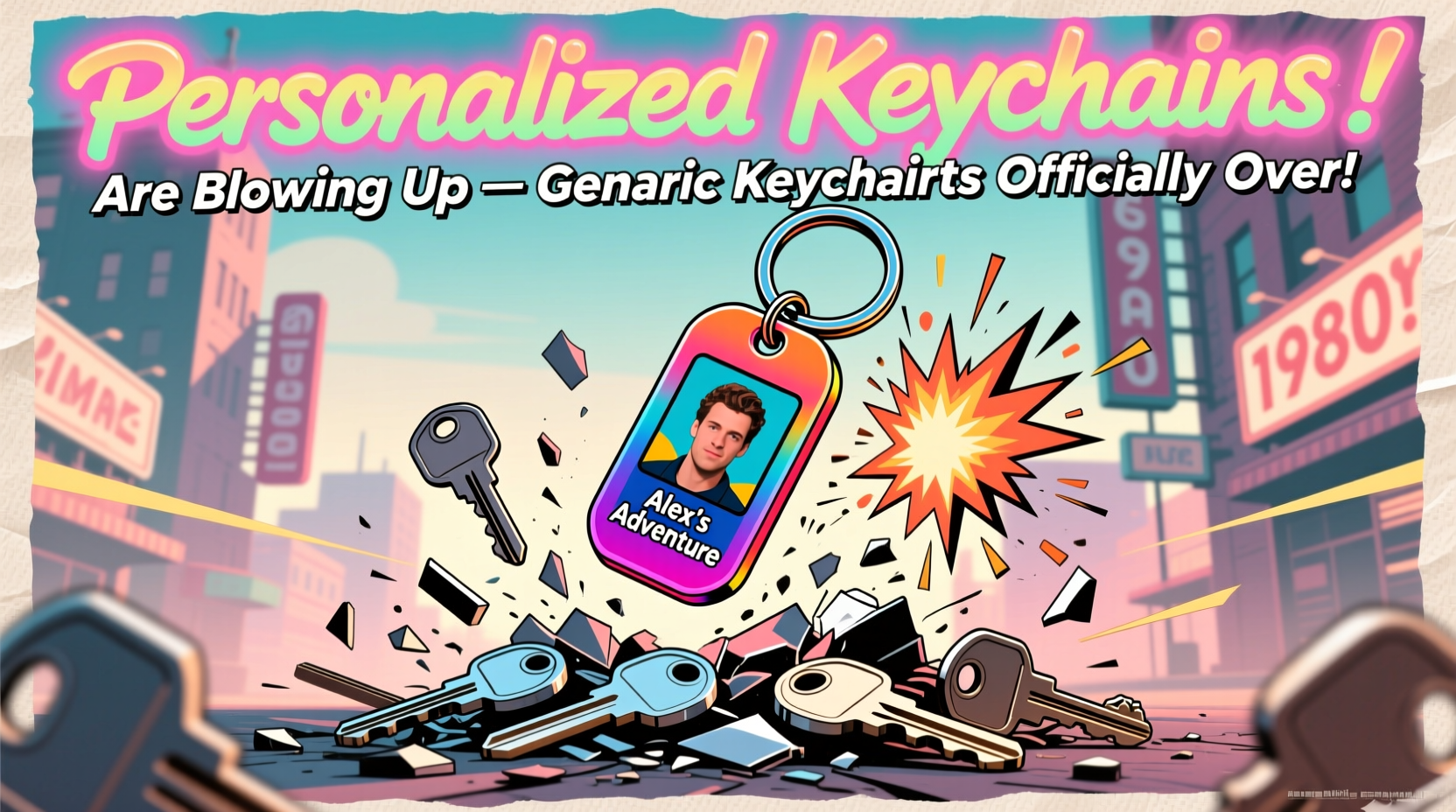
Gone are the days when a keychain served only to keep keys together. Today, it’s a canvas for expression. From engraved initials to miniature portraits, from laser-cut wood with meaningful quotes to 3D-printed replicas of pets, personalization has turned a mundane object into a keepsake.
Several factors fuel this shift:
- Emotional resonance: People connect more deeply with items that reflect their identity or commemorate special moments.
- Social media influence: Unique keychains make great photo props and unboxing content, encouraging sharing and virality.
- Improved production tech: Affordable laser engraving, digital printing, and on-demand manufacturing make customization accessible at scale.
- Gift economy growth: Consumers increasingly seek meaningful, thoughtful gifts—and personalized keychains fit the bill perfectly.
According to a 2023 report by Grand View Research, the global custom merchandise market is projected to grow at a CAGR of 9.4% through 2030, with accessories like keychains leading the charge in niche personalization.
Why Generic Keychains Are Losing Ground
Generic keychains—think mass-produced promotional items with company logos or cartoon characters—are still around, but their relevance is fading. While they once dominated corporate giveaways and tourist shops, their lack of uniqueness makes them forgettable.
A study by Dotcom Distribution found that 72% of consumers are more likely to keep a customized promotional product than a standard one. This means that while a generic keychain might end up discarded in a drawer, a personalized one is more likely to be used daily.
Moreover, younger generations prioritize authenticity and self-expression. A survey by McKinsey revealed that 65% of Gen Z consumers are willing to pay extra for personalized products. For them, owning something “just like everyone else’s” feels outdated.
“Customization isn’t just about aesthetics—it’s about ownership. When someone sees their name or story on an object, it becomes part of their narrative.” — Lena Patel, Consumer Behavior Analyst at TrendSight Group
Comparison: Personalized vs. Generic Keychains
| Feature | Personalized Keychains | Generic Keychains |
|---|---|---|
| Uniqueness | High – tailored to individual preferences | Low – mass-produced, widely available |
| Emotional Value | Strong – often tied to memories or relationships | Weak – primarily functional or promotional |
| Lifespan (Usage) | Longer – users attach sentimental value | Shorter – easily replaced or lost |
| Brand Recall (for Promos) | Higher – memorable due to customization | Lower – blends in with other swag |
| Production Cost | Moderate to high (per unit, but scalable) | Low (bulk discounts apply) |
| Market Demand (2024) | Rising – especially in e-commerce and gifting | Declining – limited to bulk corporate use |
How Brands Are Adapting to the Personalization Wave
Forward-thinking companies are no longer treating keychains as afterthoughts. Instead, they’re integrating personalized keychains into loyalty programs, wedding favors, and even employee recognition kits.
For example, outdoor gear brand TrailHaven launched a campaign allowing customers to add their hiking trail completion dates to titanium keychains. The result? A 40% increase in post-purchase engagement and a surge in user-generated content tagged with #MyTrailStory.
E-commerce platforms like Etsy and Shopify have also made it easier for small creators to offer customizable options. With integrated design tools, buyers can preview engravings in real time, select materials, and even upload images—all before checkout.
Step-by-Step: Launching a Personalized Keychain Line
- Define your niche: Focus on a specific audience—pet lovers, travelers, graduates, couples.
- Choose materials: Options include stainless steel, leather, wood, acrylic, or silicone—each offering different engraving capabilities.
- Select a production method: Laser engraving, UV printing, or CNC cutting depending on material and detail level.
- Build an online configurator: Use tools like Canva Apps or Shopify’s Infinite Options to let customers customize live.
- Test with a small batch: Gather feedback on durability, clarity of engraving, and packaging.
- Scale with automation: Integrate with print-on-demand services like Gooten or Printful to reduce inventory risk.
Real-World Example: The “Key To My Heart” Campaign
In early 2023, boutique jewelry brand Luna & Oak introduced a Valentine’s Day promotion: “Design Your Own Love Keychain.” Customers could choose between two interlocking keys—one for them, one for their partner—with custom coordinates of their first meeting place engraved on the back.
The campaign went viral on TikTok after a customer shared a video of her partner recognizing the exact street corner where they met. Within three weeks, Luna & Oak sold over 5,000 units—tripling their initial projection—and gained 18K new Instagram followers.
This wasn’t just a product launch; it was an emotional experience packaged in metal and ink. It demonstrated that personalization transforms utility into meaning.
Checklist: Is a Personalized Keychain Right for You?
- ✅ Looking for a thoughtful, low-cost gift?
- ✅ Want to strengthen brand loyalty with customers?
- ✅ Planning a wedding, graduation, or corporate event?
- ✅ Seeking a unique marketing giveaway that won’t be tossed?
- ✅ Interested in launching a side hustle with minimal overhead?
If you answered yes to any of these, personalized keychains offer a powerful solution.
Frequently Asked Questions
Can personalized keychains be cost-effective for large orders?
Absolutely. While per-unit costs may be slightly higher than generic models, bulk customization through modern suppliers reduces the gap significantly. Many vendors offer tiered pricing, making orders of 100+ units highly affordable—especially when factoring in retention and engagement benefits.
What’s the most durable material for engraved keychains?
Stainless steel and titanium are top choices for longevity and scratch resistance. Anodized aluminum offers vibrant colors and good durability at a lower price point. For eco-conscious buyers, sustainably sourced wood or recycled ocean plastic are emerging favorites.
Do personalized keychains really make better gifts?
Research says yes. A 2022 study by the Gift Card Innovation Institute found that 81% of recipients rated personalized physical gifts as “more appreciated” than non-customized ones—even when the price was similar. The perceived effort and thought behind customization elevate the gift’s value.
Conclusion: The Future is Custom
Generic keychains aren’t entirely obsolete—they still serve a purpose in high-volume, low-budget scenarios like trade show giveaways. But their dominance is over. As consumers demand more meaning from what they own, personalization has become the new standard.
Whether you’re a brand looking to deepen customer relationships, a couple planning wedding favors, or someone searching for a heartfelt gift, personalized keychains offer a simple yet profound way to stand out. They’re not just accessories—they’re tiny storytellers.




 浙公网安备
33010002000092号
浙公网安备
33010002000092号 浙B2-20120091-4
Comments
No comments yet. Why don't you start the discussion?