
For dog owners who spend long hours away from home, ensuring their pet's emotional well-being is a top priority. Separation anxiety affects nearly 20% of dogs, manifesting in destructive behavior, excessive barking, or house soiling. In response, pet tech has evolved rapidly—offering everything from simple live-streaming monitors to interactive devices with two-way audio and automated treat dispensers. But when it comes to calming an anxious dog, do high-tech features actually help—or do they sometimes cause more stress than relief? This article compares pet cameras with treat tossers against basic monitoring systems, examining behavioral science, real-world use cases, and expert insights to determine which solution truly keeps dogs calmer.
The Role of Visual and Auditory Contact in Canine Calmness
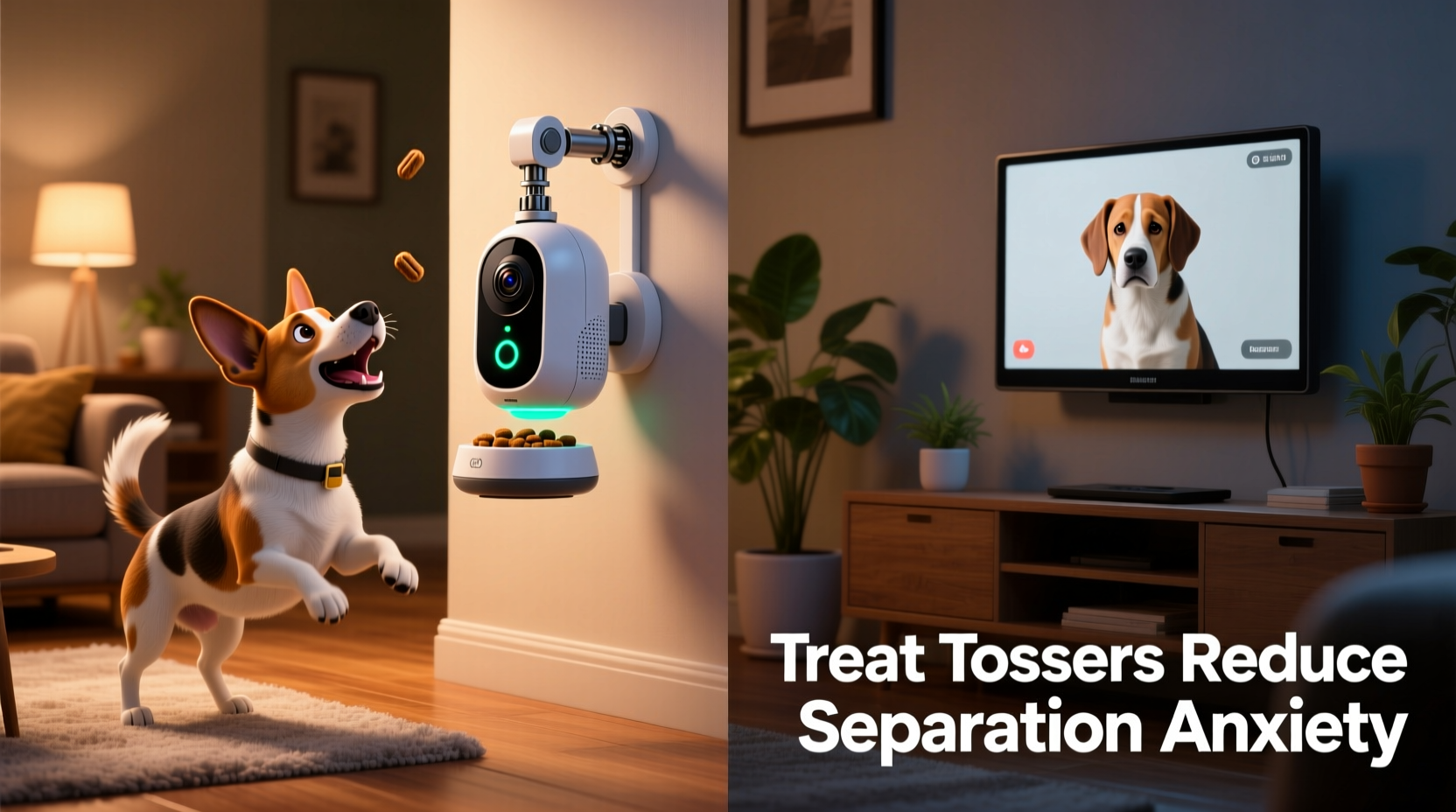
Dogs are social animals that form strong attachments to their caregivers. When left alone, many experience distress due to the absence of familiar cues. Basic pet cameras address this by allowing owners to check in visually and speak to their pets via two-way audio. The sound of a familiar voice can have a measurable soothing effect on a dog’s heart rate and cortisol levels, according to research conducted at the University of Veterinary Medicine Vienna.
However, visual contact alone may not be sufficient. A 2023 study published in *Applied Animal Behaviour Science* found that while dogs responded positively to hearing their owner’s voice through a monitor, prolonged exposure without physical presence could lead to increased agitation in highly attached individuals—especially if the interaction was brief or inconsistent.
“Dogs interpret communication contextually. Hearing their owner but not seeing them arrive can create confusion or frustration, particularly in breeds prone to attachment behaviors.” — Dr. Lena Torres, Certified Applied Animal Behaviorist
This suggests that while basic monitors provide emotional reassurance, their effectiveness depends on usage patterns and the individual dog’s temperament.
Interactive Features: Do Treat Tossers Reduce Anxiety?
Pet cameras with treat-tossing capabilities take interactivity a step further. These devices allow owners to dispense treats remotely, often paired with verbal praise. The idea is rooted in positive reinforcement: rewarding calm behavior during solitude encourages repetition of that behavior over time.
From a training perspective, this makes sense. If a dog lies quietly on its bed and receives a treat via camera command, it learns that stillness is rewarded. Over repeated sessions, this can condition lower arousal states when alone. However, misuse of treat-based interaction can backfire. For example:
- Reinforcing attention-seeking barking by tossing a treat immediately after the dog vocalizes.
- Creating dependency on external stimulation rather than self-soothing.
- Encouraging hyper-vigilance as the dog waits for the next treat drop.
In practice, treat-dispensing cameras work best when integrated into a structured routine. Dogs trained to go to a specific mat or chew a toy when the camera activates begin to associate the device with relaxation, not excitement.
Comparative Analysis: Feature-by-Feature Breakdown
To clarify the differences between basic monitors and advanced treat-tossing models, here’s a detailed comparison based on functionality, psychological impact, and ease of use.
| Feature | Basic Pet Monitors | Pet Cameras with Treat Tossers |
|---|---|---|
| Live Video Streaming | ✔️ Yes (often 720p–1080p) | ✔️ Yes (up to 1080p or higher) |
| Two-Way Audio | ✔️ Yes | ✔️ Yes |
| Treat Dispensing | ❌ No | ✔️ Remote-controlled or scheduled |
| Motion & Sound Alerts | ✔️ Basic alerts | ✔️ Advanced AI-powered detection |
| Behavioral Impact | Low to moderate engagement; less risk of overstimulation | High engagement; potential for overstimulation if misused |
| Best For | Dogs with mild separation anxiety, low-tech households | Dogs needing mental stimulation, owners using structured reward systems |
| Cost Range | $40–$80 | $100–$250 |
The table reveals a clear trade-off: advanced features offer greater interactivity but require more thoughtful implementation to avoid unintended consequences. For dogs already prone to hyperactivity or food obsession, constant treat availability may heighten arousal rather than reduce it.
A Real-World Example: Two Dogs, Two Outcomes
Consider two dogs living in similar urban apartments:
Case 1: Bella, a 3-year-old Cavalier King Charles Spaniel
Bella suffers from moderate separation anxiety. Her owner installed a basic 1080p camera with two-way audio. Each day before leaving, she sets up a calming playlist and turns on the camera. Midday, she checks in and softly says, “I’m thinking of you,” without calling Bella’s attention to the screen. Bella occasionally glances at the device but mostly naps on her orthopedic bed. Over six weeks, barking incidents dropped from 12 per day to 2.
Case 2: Max, a 2-year-old Border Collie
Max is highly intelligent and energetic. His owner purchased a premium treat-tossing camera and began dispensing kibble every time Max looked at the lens. Initially, Max became excited upon hearing the mechanism. But within three weeks, he began staring at the camera constantly, pacing near its base, and barking sharply each time it moved. The vet noted signs of compulsive behavior. After switching to scheduled puzzle feeders and disabling remote treats, Max’s focus improved significantly.
“We assumed the treat cam would keep Max entertained. Instead, it turned his downtime into a performance. He wasn’t calmer—he was waiting for cues.” — Sarah Lin, Max’s Owner
These contrasting experiences highlight a critical point: technology should support natural canine behavior, not override it. Calmness stems from predictability and security—not constant novelty.
Expert Recommendations for Choosing the Right System
Veterinary behaviorists emphasize that no device replaces environmental enrichment and proper training. That said, here’s a practical checklist to guide selection based on your dog’s needs.
📋 Choosing the Right Pet Monitoring System: A Checklist
- Assess your dog’s anxiety level: Mildly anxious dogs benefit from passive monitoring; severely anxious ones need professional intervention first.
- Evaluate energy and breed tendencies: High-drive breeds (e.g., herding dogs) may become frustrated by intermittent interaction.
- Test audio sensitivity: Play a recorded message through the device while observing your dog’s reaction. Does it perk up calmly or rush to the camera?
- Limit treat frequency: If using a tosser, restrict treats to once daily and pair with a command like “settle” to reinforce calmness.
- Use schedules, not spontaneity: Random treats increase vigilance. Scheduled rewards build routine trust.
- Combine with other tools: Pair camera use with background noise, pheromone diffusers (like Adaptil), or stuffed Kongs for holistic calming.
Step-by-Step Guide to Introducing a Pet Camera Safely
Whether you choose a basic monitor or a treat-tossing model, gradual introduction prevents negative associations. Follow this timeline:
- Day 1–2: Neutral Exposure
Set up the camera without turning on audio or motion. Let your dog investigate it naturally. Reward curiosity with treats—but not from the device. - Day 3–4: Passive Audio Introduction
Play a soft recording of your voice at low volume while you’re home. Observe whether your dog relaxes or tenses. - Day 5–6: Interactive Testing (if applicable)
Use two-way talk or dispense one treat while present. Pair the sound of the mechanism with a known cue like “treat time.” - Day 7: First Solo Test
Leave for 15 minutes with the camera active. Review footage afterward: Is your dog calm? Distracted? Obsessed with the device? - Week 2+: Gradual Increase
Extend absence duration only if behavior remains relaxed. Adjust settings based on observed reactions.
If your dog shows signs of fixation—repeatedly checking the camera, whining at it, or refusing to rest—revert to a non-interactive setup or discontinue use.
Frequently Asked Questions
Can a pet camera make my dog more anxious?
Yes, if used incorrectly. Sudden noises, frequent voice interruptions, or unpredictable treat drops can disrupt a dog’s ability to settle. Devices placed in high-traffic or exit zones may also trigger guarding or longing behaviors. Always introduce the camera gradually and monitor your dog’s response.
Are treat-tossing cameras good for all dog sizes?
Most treat tossers accommodate standard kibble (up to 1 inch), making them suitable for small to large breeds. However, toy breeds may struggle with larger treats, while power-chewers can dismantle poorly secured units. Check manufacturer specs and consider using soft treats or pre-ground kibble for sensitive eaters.
Do dogs recognize their owners on camera screens?
No, dogs do not recognize faces on screens the way humans do. They respond primarily to auditory cues—the tone, pitch, and familiarity of your voice. While some dogs look toward the device when spoken to, they aren’t “seeing” you; they’re reacting to sound.
Final Thoughts: Prioritizing Calm Over Convenience
Technology offers powerful tools for staying connected with our pets, but emotional well-being hinges on consistency, environment, and understanding canine psychology. Basic monitors often provide sufficient reassurance for most dogs, especially when combined with calming routines. Treat-tossing cameras can be beneficial—but only when used intentionally, not as a substitute for structure or enrichment.
The goal isn’t constant interaction; it’s helping your dog feel secure in your absence. A calm dog isn’t one that’s endlessly entertained—it’s one that knows how to relax, even when alone.




 浙公网安备
33010002000092号
浙公网安备
33010002000092号 浙B2-20120091-4
Comments
No comments yet. Why don't you start the discussion?