
The holiday season brings joy, warmth, and tradition — but for pet owners, especially those with dogs or cats prone to chewing, it can also introduce unexpected hazards. Traditional Christmas trees, while festive, pose serious risks: sharp needles, toxic sap, electrical cords from lights, and unstable bases that topple under curious paws. For homes with destructive chewers, a real or artificial tree might not be worth the risk. The good news? There are safe, stylish, and pet-friendly alternatives that preserve the spirit of the season without compromising your pet’s safety.
Choosing a pet-safe alternative isn’t just about avoiding danger — it’s about creating a stress-free environment where both pets and people can enjoy the holidays. From wall-mounted designs to tabletop displays, creative substitutions allow you to celebrate safely while keeping your furry companions out of harm's way.
Why Traditional Trees Are Risky for Destructive Chewers
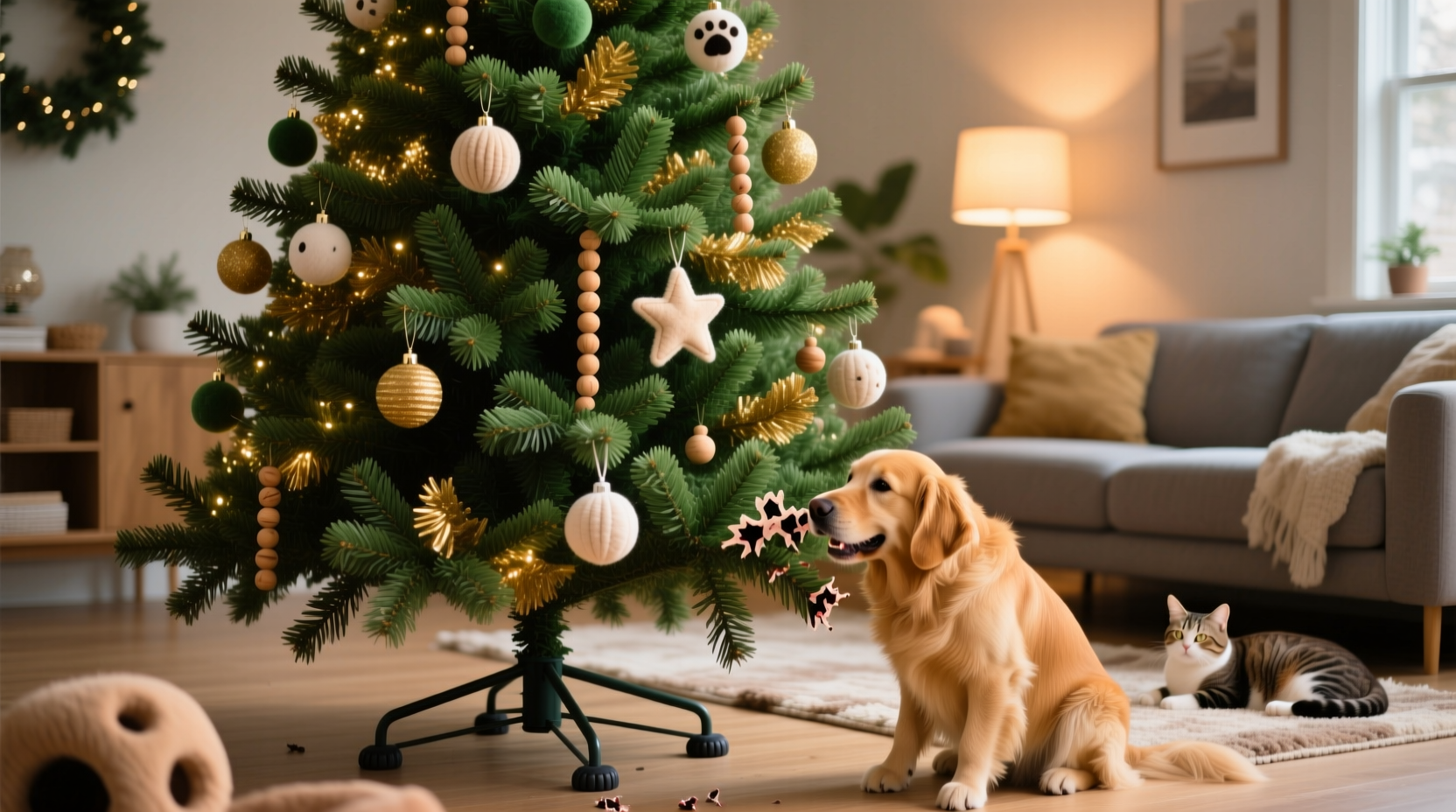
Many pet owners underestimate how quickly a curious dog or cat can turn a holiday centerpiece into a disaster zone. Real pine, fir, and spruce trees contain oils and compounds that are mildly toxic when ingested. Symptoms include vomiting, drooling, and gastrointestinal upset. In severe cases, ingestion of needles can lead to intestinal blockages requiring surgery.
Artificial trees aren't much safer. While they don’t carry toxins, they present physical dangers. PVC branches can splinter when chewed, posing choking hazards or internal injuries. Tinsel, ornaments, and light cords add further risks — especially since frayed wires can cause electrocution if bitten.
“Pets don’t distinguish between toys and decorations. To them, dangling tinsel or a shiny bulb is an invitation to play — often with dangerous consequences.” — Dr. Rebecca Langston, DVM, Veterinary Behavior Specialist
For breeds known for compulsive chewing — such as Labradors, Beagles, or young teething puppies — even barriers and deterrents may fail. That’s why rethinking the entire concept of a “tree” makes sense in high-risk households.
Top Pet-Safe Christmas Tree Alternatives
These alternatives maintain the festive atmosphere while eliminating common hazards. Each option prioritizes stability, non-toxic materials, and reduced temptation for pets to interact.
1. Wall-Mounted Tree Silhouettes
One of the safest options is replacing a floor-standing tree with a wall-mounted design. Using wooden cutouts, washi tape, string lights, or framed garlands arranged in a triangular shape, you can create the illusion of a tree without anything accessible at ground level.
Mount the display above pet traffic zones — ideally 4–6 feet off the ground. Use adhesive hooks rated for weight if adding lightweight ornaments. LED string lights can be secured with clips rather than draped loosely.
2. Ladder Shelf Displays
A decorative ladder shelf offers vertical space for tiered holiday decor. Place small potted evergreens (like rosemary shaped into mini-trees), battery-operated candles, ceramic figurines, or stacked gift boxes on each rung.
Because items sit flat and can be anchored, there’s less risk of tipping. Avoid placing food-like ornaments or dangling ribbons within reach. Choose shelves made of solid wood or metal — avoid wobbly, lightweight models.
3. Tabletop \"Trees\" Made from Safe Materials
Miniature trees crafted from non-toxic materials bring holiday cheer to countertops or sideboards. Consider:
- Rosemary plants: Naturally fragrant, non-toxic to pets, and easily shaped into conical forms. Decorate with tiny felt ornaments or popcorn strings.
- Felt or fabric trees: Handmade or store-bought versions made entirely from sewn wool or cotton. These can’t be chewed into sharp fragments and are washable if soiled.
- Wooden stack trees: Tiered wooden rings assembled like a tree, painted in holiday colors. No small parts, no electricity, no temptation.
4. Bookshelf Trees
Transform a bookshelf into a 3D tree by arranging books, baskets, and decor in a triangular gradient. Start wide at the bottom and narrow toward the top. Add string lights along the back edge and place small ornaments on shelves.
This solution uses existing furniture, reduces clutter, and keeps everything out of paw’s reach. Bonus: It doubles as storage during and after the season.
5. Hanging Canopy Trees
Suspend a central decoration from the ceiling using a sturdy hook. Options include a large wreath with downward-pointing branches, a macramé tree filled with dried citrus and cinnamon sticks, or a circular frame adorned with greenery and lights.
Since it hangs overhead, it’s completely inaccessible to pets. Ensure all hanging elements are securely fastened and avoid loose threads or strings that could dangle.
Comparison: Traditional vs. Alternative Trees
| Feature | Traditional Tree | Pet-Safe Alternative |
|---|---|---|
| Toxicity Risk | High (needles, sap, preservatives) | Low to none (non-toxic materials) |
| Chewing Hazard | High (splinters, plastic shards) | Minimal (solid, soft, or elevated) |
| Stability | Low (can tip with pull) | High (anchored, wall-mounted, or fixed) |
| Electrical Risk | Moderate to high (exposed cords) | Low (battery-powered or cordless) |
| Pet Access | Full access at floor level | Limited or none |
Step-by-Step: Creating a Pet-Safe Holiday Display
Follow this timeline to install a secure, beautiful alternative before guests arrive.
- Week 1: Assess Your Space and Pet Behavior
Observe where your pet spends time and what attracts their attention. Identify high-traffic areas to avoid. - Week 2: Choose Your Alternative Style
Select one of the five options based on your home layout, décor style, and pet’s activity level. - Week 3: Source Materials
Gather supplies — rosemary plants, felt ornaments, shelves, tape, lights — ensuring everything is non-toxic and flame-retardant. - Week 4: Install and Secure
Mount shelves, hang displays, or arrange tabletop pieces. Test stability by gently nudging. Plug in lights and check timers. - Ongoing: Monitor and Adjust
Watch your pet’s reaction. If they show interest in a particular element, reposition or remove it.
Checklist: Pet-Safe Holiday Prep
- ✅ Remove all tinsel, ribbon, and small ingestible ornaments
- ✅ Use only battery-powered or cord-protected lights
- ✅ Anchor shelves, ladders, and hanging fixtures to walls
- ✅ Choose non-toxic plants (avoid mistletoe, holly, poinsettia)
- ✅ Train pets using positive reinforcement to stay away from designated zones
- ✅ Provide chew-resistant toys to redirect oral fixation
Real Example: The Miller Family Solution
The Millers adopted a two-year-old Labrador mix named Max who loved chewing anything he could find — shoes, baseboards, even garden hoses. When the holidays approached, they wanted to decorate but feared a traditional tree would become his next target.
Instead of risking it, they built a wall-mounted tree using green washi tape on their living room accent wall. They added removable vinyl star shapes and wrapped small gifts to place beneath it. Battery-powered fairy lights were secured along the edges with clear clips. A second, smaller rosemary “tree” sat on a high console table, decorated with felt balls.
Max showed mild interest at first, sniffing around the base, but with consistent redirection and extra chew toys, he lost interest within days. The family enjoyed a festive home without anxiety — and Max stayed healthy and happy.
Expert Tips for Long-Term Success
Even the safest setup benefits from behavioral support. Pets chew for many reasons: boredom, anxiety, teething, or habit. Addressing the root cause improves overall safety.
“Environmental enrichment is key. A mentally stimulated pet is less likely to engage in destructive behavior — especially during disruptive seasons like the holidays.” — Dr. Lena Torres, Certified Animal Behavior Consultant
Rotate durable chew toys weekly to maintain novelty. Puzzle feeders filled with treats keep mouths busy. If your pet struggles with separation or noise from gatherings, consider a quiet back-room retreat with calming music or pheromone diffusers.
Frequently Asked Questions
Are there any live plants I can use that are safe for pets?
Yes. Rosemary, spider plants, and certain ferns are non-toxic and can be shaped into festive forms. Avoid poinsettias, amaryllis, mistletoe, and lilies, which are highly toxic to cats and dogs.
Can I still have lights without cords being a hazard?
Absolutely. Use battery-operated string lights with built-in timers. These eliminate cords entirely and can be safely placed on shelves, walls, or in glass jars for a glowing effect.
What if my pet knocks over a tabletop display?
Choose low-center-of-gravity designs. Place heavier items on lower tiers and secure lightweight decor with museum putty. Alternatively, elevate displays onto counters or hung cabinets.
Conclusion: Celebrate Safely and Creatively
The holidays shouldn’t mean choosing between tradition and pet safety. With thoughtful planning, you can design a festive space that delights everyone — including your four-legged family members. By replacing hazardous centerpieces with innovative, chew-proof alternatives, you protect your pet while preserving the joy of the season.
Start small. Try one alternative this year — a wall tree, a rosemary centerpiece, or a shelf display. You might discover it feels more personal, easier to maintain, and far less stressful than wrestling with a shedding evergreen while dodging a determined chewer.




 浙公网安备
33010002000092号
浙公网安备
33010002000092号 浙B2-20120091-4
Comments
No comments yet. Why don't you start the discussion?