
In an age where minimalism and functionality are prized, the debate between using a phone case with a built-in wallet versus carrying a separate wallet has become increasingly relevant. The goal for many is simple: reduce bulk, streamline essentials, and keep pockets as lean as possible. But which option truly delivers on that promise? While both have loyal followings, the answer depends on lifestyle, usage habits, and personal priorities.
A phone case with a wallet integrates card storage directly into the protective shell of your smartphone. A separate wallet, on the other hand, maintains independence—holding cards, cash, and IDs in its own compact form. At first glance, combining the two seems efficient. But does it actually result in a slimmer profile, or does it create new problems?
The Case for Phone Cases with Wallets
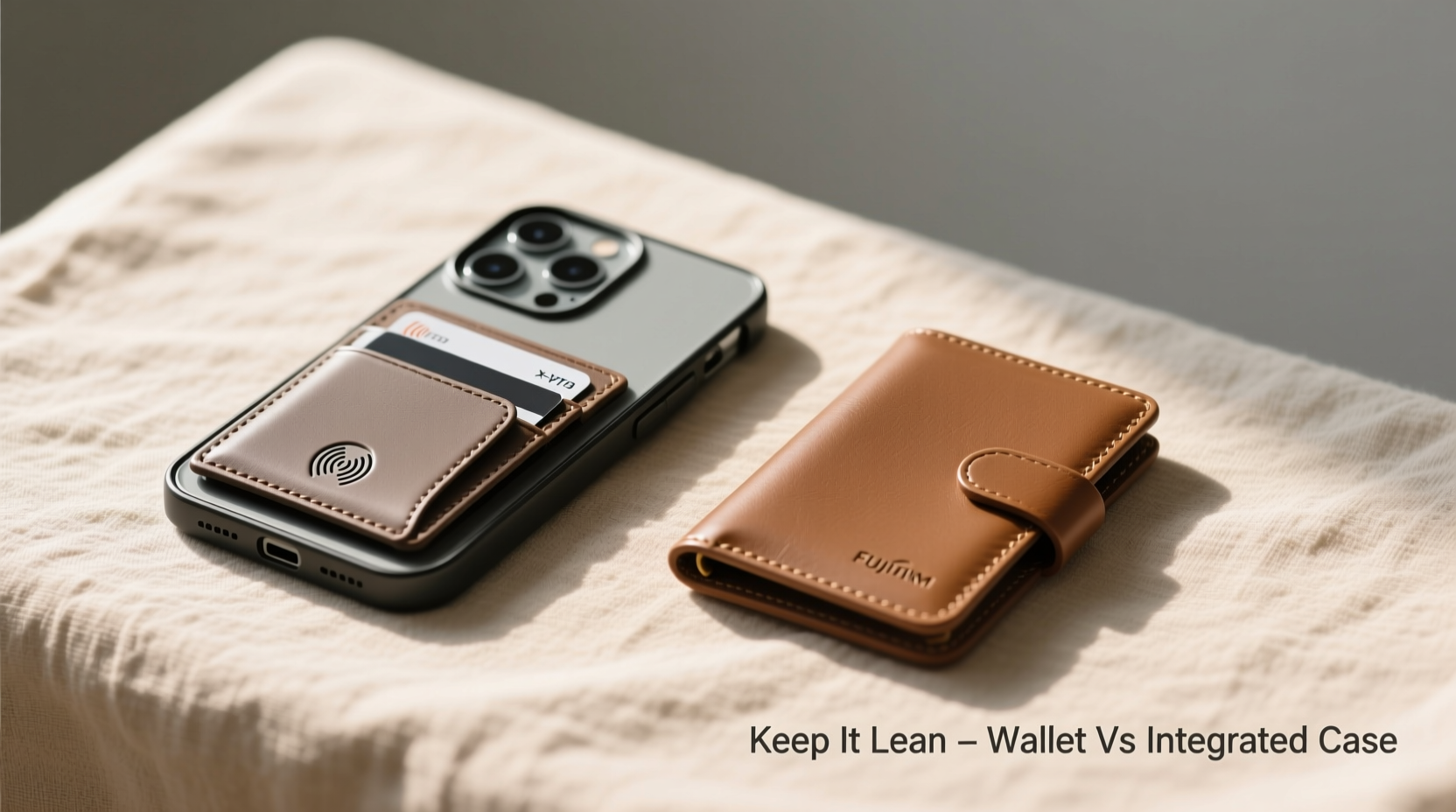
Integrated wallet cases gained popularity during the rise of minimalist design philosophies. Brands like Bellroy, PopSockets, and Apple itself experimented with magnetic or slide-in solutions that allow users to carry just their phone and a few essential cards. The appeal lies in simplicity: no need to juggle multiple items when one device can serve dual purposes.
These cases typically hold 2–4 cards and sometimes include a small compartment for folded bills. Some models feature RFID blocking to protect against digital theft. For people who only carry a driver’s license, credit card, and transit pass, this setup eliminates the need for a full-sized wallet altogether.
The most significant advantage is consolidation. Instead of reaching for two separate items, everything is accessible through one motion. This reduces friction in daily routines—especially when entering transit systems, making quick purchases, or unlocking doors.
When Wallet Cases Shine
- Urban commuters: People navigating public transport often benefit from having tap-to-pay access without removing anything from their pocket.
- Minimalists: Those aiming to carry only the essentials find that three cards and a phone cover most needs.
- Frequent travelers: In airports, having boarding passes and ID immediately available behind the phone screen speeds up security checks.
However, integration comes at a cost—literally and functionally. Most wallet cases add noticeable thickness and weight. What starts as a sleek smartphone becomes a bulky rectangle that strains pocket seams and disrupts clothing lines.
The Lean Argument for Separate Wallets
A well-designed standalone wallet, especially modern ultra-slim models, offers surprising efficiency. Slim bifold, front-pocket, or aluminum sleeve wallets weigh mere ounces and compress flat when not overstuffed. Unlike integrated cases, they don’t compromise the phone’s ergonomics or protection.
One of the biggest misconceptions is that carrying two items automatically means more bulk. In reality, distributing volume across two thin objects can feel less intrusive than one thick combined unit. Think of it like wearing a slim jacket instead of a puffy coat—even if both have similar total material, the distribution affects comfort dramatically.
“Carrying a minimalist wallet and a bare phone often results in a flatter, more balanced silhouette than a chunky combo case.” — Daniel Reed, Urban Lifestyle Designer
Separate wallets also offer greater flexibility. You can leave your phone behind (e.g., during workouts) while still carrying payment methods. Or, if battery life is low, hand off your phone to someone else without surrendering your financial identity.
Design Matters More Than Count
Not all wallets are created equal. A bloated leather bi-fold stuffed with receipts, loyalty cards, and expired coupons defeats the purpose. The key is intentional curation. A quality slim wallet encourages discipline: carry only what you need, rotate seasonally, and avoid accumulation.
| Feature | Wallet Phone Case | Separate Slim Wallet |
|---|---|---|
| Thickness | High (adds 8–12mm) | Low (3–5mm) |
| Card Capacity | Limited (2–4 cards) | Adjustable (1–12 cards) |
| Cash Storage | Poor (rarely fits more than one bill) | Good (designed for folded bills) |
| Pocket Profile | Bulky, distorts fabric | Flat, conforms to leg line |
| Dropping Risk | Higher (entire package falls) | Lower (items separate) |
| Upgrade Flexibility | Low (must replace case with new phone) | High (wallet lasts years) |
Real-World Example: Alex’s Commute Experiment
Alex, a graphic designer in Seattle, tested both setups over six weeks. He began by switching to a popular leather wallet case that held three cards. Within days, he noticed his jeans sagged more on the right side, and sitting felt awkward due to the protruding corner. After two weeks, he developed a habit of removing the cards before sitting down—defeating the convenience factor.
He then switched to a titanium front-pocket wallet holding two cards and a folded $20. Paired with his bare iPhone, the total carried weight was nearly identical—but distributed differently. The difference? His pocket remained flat, movement felt unrestricted, and he reported feeling “lighter” even though the actual mass hadn’t changed much.
“It’s about perception and fit,” Alex noted. “The separate wallet tucks in cleanly. The combo case sticks out like a sore thumb.”
Step-by-Step Guide to Choosing Your Setup
Deciding between a wallet case and a separate wallet shouldn’t be arbitrary. Follow this logical process to determine what works best for your daily life:
- Inventory your essentials: List every item you currently carry in your wallet. Remove duplicates, expired cards, and unnecessary slips.
- Assess your payment habits: Do you primarily use contactless (Apple Pay, Google Pay), swipe cards, or cash? High reliance on NFC favors fewer physical cards.
- Evaluate your clothing: Try both options in your most-worn pants. Sit, walk, and bend. Which causes more discomfort or visible bulge?
- Test drop safety: Simulate dropping your phone (onto carpet). With a wallet case, do cards fly out? Is alignment affected?
- Track usage frequency: For one week, note how often you access your wallet independently of your phone. If frequently separate, a standalone wallet makes sense.
- Consider longevity: Will you keep the same phone for 18+ months? If upgrading often, investing in a high-end wallet case may not be cost-effective.
Common Pitfalls to Avoid
Regardless of which system you choose, certain mistakes undermine the goal of a lean pocket:
- Overfilling the case: Stacking more than four cards in a wallet case creates excessive thickness and increases ejection risk.
- Ignoring material fatigue: Leather or silicone cases stretch over time, loosening card grip and leading to loss.
- Mixing old and new tech: Carrying a MagSafe-compatible phone but using a non-aligned wallet case can interfere with charging and accessories.
- Forgetting emergency backups: Relying solely on digital payments without a backup card leaves you vulnerable during outages.
Checklist: Optimize Your Carry System
- ✔ Trim wallet to 3–4 essential cards max
- ✔ Choose a phone case that doesn’t block wireless charging
- ✔ Use a dedicated pocket for your wallet to prevent lint buildup
- ✔ Test sit-comfort in office chairs and car seats
- ✔ Ensure quick access to ID for routine checks (workplace, gym)
- ✔ Keep a spare card in a hidden location (bag, home safe)
FAQ: Common Questions Answered
Can a wallet case damage my phone?
Potentially. Cards stored behind the phone can scratch the back finish, especially on glass-backed models. Additionally, uneven surfaces may interfere with flat placement on tables or charging pads. Over time, repeated insertion and removal can loosen internal slots, increasing the chance of dropped cards during use.
Are front-pocket wallets really better for posture?
Yes. Carrying a thick object in the back pocket—especially when sitting—can misalign the pelvis and contribute to lower back pain. A slim front-pocket wallet avoids this issue entirely by positioning weight forward and evenly distributed. Medical professionals often recommend this shift for desk workers and drivers.
What’s the most secure option?
Security depends more on behavior than design. However, separate wallets generally allow for better organization and quicker awareness of missing items. With wallet cases, lost cards may go unnoticed until needed. That said, RFID-blocking materials in either solution help prevent electronic skimming in crowded areas.
Final Verdict: Which Keeps Your Pocket Leaner?
The evidence leans decisively toward the **separate slim wallet** as the superior choice for maintaining a truly lean pocket profile. While wallet cases promise consolidation, they deliver compromise: added thickness, reduced phone usability, and limited adaptability. A high-quality standalone wallet, used mindfully, provides equivalent functionality with far less visual and physical intrusion.
That said, there’s no universal winner. If your routine revolves around rapid access and you consistently carry fewer than three cards, a well-engineered wallet case might suit you. But for most people—especially those who value comfort, clothing fit, and long-term practicality—a minimalist separate wallet paired with a clean phone offers the optimal balance.
The real secret isn’t the tool you choose, but the discipline behind it. Whether combined or separate, success comes from ruthless editing of what you carry. Every extra card, receipt, or folded coupon adds up—both in volume and mental clutter.




 浙公网安备
33010002000092号
浙公网安备
33010002000092号 浙B2-20120091-4
Comments
No comments yet. Why don't you start the discussion?