
In an era where digital convenience dominates entertainment, the debate between physical games and digital downloads continues to spark discussion—especially among collectors, gamers, and investors. While digital platforms offer instant access and cloud saves, physical copies still hold a unique appeal. One critical factor that often sways purchasing decisions is resale value. For many, especially those who play through titles quickly or rotate their libraries, the ability to recoup costs matters. So, which format truly holds its worth over time?
The answer isn’t as straightforward as it once was. Market dynamics, consumer behavior, and platform policies all influence how much you can get back when selling a game. Understanding these forces helps make smarter buying choices and could even turn gaming into a financially savvy hobby.
Why Resale Value Matters in Gaming
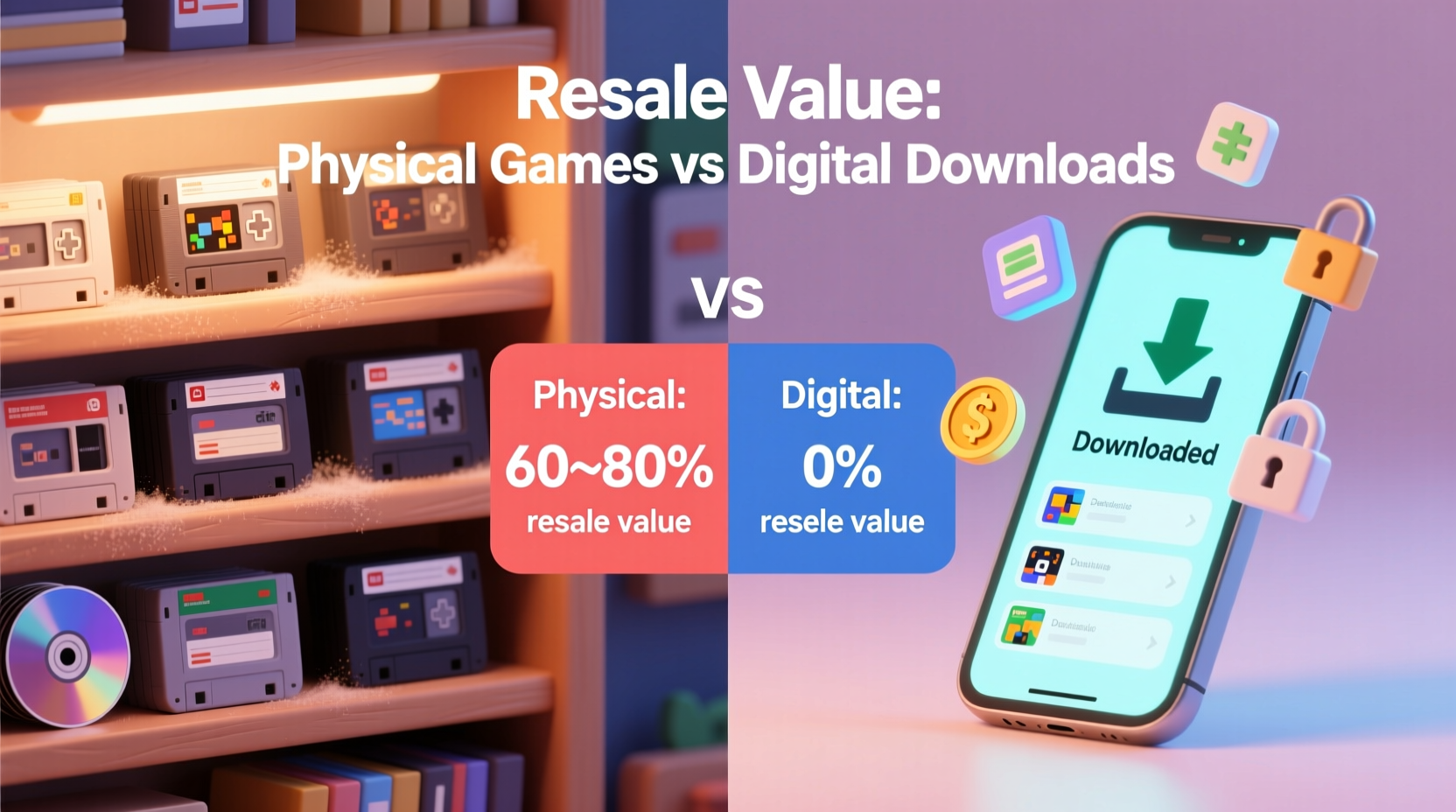
Unlike subscription-based media such as streaming services, video games are typically one-time purchases. However, not every game earns permanent shelf space. Many players finish a title within weeks and move on. That’s where resale becomes valuable—not just for decluttering, but for recovering part of the initial investment.
Resale value also reflects scarcity, demand, and longevity. A game with strong replayability, cult following, or limited release may appreciate over time. This is particularly true in niche markets like retro gaming or collector’s editions. Digital versions, by contrast, lack this potential entirely under current licensing models.
According to NPD Group analyst Mat Piscatella, “The secondary market for physical games remains robust, especially for first-party exclusives and highly rated franchises.” He notes that nearly 30% of console gamers in North America still purchase physical media, driven partly by trade-in incentives at retailers like GameStop.
How Physical Games Retain (or Gain) Value
Physical game discs or cartridges operate under traditional ownership principles. When you buy a copy, you own the disc—even if the license to play it is tied to your account or console. This distinction enables legal resale, lending, or collecting, all of which contribute to enduring value.
Certain conditions enhance a physical game’s resale potential:
- Rarity: Limited runs, special editions, or region-exclusive releases often become sought-after.
- Packaging: Sealed or mint-condition cases with inserts, maps, or art books command premium prices.
- Demand: Franchises like The Legend of Zelda, Dark Souls, or Metroid maintain consistent buyer interest.
- Discontinuation: Once a game goes out of print, supply dwindles while nostalgia-driven demand grows.
“Some sealed Nintendo Switch launch titles have tripled in value due to early production shortages and rapid adoption.” — James Carter, Retro Game Appraiser, GameWorthMore.com
A notable example is The Legend of Zelda: Breath of the Wild for the Nintendo Switch. Released in 2017, unopened copies now sell for over $150 on auction sites—a significant markup from the original $60 MSRP. Similarly, rare PlayStation 5 launch titles like Demon’s Souls regularly fetch $100+ in pristine condition.
The Reality of Digital Download Resale
Digital games, despite their convenience, come with a fundamental limitation: they cannot be resold. When you purchase a title from the PlayStation Store, Xbox Marketplace, or Nintendo eShop, you’re buying a license to use the software, not ownership of the product itself. This model, governed by End User License Agreements (EULAs), prohibits transfer, gifting outside platform tools, or monetization.
Even if a user deletes a game from their library, there's no mechanism to pass it along. The file remains tied to the original account forever—or until the platform decides to delist it. In fact, numerous digital-only titles have vanished from storefronts due to expiring music rights or licensing disputes, leaving buyers with inaccessible content.
While some platforms allow family sharing or account transfers during console swaps, none support open-market resale. As a result, digital purchases have zero residual financial value. You either keep playing them indefinitely or abandon them with no return.
Comparison Table: Physical vs Digital Resale Potential
| Factor | Physical Games | Digital Downloads |
|---|---|---|
| Ownership Rights | You own the disc/cartridge | Licensed use only |
| Can Be Sold? | Yes, through retailers or private sales | No official resale option |
| Market Liquidity | Active used markets (GameStop, eBay) | No secondary market exists |
| Potential Appreciation | Yes, especially rare/limited editions | None |
| Long-Term Access Risk | Low (as long as hardware works) | Moderate-High (delisting, server shutdowns) |
| Storage Requirements | Shelf space needed | Cloud or internal storage |
When Digital Might Still Make Sense
Despite the lack of resale value, digital downloads offer undeniable benefits that suit many lifestyles. Gamers who prioritize convenience, immediate access, and seamless updates often prefer digital formats. Additionally, frequent sales on platforms like Steam or PlayStation Plus Collections allow buyers to acquire games at steep discounts—sometimes making resale irrelevant because the initial cost was already low.
Digital libraries also integrate well with cloud saves and cross-device syncing. A player can start a game on their home console and continue progress on a handheld device without carrying discs. For families or households with multiple users, digital accounts simplify access management.
Moreover, physical media isn't immune to depreciation. Mass-produced titles with weak reviews or oversaturated supply—such as generic sports sequels or budget indie ports—often lose most of their value within months. A used copy of a mid-tier game might only trade in for $5, barely covering cleaning effort.
Real Example: Two Gamers, Two Approaches
Consider two friends: Alex and Jamie. Both bought Elden Ring at launch for $60.
Alex purchased the physical edition for PlayStation 5. After completing the game in three months, he traded it in at GameStop for $35 credit. He then used that toward God of War: Ragnarök. Effectively, his net cost for playing Elden Ring was $25.
Jamie bought the digital version during a weekend sale for $45. She saved $15 initially and enjoyed automatic patches and quick loading. However, after finishing the game, she had no way to recover any funds. Her total cost remained $45, with nothing to show for it financially.
Neither approach is wrong—but their financial outcomes differ significantly. Over five years, if both players cycle through 10 games annually, Alex could save upwards of $150–$200 in effective spending compared to Jamie, assuming consistent trade-in returns.
Smart Strategies to Maximize Resale Returns
If you're leaning toward physical media for its resale advantages, follow these best practices to protect and boost your returns:
- Buy New, Sell Early: Games depreciate fastest in the first 6–12 months. Selling within six months of release typically yields the highest return before deep discounting hits the used market.
- Maintain Condition: Use soft microfiber cloths to clean discs. Avoid labeling directly on the disc surface. Store cases upright away from sunlight and humidity.
- Track Market Trends: Use price-tracking tools like PriceCharting.com to monitor historical values and identify optimal sell times.
- Sell Complete Sets: Include all extras—art books, posters, DLC codes (if unused), and registration cards. Missing components slash resale prices.
- Choose Platforms Wisely: Consoles with stronger used-game ecosystems (e.g., PlayStation, Nintendo) tend to retain value better than others. Xbox has seen weaker trade-in rates historically due to aggressive digital migration.
Checklist: Preparing a Physical Game for Resale
- ✅ Wipe disc/cartridge gently with lint-free cloth
- ✅ Confirm case is free of cracks or broken latches
- ✅ Ensure manual, warranty card, and inserts are present
- ✅ Test gameplay briefly to verify functionality
- ✅ Remove any personal stickers or markings
- ✅ Research current market price using at least two sources
- ✅ Decide whether to trade in or sell privately (private usually nets more)
Future Outlook: Will Physical Media Disappear?
Console manufacturers are clearly shifting toward digital dominance. The PlayStation 5 Slim eliminated the disc drive in its base model unless paired with a costly add-on. Xbox Series S is digital-only. Even Nintendo, long a champion of cartridges, faces increasing pressure to reduce production costs.
However, physical media persists thanks to consumer demand, collector culture, and internet limitations in rural areas. In regions with poor broadband infrastructure, downloading a 100GB game is impractical. Meanwhile, younger generations are rediscovering the tactile joy of owning games—vinyl records’ resurgence offers a parallel trend.
Industry expert Sarah Kim, editor at GameEconomy Weekly, observes: “We’re seeing a bifurcation—casual players go fully digital, while enthusiasts and investors double down on physical. The collector segment is growing faster than overall market growth.”
This split suggests that physical games may evolve into premium, niche products rather than vanish entirely. Like Blu-ray special editions in film, they’ll cater to fans willing to pay more for ownership, packaging, and long-term value.
FAQ
Can I resell a digital game license legally?
No. All major platform EULAs prohibit transferring or selling digital licenses. Court rulings, including in the EU, have upheld that downloaded games are licensed, not sold, removing traditional resale rights.
Do all physical games hold value?
No. Only select titles appreciate. Most mass-market games lose 50–70% of value within a year. High-value games typically feature strong reviews, limited availability, or franchise significance.
Is it safe to buy used physical games?
Generally yes. Discs are durable, and modern consoles handle minor scratches. Always inspect for deep gouges or warping. Cartridges rarely fail unless exposed to moisture or static discharge.
Conclusion: Making the Right Choice for Your Lifestyle
The choice between physical games and digital downloads ultimately hinges on what you value most—convenience or financial flexibility. If you enjoy rotating your game library, live in an area with reliable resale outlets, or appreciate collecting, physical copies offer tangible long-term benefits. Their ability to be resold, gifted, or held as assets gives them a clear edge in resale value.
Digital downloads excel in accessibility and integration but function more like disposable entertainment. There’s no return on investment once you’re done playing. For bargain hunters or completionists who keep everything, digital may still be ideal.
Hybrid approaches work too: buy physical for AAA titles you might resell, and go digital for indies, demos, or seasonal games. Being intentional about format selection turns gaming from a pure expense into a manageable, even strategic, hobby.




 浙公网安备
33010002000092号
浙公网安备
33010002000092号 浙B2-20120091-4
Comments
No comments yet. Why don't you start the discussion?