
A keychain may seem like a small, insignificant accessory—something you toss into your pocket or purse without much thought. But for many, it’s one of the most frequently handled personal items. Its color, texture, and design can reflect personality, influence mood, and even affect how others perceive you. When it comes to choosing between a pink keychain and a red one, the decision might appear trivial at first glance. Yet, dig deeper, and you’ll find that color carries meaning far beyond aesthetics. From emotional resonance to cultural symbolism, the choice between pink and red is more nuanced than it appears.
The Psychology of Color in Everyday Objects
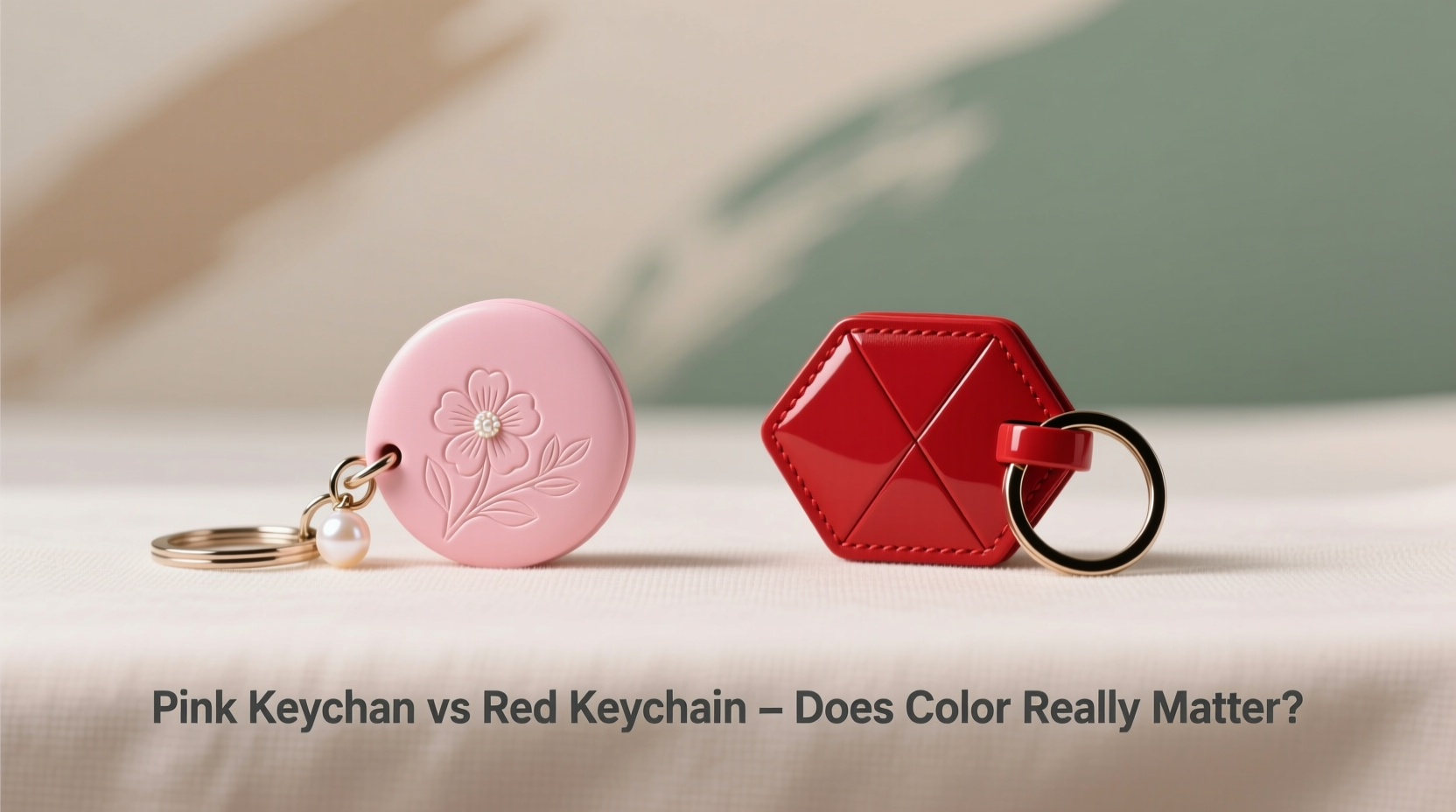
Color psychology examines how hues influence human behavior, emotions, and decision-making. While often applied to branding, interior design, and fashion, its principles extend to everyday accessories like keychains. Red and pink, though closely related on the color spectrum, evoke distinctly different responses.
Red is universally associated with energy, passion, urgency, and strength. It stimulates the senses, increases heart rate, and commands attention. Studies show that red can enhance physical vitality and assertiveness. In contrast, pink—especially soft or pastel shades—is linked with calmness, compassion, nurturing, and playfulness. It has a soothing effect and is often used in environments where relaxation is desired.
When applied to a personal object like a keychain, these psychological cues subtly shape interactions. A red keychain might project confidence or boldness, while a pink one could signal warmth or approachability. The color becomes part of your nonverbal communication—a tiny but consistent detail in how you present yourself.
“Even minor visual elements like accessory color can influence social perception and self-perception over time.” — Dr. Lila Monroe, Behavioral Psychologist
Cultural and Gendered Associations of Pink and Red
Historically, color meanings are not fixed—they evolve with culture and context. Pink was not always considered a “feminine” color. In early 20th-century America, pink was sometimes recommended for boys due to its association with strength (as a derivative of red), while blue was seen as dainty and suitable for girls. Over time, marketing and media cemented pink as a symbol of femininity and red as a signifier of power, romance, or danger.
Today, choosing a pink keychain may still carry gendered assumptions, especially in professional or conservative settings. Some people avoid pink to sidestep stereotypes about weakness or frivolity, despite the baseless nature of such associations. Conversely, embracing pink can be an act of defiance—reclaiming softness as strength.
Red, on the other hand, enjoys broader social acceptance across genders. It’s a common choice for luxury brands, sports teams, and emergency signals—all contexts tied to action and visibility. A red keychain is unlikely to raise eyebrows, making it a “safe” option in environments where conformity is valued.
Pink vs Red: Practical Considerations
Beyond symbolism, there are tangible differences between pink and red keychains worth considering. These include visibility, durability, staining potential, and compatibility with other belongings.
| Factor | Pink Keychain | Red Keychain |
|---|---|---|
| Visibility | High in dark environments; stands out against neutral tones | Very high; naturally attention-grabbing even in clutter |
| Fading Resistance | Lighter pinks may fade faster under UV exposure | Deeper reds generally resist fading better |
| Staining Risk | More likely to show dye transfer from jeans or bags | Less noticeable if dye runs from denim |
| Social Perception | Often seen as playful, friendly, or expressive | Perceived as bold, passionate, or energetic |
| Material Longevity | Same as red if material quality is equal | No inherent advantage unless pigment concentration differs |
While both colors perform similarly in terms of function, red tends to maintain its appearance longer, particularly in sunlight-exposed areas like car consoles or outdoor pockets. However, if you value individuality and emotional alignment over longevity, pink’s aesthetic appeal may outweigh minor maintenance concerns.
Mini Case Study: Choosing Confidence Over Conformity
Maya, a 32-year-old project manager, had always carried a black or silver keychain to match her minimalist style. After a period of burnout, she began reevaluating how her daily objects made her feel. She purchased a bright rose-pink keychain with a small enamel charm shaped like a sunflower. At first, she hesitated to use it, worried it looked “too cheerful” for her corporate environment. But within days, colleagues started commenting positively—some even asked where she got it.
More importantly, Maya noticed a shift in her own mindset. Reaching for her keys became a small moment of joy. The color reminded her of resilience and growth. Over time, she realized the keychain wasn’t just an accessory—it was a tactile affirmation. Her experience illustrates how a seemingly minor choice can have outsized emotional impact.
How to Choose Based on Personal Values
Selecting between pink and red isn’t about which color is objectively better—it’s about alignment with your identity, goals, and lifestyle. Here’s a step-by-step guide to help you decide:
- Reflect on your emotional needs. Are you seeking calm and comfort (pink) or motivation and energy (red)?
- Consider your environment. Will the keychain be used in a formal workplace, casual setting, or creative space?
- Evaluate existing accessories. Does the color complement your phone case, wallet, or bag?
- Assess durability priorities. If you leave your keys in direct sunlight or near abrasive materials, opt for a fade-resistant shade.
- Test temporary options. Use colored tape or a removable charm to simulate the look before committing.
FAQ
Does the color of a keychain affect how likely it is to be returned if lost?
Yes—distinctive colors increase recognition. A bright pink or bold red keychain is more memorable than a standard silver or black one, improving the chances someone will notice and return it. Adding a tag with contact information further boosts recovery odds.
Can color preferences change over time?
Absolutely. Life stages, emotional states, and evolving identities influence color attraction. Someone who preferred red in their twenties for its boldness might gravitate toward pink in their thirties for its calming effect. There’s no “right” color—only what resonates now.
Is one color more durable than the other?
Not inherently. Durability depends on material (silicone, metal, leather) and coating quality, not hue. However, darker reds may show less wear than light pinks over time, especially on fabric or rubber surfaces.
Final Checklist Before You Choose
- ✅ I’ve considered how this color makes me feel emotionally
- ✅ I’ve checked its visibility against my usual bag or pocket lining
- ✅ I’m aware of potential fading or staining risks
- ✅ The color aligns with my personal style, not just trends
- ✅ I’m okay with possible comments or assumptions from others
Conclusion
The debate between a pink keychain and a red one isn’t about functionality—it’s about meaning. Color matters because we assign it significance, whether consciously or subconsciously. A pink keychain can be a quiet rebellion, a gesture of self-kindness, or a celebration of softness in a sharp world. A red keychain can ignite confidence, signal readiness, or simply add a pop of vibrancy to an ordinary day. Neither is superior. What matters is intentionality.
Your keychain is more than a tool to hold keys—it’s a daily companion. Choosing its color with care transforms a mundane object into a personal emblem. Whether you reach for pink, red, or any shade in between, do so with purpose. Let your keys reflect not just where you’re going, but who you are.




 浙公网安备
33010002000092号
浙公网安备
33010002000092号 浙B2-20120091-4
Comments
No comments yet. Why don't you start the discussion?