
Pinkish brown discharge is a common occurrence for many individuals with a uterus, yet it often triggers concern due to its unusual color and timing. This type of discharge typically results from a small amount of blood mixing with cervical mucus, causing it to appear pink or brown rather than bright red. While it’s frequently harmless—especially around menstruation or ovulation—it can sometimes signal an underlying condition that requires medical attention. Understanding the context in which this discharge appears is key to determining whether it’s part of your body’s normal rhythm or a sign that you should consult a healthcare provider.
What Causes Pinkish Brown Discharge?
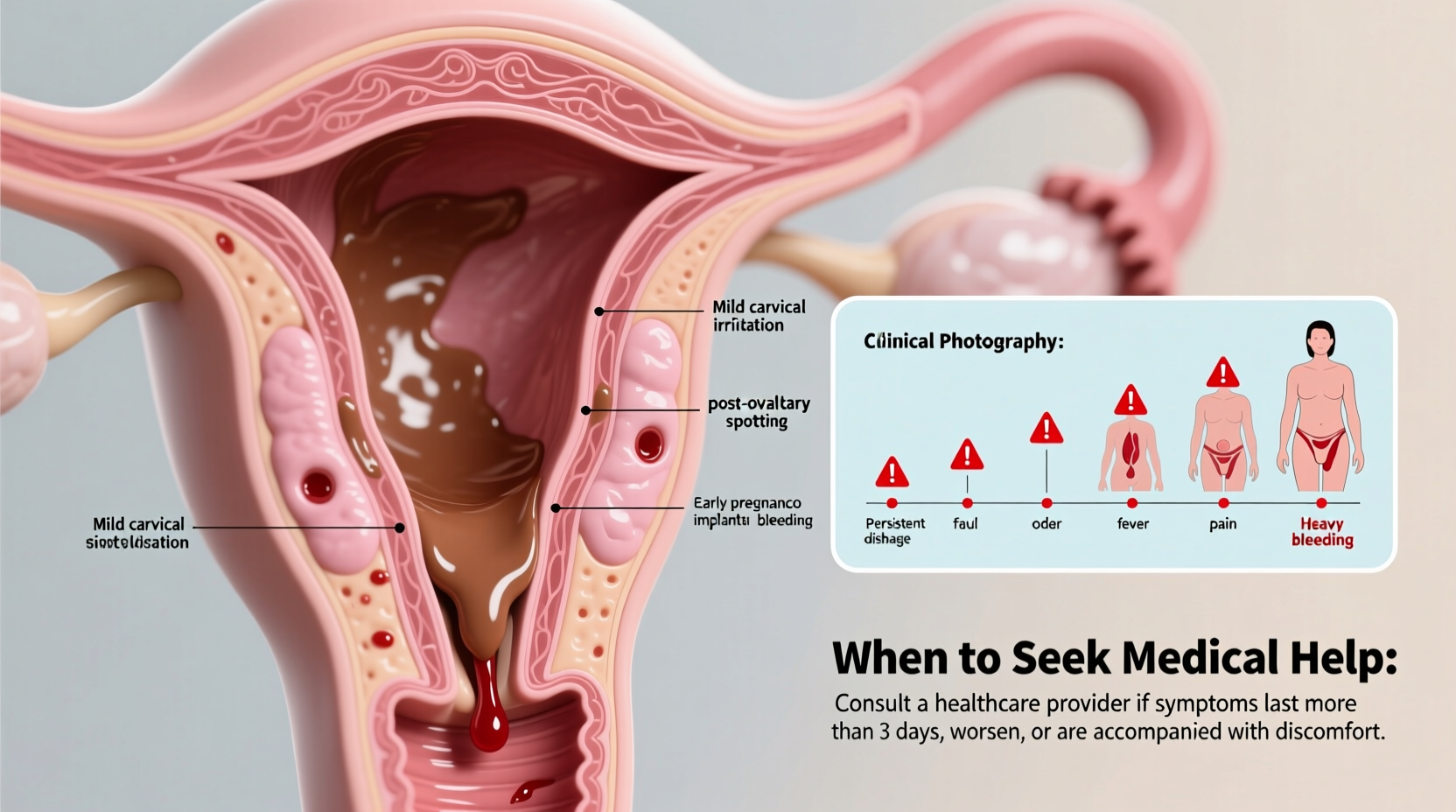
The appearance of pinkish brown discharge usually indicates old blood leaving the body. Unlike fresh menstrual blood, which is bright red, older blood oxidizes and turns brown as it exits the reproductive tract. When mixed with clear cervical fluid, it may take on a pinkish hue. Several physiological and medical factors contribute to this phenomenon.
- Menstrual cycle transitions: Light spotting before or after a period is common. As the uterine lining sheds slowly, blood may linger and darken before being expelled.
- Ovulation: Some people experience mid-cycle spotting due to a brief drop in estrogen or the release of an egg, which can irritate the follicle and cause minor bleeding.
- Implantation bleeding: Early pregnancy can begin with light pink or brown spotting when a fertilized egg attaches to the uterine wall, usually 6–12 days after conception.
- Hormonal fluctuations: Changes in birth control methods, starting or stopping hormonal contraceptives, or perimenopause can disrupt hormone balance and lead to irregular discharge.
- Cervical irritation: Sexual intercourse, gynecological exams, or even vigorous exercise can cause tiny abrasions in the cervix, resulting in slight bleeding.
When Is It Normal—and When Should You Be Concerned?
In many cases, pinkish brown discharge is entirely benign, especially if it occurs predictably during certain phases of your cycle and doesn’t come with other symptoms. However, certain red flags warrant medical evaluation.
“While occasional brown-tinged discharge is normal, persistent or symptomatic bleeding outside of menstruation should be assessed to rule out infections, polyps, or hormonal imbalances.” — Dr. Lena Patel, OB-GYN Specialist
Common Non-Worrisome Scenarios
- Spotting a few days before your period starts
- Light discharge after ovulation
- Brief pinkish tint after sex (without pain or heavy bleeding)
- Irregular discharge during the first few months of using a new birth control method
Situations That Require Medical Attention
- Discharge lasting more than 7 days without a period
- Foul odor, itching, or burning sensation
- Heavy bleeding following light spotting
- Pain in the pelvic region or during urination
- Discharge occurring post-menopause
- Missed period with ongoing spotting (possible early pregnancy complication)
Medical Conditions Linked to Abnormal Discharge
Although most instances are harmless, some underlying conditions can manifest through persistent or atypical pinkish brown discharge. These include:
| Condition | Symptoms | Diagnosis Method |
|---|---|---|
| Polycystic Ovary Syndrome (PCOS) | Irregular periods, acne, weight gain, insulin resistance | Blood tests, ultrasound |
| Uterine fibroids or polyps | Heavy periods, cramping, prolonged spotting | Ultrasound, hysteroscopy |
| Endometriosis | Severe menstrual pain, painful intercourse, infertility | Laparoscopy, imaging |
| Sexually transmitted infections (STIs) | Odorous discharge, burning, genital sores | Swab or urine testing |
| Cervical ectropion | Bleeding after sex, increased mucus | Physical exam |
For example, cervical ectropion—a benign condition where glandular cells from inside the cervical canal are present on the outer surface—is common in younger women and those on hormonal birth control. It can cause easy bleeding during or after intercourse, leading to pinkish brown discharge without infection.
Mini Case Study: Recognizing a Potential Pregnancy
Samantha, a 29-year-old teacher, noticed light pinkish brown spotting about a week before her expected period. She had recently stopped using the birth control pill and was tracking her cycles. The spotting lasted two days and was followed by a normal period. However, when her next period didn’t arrive and spotting returned, she took a home pregnancy test, which came back positive. Her doctor confirmed implantation bleeding as the likely cause of the initial discharge. This case illustrates how subtle changes in discharge can be early signs of pregnancy—especially when combined with cycle tracking and awareness.
Step-by-Step Guide: What to Do If You Notice Pinkish Brown Discharge
- Assess Timing: Note where you are in your cycle. Is it just before or after your period? Around ovulation?
- Check for Other Symptoms: Look for odor, pain, fever, or changes in urinary habits.
- Review Recent Activities: Did you have intercourse, a Pap smear, or start a new contraceptive?
- Take a Pregnancy Test (if applicable): Especially if your period is late or you’ve had unprotected sex.
- Monitor Duration: Keep track for 3–5 days. Does it resolve on its own?
- Consult a Healthcare Provider: If it persists beyond a week, worsens, or is accompanied by discomfort, schedule an appointment.
Checklist: When to Seek Medical Advice
- ☑ Discharge lasts longer than one week
- ☑ You experience pelvic or abdominal pain
- ☑ There’s a strong or unpleasant odor
- ☑ You’re postmenopausal and notice any bleeding
- ☑ You suspect pregnancy and have ongoing spotting
- ☑ You’ve been diagnosed with a reproductive condition previously
- ☑ You’re concerned despite mild symptoms
Frequently Asked Questions
Can stress cause pinkish brown discharge?
Yes. Chronic stress can disrupt your hypothalamic-pituitary-ovarian axis, affecting hormone production and potentially leading to irregular spotting. Managing stress through sleep, mindfulness, or therapy may help regulate your cycle over time.
Is it safe to have sex if I’m experiencing this discharge?
If the discharge is light, not associated with pain or infection, and you’re comfortable, intercourse is generally safe. However, if spotting follows every sexual encounter, it’s worth discussing with your doctor to rule out cervical sensitivity or structural issues.
Does birth control always cause spotting?
Not always, but it’s common during the first 3–6 months of starting hormonal contraception like pills, implants, or IUDs. Breakthrough bleeding usually resolves as your body adjusts. If it continues beyond that window, consult your provider about possible alternatives.
Conclusion: Listen to Your Body and Act Accordingly
Pinkish brown discharge is often a normal variation of the menstrual cycle, particularly tied to hormonal shifts, ovulation, or early pregnancy. But your body communicates through changes, and understanding what’s typical for you versus what might need attention is crucial. By tracking your cycle, recognizing accompanying symptoms, and knowing when to reach out to a healthcare professional, you maintain control over your reproductive health. Don’t dismiss persistent changes out of habit or hesitation—early evaluation can prevent complications and provide peace of mind.




 浙公网安备
33010002000092号
浙公网安备
33010002000092号 浙B2-20120091-4
Comments
No comments yet. Why don't you start the discussion?