
When it comes to finding creative ideas for do-it-yourself projects—whether you're building furniture, sewing custom garments, or crafting seasonal home decor—two platforms dominate the visual search landscape: Pinterest and Instagram. Both are rich with user-generated content and vibrant communities, but they serve different purposes and appeal to distinct types of creators. Understanding how each platform functions can help you decide where to invest your time when searching for reliable, step-by-step DIY tutorials.
The choice between Pinterest and Instagram isn’t just about personal preference—it’s about efficiency, depth of information, and long-term usability. One excels in structured discovery and preservation of knowledge; the other thrives on immediacy and social engagement. For DIY enthusiasts, that distinction can make the difference between completing a project successfully and abandoning it halfway through due to unclear instructions.
How Pinterest Excels at Organized Discovery
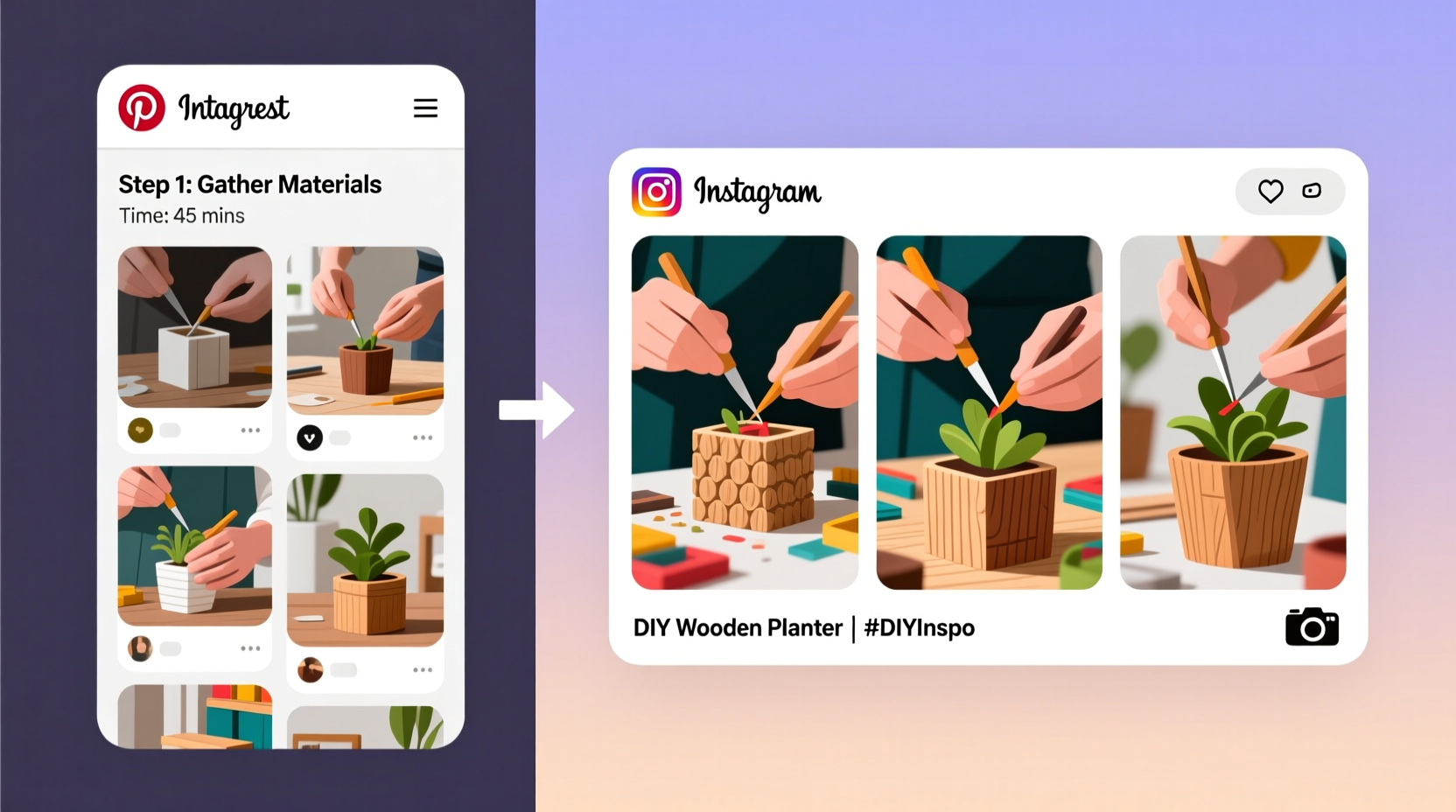
Pinterest operates more like a visual search engine than a traditional social network. Users \"pin\" images and videos to themed boards, creating curated collections that act as long-term repositories of inspiration. This structure makes Pinterest ideal for deep dives into niche topics such as upcycled crafts, woodworking plans, or no-sew clothing hacks.
Search functionality is one of Pinterest’s strongest assets. When you type “easy pallet wood coffee table” into the search bar, results are sorted by relevance, clarity, and instructional value—not just popularity. Many pins link directly to full blog posts containing materials lists, tools required, safety tips, and photo-heavy progress updates. The platform also surfaces related searches and suggests complementary ideas, helping users explore variations without starting over.
Another advantage is longevity. Unlike ephemeral social media content, pins remain discoverable for years. A 2018 post on homemade candle-making could still rank highly today if it's well-optimized and linked from multiple sources. This archival nature means proven methods stay accessible, reducing the risk of following outdated trends or unsafe practices.
Instagram’s Strength in Real-Time Engagement and Visual Storytelling
Instagram, by contrast, thrives on immediacy and interaction. Its core format—square images, Stories, Reels, and live videos—lends itself to dynamic, fast-paced content delivery. For DIY learners who benefit from watching someone perform a task in real time, Instagram offers an immersive experience.
Reels, in particular, have become a go-to format for bite-sized tutorials. A 30-second clip might show how to distress a wooden shelf using household items, complete with close-ups of sanding techniques and paint layering. These short-form videos emphasize visual clarity and often include text overlays explaining key steps. Because they autoplay in feeds, users frequently encounter useful tips even when not actively searching.
However, Instagram’s algorithm prioritizes new content, which means older—but potentially more comprehensive—tutorials may vanish from view unless saved manually. While users can bookmark posts or create collections, the system lacks Pinterest’s intuitive categorization. As a result, rediscovering a specific guide weeks later can be frustrating.
“Instagram lowers the barrier to entry for DIY educators. You don’t need a blog or SEO strategy—just a phone and clear visuals.” — Lena Torres, Craft Influencer & Educator
Comparative Analysis: Tutorial Depth and Usability
To understand which platform delivers better tutorials, consider several key factors: content depth, ease of navigation, accessibility, and reliability.
| Feature | ||
|---|---|---|
| Tutorial Length | Long-form articles, multi-step guides | Short videos (Reels), single-image tips |
| Search Accuracy | High – keyword-driven results | Moderate – relies on hashtags and captions |
| Content Longevity | Years – evergreen indexing | Days/weeks – algorithm decay |
| User Interaction | Limited – mostly one-way sharing | High – comments, DMs, likes, shares |
| Instructional Clarity | Detailed written steps + photos | Visual demonstration with minimal text |
| Offline Access | Easy – save pins for later | Harder – limited download options |
This comparison reveals a fundamental divide: Pinterest supports deliberate learning, while Instagram favors spontaneous inspiration. If you’re planning a weekend renovation and want to study different tile patterns, grouting methods, and sealant types, Pinterest provides the depth needed. But if you're looking for a quick fix—like how to repair a torn cushion cover using fabric glue—Instagram’s video demos offer faster comprehension.
A Step-by-Step Guide to Maximizing DIY Learning on Each Platform
To get the most out of either platform, follow this structured approach tailored to their unique strengths.
- Define Your Project Scope: Before searching, clarify whether you need conceptual ideas (e.g., “rustic bathroom decor”) or technical guidance (e.g., “how to install shiplap walls”).
- Start with Pinterest for Research: Search using precise terms. Filter results by “Guides” or “Articles” to prioritize detailed content. Save promising pins to a dedicated board titled with your project name.
- Verify Sources: Click through to original blogs or websites. Check publication dates, author credentials, and reader comments for accuracy warnings.
- Supplement with Instagram Videos: Search the same topic on Instagram using relevant hashtags (#diyhomeimprovement, #woodworkingtutorial). Watch Reels that demonstrate hands-on techniques.
- Engage for Clarification: Comment on Instagram posts asking specific questions (“What grit sandpaper did you use?”). Creators often respond, offering personalized advice.
- Create Your Own Reference Library: Export Pinterest boards as PDFs or take screenshots of key Instagram clips. Store them in a folder labeled by project type for offline access during work sessions.
Real Example: Building a Floating Shelf – Two Paths, One Outcome
Samantha, a first-time DIYer, wanted to build a floating shelf for her living room. She began her research on Instagram, scrolling through Reels tagged #diyshelves. One 45-second video showed a creator measuring wood, attaching brackets, and finishing with stain—all set to upbeat music. It looked simple, but critical details were missing: What kind of wood? How much weight could it hold?
Frustrated, she switched to Pinterest and searched “DIY floating shelf tutorial with bracket support.” Within seconds, she found a blog post with exploded diagrams, a cut list, hardware recommendations, and a warning about stud placement. The article included common mistakes and alternatives for drywall anchors. Armed with this information, Samantha returned to Instagram to watch supplementary technique videos—this time knowing exactly what to look for.
She completed the project safely and confidently, crediting both platforms: Pinterest for foundational knowledge, Instagram for execution clarity.
Checklist: Choosing the Right Platform for Your DIY Needs
- ✅ Need detailed, printable instructions? → Pinterest
- ✅ Looking for quick visual demonstrations? → Instagram
- ✅ Planning a complex, multi-step build? → Pinterest first, then Instagram
- ✅ Want to ask questions or interact with creators? → Instagram
- ✅ Seeking timeless, verified methods over trendy hacks? → Pinterest
- ✅ Interested in seeing real-time transformations? → Instagram Reels/Stories
- ✅ Building a personal idea archive? → Pinterest boards
Expert Insight: Why Hybrid Learning Wins
Top craft educators increasingly recommend combining both platforms. According to Marcus Lee, a woodworking instructor with over 200 online tutorials, “The best DIY learners don’t pick sides—they use Pinterest like a library and Instagram like a workshop.”
“The future of DIY education is hybrid. Pinterest gives you the blueprint; Instagram shows you the motion.” — Marcus Lee, Founder of CraftPath Tutorials
This dual-platform strategy allows users to benefit from the rigor of documented processes and the realism of human demonstration. It also mitigates the weaknesses of each: Instagram’s lack of context and Pinterest’s occasional overreliance on stock imagery rather than authentic works-in-progress.
Frequently Asked Questions
Can I trust DIY tutorials found on either platform?
Not all tutorials are equally reliable. Always verify safety claims, especially for electrical, structural, or chemical projects. Prioritize content linked to established blogs, certified instructors, or verified accounts. Look for disclaimers, material specifications, and evidence of real-world testing.
Is one platform better for beginners?
Pinterest tends to be more beginner-friendly due to its structured format and abundance of introductory guides. However, Instagram’s visual pacing can help novices grasp spatial concepts faster. Beginners benefit most from using both: learn the theory on Pinterest, then watch the action on Instagram.
Do I need an account to access tutorials?
You can browse many Pinterest pins and Instagram posts without logging in, but full functionality requires accounts. Saving content, commenting, and accessing full articles often depend on sign-in. Consider creating lightweight profiles focused solely on DIY interests to streamline your experience.
Final Thoughts: Match the Tool to the Task
Declaring a single winner between Pinterest and Instagram oversimplifies a nuanced reality. Each platform serves a distinct role in the modern DIY ecosystem. Pinterest acts as a digital encyclopedia—organized, enduring, and deeply informative. Instagram functions as a live classroom—dynamic, interactive, and visually immediate.
The most effective DIYers treat them as complementary tools rather than competitors. They begin with Pinterest to map out their project’s scope, gather materials, and understand best practices. Then, they turn to Instagram to observe skilled makers in action, troubleshoot issues, and stay motivated through community feedback.




 浙公网安备
33010002000092号
浙公网安备
33010002000092号 浙B2-20120091-4
Comments
No comments yet. Why don't you start the discussion?