
For years, iPhone users have been considered a loyal, almost untouchable segment of the smartphone market. The seamless integration between devices, consistent software updates, and brand trust have kept many from even considering Android. But with the launch of the Google Pixel 7 Pro, something has shifted. Tech forums, social media, and Reddit threads are now filled with stories of long-time iPhone owners switching — not just dabbling, but fully committing to Android through the Pixel 7 Pro. Is this device truly capable of winning over Apple devotees? More importantly, does it deliver on the promise of being better in key areas like camera quality, AI features, software intelligence, and value?
Why iPhone Users Are Looking Elsewhere
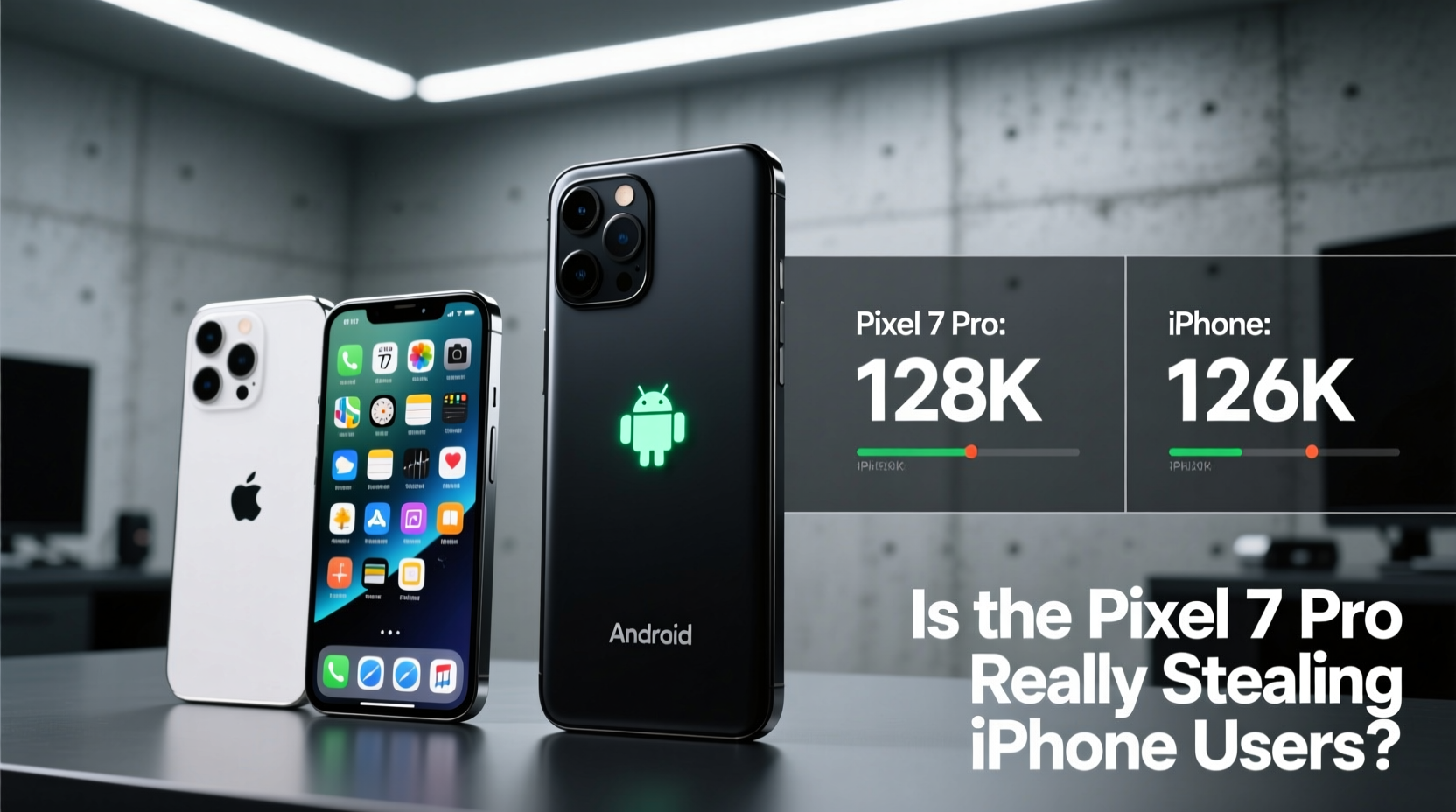
The iPhone’s dominance has never been solely about specs. It's rooted in ecosystem lock-in: AirPods, MacBooks, iCloud, Apple Watch, and Messages all work together flawlessly. However, cracks are beginning to show. Many users cite stagnation in innovation, incremental hardware upgrades, high repair costs, and a lack of meaningful new features as reasons for exploring alternatives.
Google has capitalized on this fatigue. The Pixel 7 Pro isn’t positioned as just another Android phone — it’s marketed as a smarter, more intuitive alternative. With exclusive access to Google’s latest AI advancements, real-time call screening, Magic Eraser in photos, and guaranteed seven years of OS and security updates, the Pixel 7 Pro offers tangible benefits that differentiate it from both other Android phones and iPhones.
“After a decade with Apple, I switched because the Pixel 7 Pro actually feels like the future. The camera sees things my iPhone missed, and the software adapts to me — not the other way around.” — Daniel R., former iPhone user and tech reviewer at MobileEdge Weekly
Camera Showdown: Computational Photography vs. Natural Color Science
No feature draws comparisons more than the camera. Apple has long prided itself on natural color reproduction and cinematic video stabilization. The Pixel 7 Pro takes a different approach: leveraging machine learning to enhance images after capture.
In daylight, both devices produce stunning results. The iPhone edges ahead in skin tone accuracy and dynamic range consistency. But in low light, backlit scenes, or complex compositions, the Pixel often delivers superior detail thanks to its HDR+ processing and Night Sight mode. Features like Face Unblur and Magic Eraser allow users to fix common photo issues post-capture — something no iPhone can do natively.
Real-World Example: Portrait Mode Performance
Sophia M., a freelance photographer who used an iPhone 13 Pro for five years, tested both phones during a wedding shoot. While the iPhone produced reliable portraits with creamy bokeh, she noticed the Pixel handled hair edges and fast movement far better. “The Pixel didn’t just blur the background — it understood depth layers,” she said. “I had fewer retakes.”
Software Intelligence: Where Pixel Stands Apart
The core appeal of the Pixel 7 Pro lies in its software intelligence. Unlike stock Android skins bloated with bloatware, Pixel ships with a clean, responsive version of Android that integrates deeply with Google services.
- Live Translate: Translates spoken conversations in real time without internet.
- Call Screen: Lets Google Assistant answer spam calls and transcribe them live.
- Hold for Me: Keeps you on hold during customer service calls while notifying you when a human answers.
- Now Playing: Automatically identifies music playing nearby — even in noisy environments.
These aren’t gimmicks; they solve actual pain points. For professionals juggling international clients or parents tired of robocalls, these tools offer measurable daily value. Apple lacks equivalents, relying instead on third-party apps or manual processes.
Seven Years of Updates: A Game-Changer
One of the most compelling arguments for switching is Google’s commitment to seven years of OS and security updates — matching Apple’s support window for iPhones. This longevity increases resale value and reduces e-waste, appealing to environmentally conscious consumers.
| Feature | Pixel 7 Pro | iPhone 14 Pro |
|---|---|---|
| OS Update Guarantee | 7 years (until 2030) | ~6–7 years (estimated) |
| Security Updates | 7 years | Ongoing, but not formally guaranteed |
| AI-Powered Call Screening | Yes | No |
| On-Device Translation | Yes (offline) | Limited via Translate app |
Bridging the Ecosystem Gap
Switching from iPhone to any Android device involves breaking habits and reconfiguring workflows. But Google has made strides to ease the transition.
The “Move to Android” app syncs messages, photos, contacts, calendars, and even iMessage history (as SMS) directly from iPhone to Pixel. Wi-Fi passwords, app preferences, and Google account data transfer seamlessly. For users already embedded in Google’s ecosystem — Gmail, Drive, YouTube, Chrome — the shift feels natural.
However, some trade-offs remain:
- iMessage disappears; RCS (Rich Communication Services) is improving but not universally adopted.
- Handoff between Mac and Pixel is limited compared to iPhone-Mac continuity.
- AirDrop has no true equivalent, though Nearby Share works across platforms.
Step-by-Step Guide: Switching from iPhone to Pixel 7 Pro
- Prepare your iPhone: Back up to iCloud and ensure Bluetooth and Wi-Fi are on.
- Download “Move to Android” from the App Store on your iPhone.
- Start setup on your Pixel 7 Pro and select “Copy apps & data” > “From iOS device.”
- Pair devices via QR code shown on the Pixel screen.
- Select data to transfer: Messages, contacts, calendar, photos, videos.
- Complete setup and sign in to your Google account.
- Install essential apps: WhatsApp, banking, streaming services.
- Enable Pixel-exclusive features: Call Screen, Live Translate, Now Playing.
FAQ: Common Questions from Switchers
Will my AirPods work with the Pixel 7 Pro?
Yes, AirPods pair easily via Bluetooth and function well for audio playback and calls. However, you’ll lose features like automatic switching, spatial audio with head tracking, and battery pop-up animations.
Can I get iMessages on Android?
No. iMessage is exclusive to Apple devices. Once you switch, incoming iMessages won’t be delivered unless you deregister your number via Apple’s website before moving.
Is the build quality as premium as the iPhone?
The Pixel 7 Pro uses recycled aluminum and Gorilla Glass Victus, offering durability comparable to the iPhone 14 Pro. The design is more understated, with a noticeable camera bar, but materials feel solid and high-end.
Final Verdict: Can It Really Steal iPhone Users?
The Pixel 7 Pro isn’t trying to mimic the iPhone. Instead, it offers a different philosophy: intelligence-first, privacy-conscious, and deeply integrated with the world’s most powerful search and AI engine. For users who prioritize innovation over tradition, the answer is clear — yes, it’s that good.
It wins in computational photography, proactive assistance, update longevity, and value (starting at $899, $100 less than the iPhone 14 Pro). While it doesn’t match Apple’s ecosystem cohesion, it compensates with unique tools that anticipate needs rather than react to them.
If you’ve been curious about switching but hesitant due to perceived complexity or loyalty, the Pixel 7 Pro represents the most compelling entry point yet. It doesn’t just compete with the iPhone — in several ways, it surpasses it.




 浙公网安备
33010002000092号
浙公网安备
33010002000092号 浙B2-20120091-4
Comments
No comments yet. Why don't you start the discussion?