
When building a timeless wardrobe, few pieces are as versatile—or as debated—as the tailored blazer. Among the most common choices in textured suiting are plaid and herringbone patterns. At first glance, they may seem like subtle variations on a theme: both are woven, both are classic, and both come in wool or wool-blend fabrics. But dig deeper, and the differences become more than aesthetic—they affect wearability, formality, and even psychological perception. So, does the pattern actually matter, or is it just fashion hype? The answer lies somewhere between tradition, function, and personal branding.
The Anatomy of Pattern: What Defines Plaid and Herringbone?
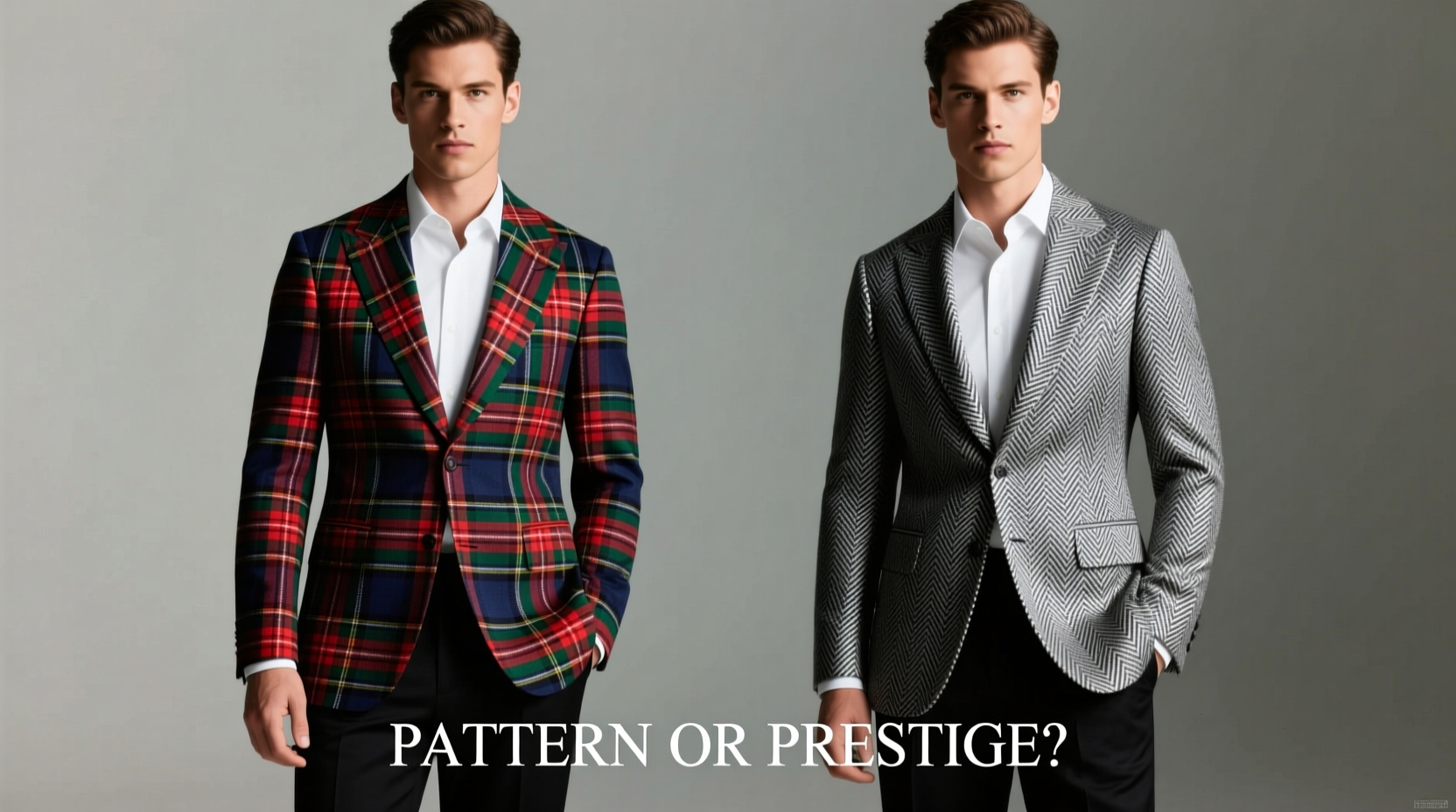
Before comparing their impact, it's essential to understand what each pattern truly is.
Herringbone is a variation of twill weave characterized by a broken zigzag pattern that resembles the skeleton of a herring fish—hence the name. It’s typically subtle, often appearing almost solid from a distance but revealing texture up close. Herringbone is usually monochromatic or tonal, using variations of the same color family (e.g., charcoal with hints of navy).
Plaid, in contrast, refers to a crisscross pattern of horizontal and vertical bands in multiple colors. While commonly associated with casual flannel shirts, plaid blazers exist in refined forms—tartan, windowpane, and glen plaid (also known as Prince of Wales check). These range from bold and colorful to muted and sophisticated, depending on scale and palette.
The structural difference matters: herringbone adds depth without drawing attention, while plaid commands it. This distinction influences where and how each should be worn.
Formality and Function: Where Each Pattern Fits Best
Not all blazers are created equal when it comes to context. The pattern plays a critical role in determining appropriateness across settings.
| Pattern | Formality Level | Best Occasions | Potential Missteps |
|---|---|---|---|
| Herringbone | Semi-formal to formal | Business meetings, weddings, interviews, evening events | Pairing with overly loud accessories; wearing in tropical climates |
| Plaid (Subtle) | Casual to semi-formal | Cocktail parties, creative workplaces, weekend brunches | Wearing full plaid suit in conservative environments |
| Plaid (Bold) | Casual only | Fashion-forward events, photo shoots, social gatherings | Trying to appear authoritative or understated |
Herringbone blazers are inherently more versatile due to their restrained elegance. A well-cut herringbone in navy or gray can transition seamlessly from office to dinner. Plaid blazers, especially those with wide checks or bright hues, make a statement—and statements aren’t always welcome in traditional settings.
Psychological Impact: How Patterns Influence Perception
Clothing doesn’t just cover the body—it communicates identity. Research in fashion psychology suggests that patterned clothing increases perceived creativity and approachability but can reduce perceptions of authority.
“Patterns signal confidence and individuality, but they also invite scrutiny. A herringbone blazer says, ‘I’m competent and detail-oriented.’ A bold plaid says, ‘Notice me.’ Depending on your goals, one may serve you better than the other.” — Dr. Lena Torres, Behavioral Fashion Psychologist
In corporate law or finance, where credibility is paramount, herringbone aligns better with expectations. In creative industries—design, media, tech startups—a carefully chosen plaid blazer can reinforce originality and break monotony without sacrificing professionalism.
The key is intentionality. Wearing a red-and-black tartan blazer to a board meeting isn't a power move—it's a distraction. But wearing a micro-windowpane plaid to a gallery opening signals cultural fluency.
Real-World Case: Two Professionals, Two Patterns, One Industry
Consider two marketing executives in their mid-30s: James and Amir. Both work at the same agency, manage similar teams, and have comparable experience. Yet their sartorial choices set different tones.
James wears a charcoal herringbone blazer nearly every client day. Clients describe him as “reliable,” “polished,” and “easy to trust.” His pattern choice supports his brand: stable, experienced, no-nonsense.
Amir favors a navy glen plaid blazer with a subtle overcheck. He’s seen as “innovative,” “energetic,” and “a bit unpredictable.” His clients love his ideas—but sometimes question his seriousness during budget talks.
Neither is wrong. But their patterns amplify different aspects of their professional personas. Over time, these small cues shape opportunities. James gets assigned to long-term strategy roles; Amir leads pitch teams for new campaigns.
This isn’t about skill—it’s about signaling. And pattern plays a quiet but powerful role in that process.
Choosing the Right Pattern: A Practical Checklist
Before investing in a new blazer, consider these factors to ensure your pattern works for you, not against you.
- Evaluate your environment: Is your workplace traditional or creative?
- Assess your existing wardrobe: Can the blazer pair with at least three other items?
- Test visibility: Does the pattern dominate, or does it blend?
- Consider climate: Busy patterns show lint and dust more easily in dry or urban areas.
- Think long-term: Will this look dated in five years?
- Ask for feedback: Show it to someone whose taste you respect.
Building a Balanced Blazer Rotation
A mature wardrobe doesn’t rely on one hero piece. Instead, it balances statement items with silent workhorses.
- Start with herringbone: Choose a mid-gray or navy version in 100% wool. This is your foundation.
- Add a subtle plaid: Opt for a glen plaid or small windowpane in cooler tones. Use it for networking or creative meetings.
- Limit bold patterns: Reserve large tartans or colored plaids for weekends or seasonal flair.
- Rotate seasonally: Herringbone excels in fall and winter; lighter plaid cotton or linen blends work in spring.
- Match texture to tailoring: Pair rougher weaves like herringbone with structured shoulders; softer plaids suit relaxed cuts.
FAQ: Common Questions About Blazer Patterns
Can I wear a plaid blazer to a job interview?
It depends on the industry. In creative fields like advertising or fashion, a subtle plaid can demonstrate personality. In law, banking, or government, stick to solid or herringbone patterns to project neutrality and competence.
Is herringbone considered boring?
Only if poorly styled. Herringbone’s strength is its sophistication through subtlety. Pair it with a textured tie or pocket square to add interest without losing refinement.
Do plaid blazers go out of style faster?
Bolder plaids do. Trends in color and scale shift quickly. However, classic glen plaids and muted windowpanes have remained relevant for decades. Invest in timeless versions, not seasonal fads.
Conclusion: Pattern Matters—But Only When Aligned With Purpose
The debate over plaid versus herringbone isn’t about which is objectively better—it’s about alignment. Herringbone offers quiet authority and enduring versatility. Plaid offers character and differentiation. Neither is hype, but neither is universally appropriate.
The most effective wardrobes are curated, not collected. A single well-chosen herringbone blazer can serve you for decades across countless scenarios. A thoughtfully selected plaid blazer can elevate your presence when standing out is the goal. The pattern itself isn’t the message—the context is.
So next time you’re choosing between them, don’t ask, “Which looks better?” Ask, “What do I want to communicate?” That’s when the pattern stops being decoration and starts being strategy.




 浙公网安备
33010002000092号
浙公网安备
33010002000092号 浙B2-20120091-4
Comments
No comments yet. Why don't you start the discussion?