
Choosing a collar for your cat often feels like a fashion decision. Should it be plaid, polka-dotted, or a sleek solid color? While aesthetics play a role for pet owners, the real question is whether these patterns have any meaningful impact on your cat’s well-being, behavior, or safety. The short answer: not directly. But indirectly, the choice between plaid and solid cat collars can influence visibility, functionality, and even how quickly you notice wear and tear. Understanding these nuances helps ensure that style never compromises safety or comfort.
Safety First: Material and Fit Trump Pattern
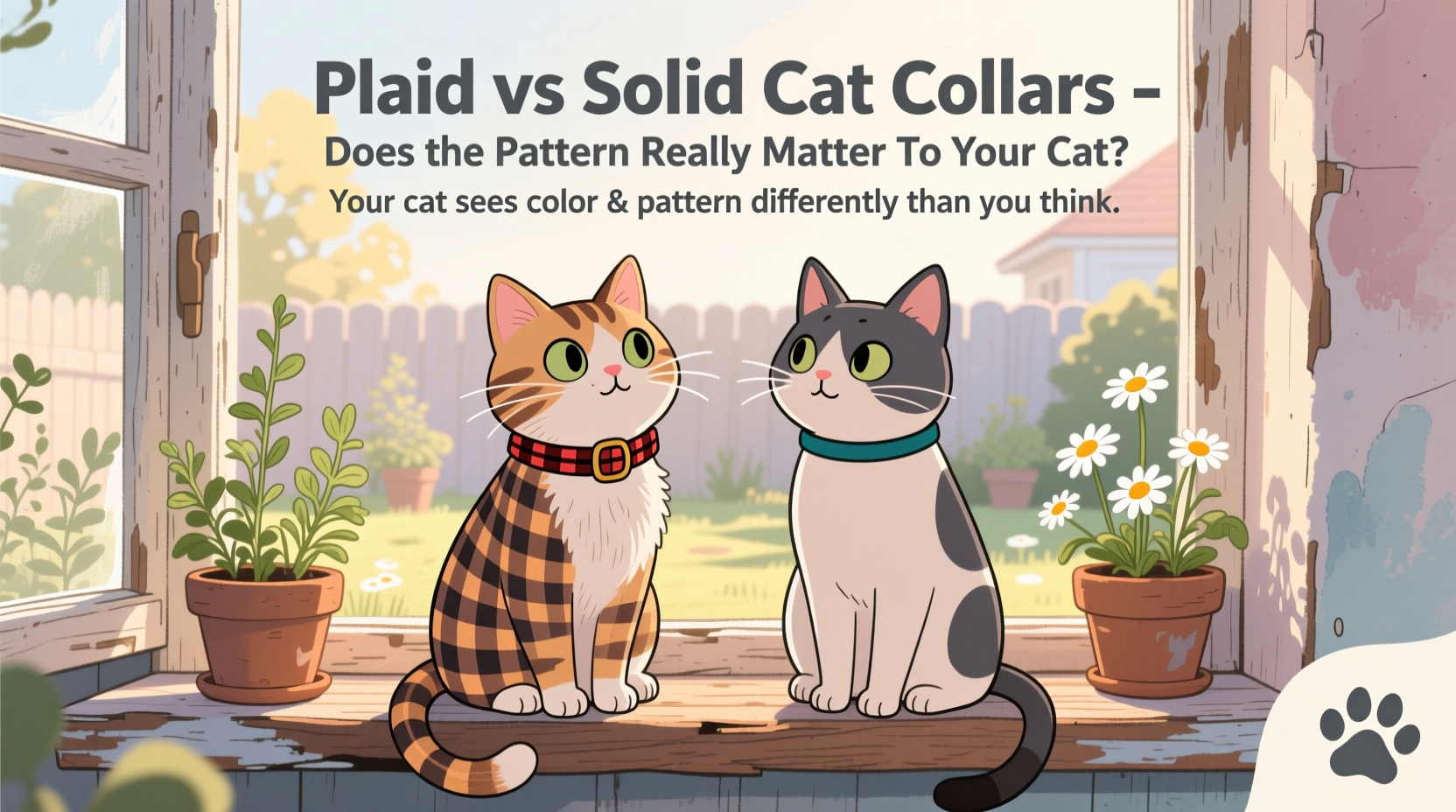
The most critical aspects of a cat collar are its fit, breakaway design, and material quality—not the pattern. A collar should fit snugly but allow two fingers to slide comfortably beneath it. Too tight risks irritation; too loose increases the chance of snagging on branches or furniture. Regardless of whether it's plaid or solid, every outdoor or semi-outdoor cat should wear a breakaway collar. These are engineered to release under pressure, preventing choking if the collar catches on an object.
According to Dr. Linda Wilson, a veterinarian specializing in feline behavior, “The pattern on a collar doesn’t affect a cat’s physical health, but poor materials or improper fit absolutely do. I’ve seen more injuries from stiff, non-breakaway collars than from any fabric choice.”
“Pattern is personal preference. Safety features are non-negotiable.” — Dr. Linda Wilson, DVM, Feline Behavior Consultant
Visibility and Identification: Why Pattern Can Matter Indirectly
While cats don’t care about plaid versus solid colors, humans—and other animals—do. High-contrast patterns like plaid can enhance visibility, especially in low-light conditions such as dawn or dusk. This can be particularly useful for cats who spend time outdoors or near roads. Solid black collars may blend into shadows, while bright plaid designs with white or yellow threads increase conspicuity.
Additionally, patterns can make it easier for you to detect dirt, fraying, or damage. A stained white stripe on a plaid collar is more noticeable than a subtle grime buildup on a dark solid one. Early detection means timely replacement, reducing the risk of failure during a critical moment.
Comfort and Sensory Considerations
Cats are sensitive to touch and texture, not visual patterns. However, the fabric used in printed collars (like plaid) may differ slightly from solid-colored ones due to dyeing processes or additional layers for print durability. Some lower-quality printed fabrics can feel stiffer or rougher, potentially causing skin irritation over time.
Solid-color collars are often made from single-dye batches, which may result in softer, more consistent textures. That said, many premium brands use the same high-grade nylon or polyester for both patterned and solid options, so differences are minimal when quality is prioritized.
Observe your cat’s behavior after introducing a new collar. Signs of discomfort include excessive scratching at the neck, avoiding being touched near the collar, or attempting to remove it. If any of these occur, consider switching to a different material—even if the pattern is appealing.
Comparison: Plaid vs Solid Cat Collars
| Feature | Plaid Collars | Solid Collars |
|---|---|---|
| Visibility | Often higher due to contrasting colors and patterns | Depends on color; dark solids may be less visible |
| Durability | Same as solid if quality fabric is used | Slight edge in consistency due to simpler dyes |
| Stain Detection | Easier to spot dirt and wear | May hide stains until heavily soiled |
| Aesthetic Appeal | Perceived as playful or rustic | Classic, minimalist, matches more accessories |
| Skin Sensitivity Risk | Potentially higher if print adds stiffness | Generally lower with uniform texture |
Real-Life Example: Bella the Escape Artist
Bella, a 3-year-old tabby from Portland, had a habit of slipping out through the back door. Her owner, Mark, initially chose a stylish black solid collar because he liked its sleek look. After two weeks, he noticed fraying near the buckle—but only because Bella got caught on the screen door and triggered the breakaway mechanism.
Reflecting on the incident, Mark realized he hadn’t noticed the gradual wear because the dark fabric hid the damage. He switched to a red-and-white plaid collar with reflective threading. Within days, he spotted mud stains and minor fraying after a rainy night. He replaced it promptly, and Bella remained safe during her next brief adventure into the garden.
In this case, the plaid pattern didn’t protect Bella—but it did enable earlier maintenance, indirectly improving safety.
Actionable Checklist: Choosing the Right Collar for Your Cat
Regardless of pattern, follow this checklist to ensure your cat’s collar is functional and safe:
- ✅ Confirm it has a certified breakaway clasp
- ✅ Measure your cat’s neck and allow room for two fingers
- ✅ Check for soft, flexible material without sharp edges
- ✅ Look for reflective elements if your cat goes outside
- ✅ Attach a lightweight ID tag with your contact info
- ✅ Inspect weekly for signs of wear, stretching, or damage
- ✅ Replace every 6–12 months, or sooner if damaged
Frequently Asked Questions
Do cats react differently to plaid versus solid collars?
No scientific evidence suggests cats perceive or respond to collar patterns. Their reactions depend on fit, texture, and how the collar feels when they move, not its appearance.
Are plaid collars harder to clean?
Not inherently. Most cat collars are wipe-clean only. However, some printed fabrics may fade faster when exposed to sunlight or moisture. Always follow manufacturer cleaning instructions regardless of pattern.
Should I avoid certain colors or patterns?
Avoid extremely dark collars if your cat spends time outdoors at night. Opt for lighter tones or those with reflective details. Otherwise, color and pattern are largely stylistic choices.
Step-by-Step Guide to Introducing a New Collar
Whether plaid or solid, introducing a collar gradually improves acceptance:
- Let your cat sniff the collar first. Place it near their bed or feeding area for a few hours.
- Attach it for short intervals (5–10 minutes) while supervising. Offer treats to create positive association.
- Gradually increase wear time over 3–5 days, checking for redness or irritation.
- Monitor behavior for signs of distress, such as hiding, excessive grooming, or vocalizing.
- Once acclimated, allow full-time wear but continue weekly inspections.
If your cat resists wearing any collar, consider a silicone microchip tag that attaches to their existing gear—or consult your vet about alternatives.
Final Thoughts: Style Meets Responsibility
The debate between plaid and solid cat collars ultimately comes down to human preferences and practical considerations, not feline opinion. Cats don’t care if their collar looks like a lumberjack shirt or a minimalist band. What matters is that the collar is safe, comfortable, and functional.
That said, choosing a high-visibility plaid design might help you spot problems sooner. A solid navy collar might match your home decor better but could hide dirt until it’s too late. The best approach combines thoughtful aesthetics with vigilant care.




 浙公网安备
33010002000092号
浙公网安备
33010002000092号 浙B2-20120091-4
Comments
No comments yet. Why don't you start the discussion?