
In recent years, plant-based sausage alternatives have moved from niche health food stores to mainstream grocery aisles and restaurant menus. Driven by growing interest in sustainable eating, animal welfare, and personal health, consumers are increasingly turning to meat-free options that deliver the taste, texture, and versatility of traditional pork, chicken, or beef sausages—without the environmental or ethical costs. But what exactly are these products made of? How do they mimic the rich umami, savory fat, and satisfying chew of real sausage? And how can home cooks use them effectively in everyday meals? This comprehensive guide breaks down the science, ingredients, culinary applications, and practical considerations behind plant-based sausages, offering clarity for curious eaters and actionable insights for kitchen experimentation.
Definition & Overview
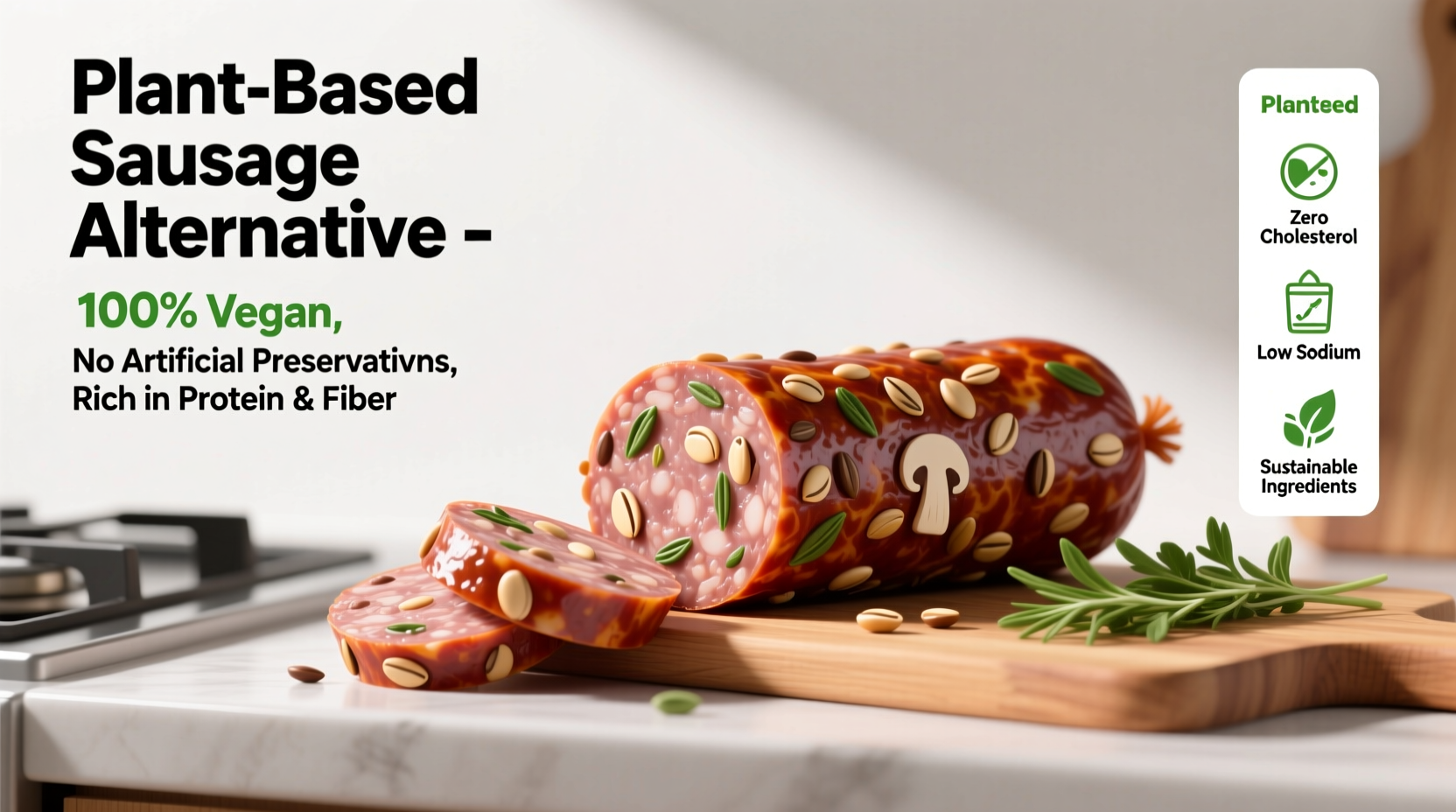
A plant-based sausage alternative is a meat-free product designed to replicate the sensory experience of traditional sausages using entirely non-animal ingredients. These alternatives aim to mirror the flavor, aroma, mouthfeel, cooking behavior, and even visual appearance of conventional sausages such as Italian, bratwurst, chorizo, or breakfast links. Unlike simple vegetarian sausages made primarily from grains and legumes, modern plant-based versions employ advanced food science techniques—including protein isolation, fat encapsulation, and fermentation—to achieve a more authentic meat-like performance.
These products fall under the broader category of meat analogs or meat substitutes, but distinguish themselves through targeted formulation for specific culinary roles. For example, a plant-based breakfast sausage should brown well in a skillet, release savory juices, and crumble slightly when scrambled into hash. A Mediterranean-style plant chorizo must render oil during cooking and carry bold smoked paprika and garlic notes. The goal isn’t just substitution—it’s culinary equivalence.
Most commercially available plant-based sausages are formulated around one or more plant proteins, including soy, pea, wheat gluten (seitan), fava bean, or mycoprotein (derived from fungi). These are combined with natural flavors, vegetable oils (often coconut or sunflower), binders like methylcellulose or potato starch, and coloring agents such as beet juice or annatto to simulate fat marbling and cooked browning.
Key Characteristics
The success of a plant-based sausage hinges on how closely it matches key attributes of its animal-based counterpart. Below is a breakdown of essential characteristics:
| Characteristic | Description |
|---|---|
| Flavor Profile | Savory, umami-rich base with added spices tailored to type (e.g., sage and thyme for breakfast; fennel and garlic for Italian). Often enhanced with yeast extract, mushroom powder, or fermented sauces to deepen complexity. |
| Aroma | Develops roasted, slightly smoky scent when cooked. Some brands use natural smoke flavoring or liquid smoke to enhance authenticity. |
| Texture | Designed to be firm yet yielding, with a slight springiness and ability to sear and brown. High-moisture extrusion technology helps create fibrous structure resembling muscle tissue. |
| Fat Content | Typically contains 8–14g of fat per serving, mostly from plant oils. Coconut oil is commonly used for its solid state at room temperature, mimicking animal fat melt. |
| Color | Raw form often pale beige or grayish; develops golden-brown crust when pan-seared. Some include beet juice or caramel color to simulate pink cured meat tones. |
| Cooking Behavior | Sizzles in the pan, browns on contact with heat, and may release small amounts of oil. Should not disintegrate or become gummy when grilled or baked. |
| Shelf Life | Frozen versions last 9–12 months; refrigerated pre-cooked varieties last 3–7 days after opening. Always check packaging for storage instructions. |
Practical Usage: How to Cook With Plant-Based Sausage
One of the greatest advantages of modern plant-based sausages is their ease of use. They require no special preparation and behave similarly to conventional sausages in most cooking methods. However, understanding subtle differences ensures optimal results.
Pan-Searing (Stovetop)
This is the most common method for preparing individual sausage links or patties. Heat a non-stick or cast-iron skillet over medium heat. Add a teaspoon of neutral oil if needed—though many plant sausages contain enough internal fat to prevent sticking. Cook for 4–6 minutes per side, turning occasionally, until deeply browned and heated through (internal temperature should reach 165°F / 74°C). Avoid piercing the casing, which can cause moisture loss and dryness.
Grilling
Plant-based sausages perform well on gas or charcoal grills, especially those with fibrous casings that hold up under direct heat. Preheat grill to medium-high. Oil the grates lightly and place sausages diagonally across the bars to achieve attractive sear marks. Grill for 3–5 minutes per side, rotating once. Watch for flare-ups caused by coconut oil rendering—move to indirect heat if flames arise.
Baking
For batch cooking or casseroles, baking offers consistent results. Preheat oven to 375°F (190°C). Place sausages on a parchment-lined tray and bake for 20–25 minutes, flipping halfway, until golden and firm. Ideal for slicing into grain bowls, pizzas, or pasta dishes.
Slicing and Crumbling
Cooked plant-based sausages can be sliced for sandwiches, chopped into salads, or crumbled like ground meat. Breakfast-style varieties crumble particularly well when broken apart in a hot pan with a wooden spoon, making them ideal for breakfast burritos, scrambles, or vegan stuffing.
Pro Tip: Let sausages rest for 2–3 minutes after cooking before slicing. This allows internal steam to redistribute, preventing dryness and improving juiciness perception.
Culinary Applications
- Pasta sauces: Crumbled Italian-style plant sausage adds depth to marinara, arrabbiata, or creamy vodka sauce.
- Pizza topping: Thinly sliced cooked sausage enhances flavor and texture contrast on plant-based pies.
- Breakfast plates: Serve alongside tofu scramble, roasted potatoes, and toast for a hearty morning meal.
- Stews and soups: Add diced sausage to minestrone, white bean stew, or gumbo for savory richness.
- Charcuterie boards: Thinly sliced cured-style plant chorizo pairs with olives, nuts, and vegan cheeses.
Variants & Types
Just as animal sausages vary widely by region and tradition, so too do plant-based alternatives. Understanding the different types helps match the right product to the dish.
By Style & Flavor
- Breakfast Sausage: Mildly seasoned with sage, black pepper, and a touch of sweetness. Available as links or patties. Best used in morning dishes.
- Italian-Style: Infused with fennel seed, garlic, crushed red pepper, and oregano. Comes sweet or spicy variants. Excellent for pasta, sandwiches, and pizza.
- Bratwurst: Features marjoram, nutmeg, and mild onion. Often juicier and softer than other types. Ideal for grilling with sauerkraut and mustard.
- Chorizo: Smoked paprika, garlic, and vinegar provide deep, spicy flavor. Can be fresh or shelf-stable \"cured\" version. Perfect for tacos, rice bowls, and tapas.
- Chicken-Style: Lighter in color and flavor, seasoned subtly with herbs. Works in stir-fries, wraps, and salads where stronger flavors would dominate.
By Form & Format
- Pre-Cooked Links/Patties: Ready to heat and serve. Most convenient for weeknight meals.
- Raw/Refrigerated Ground “Sausage”: Sold in bulk (like ground meat), this form allows custom shaping into patties, meatballs, or stuffed vegetables.
- Dry-Cured Slices: Shelf-stable, thinly sliced plant chorizo or salami. Used for snacking or charcuterie.
- DIY Mixes: Powdered blends (e.g., textured vegetable protein + spices) rehydrated at home. More economical and customizable.
| Type | Best Used For | Storage |
|---|---|---|
| Pre-cooked frozen links | Grilling, pan-frying, sandwiches | Freeze up to 12 months |
| Refrigerated crumbles | Pasta, scrambles, casseroles | Refrigerate, use within 5 days |
| Dry-cured slices | Snacking, antipasto, garnish | Pantry or fridge, unopened up to 6 months |
| Dry mix (rehydrate) | Custom sausage making, stuffing | Pantry, up to 18 months |
Comparison with Similar Ingredients
Plant-based sausages are often confused with other meat alternatives. Clarifying distinctions ensures proper usage.
| Product | How It Differs from Plant-Based Sausage |
|---|---|
| Tofu | Made from soybeans and coagulated milk; lacks inherent meaty flavor unless marinated. Requires seasoning and pressing. Less structured than sausage. |
| Tempeh | Fermented whole soybeans pressed into cakes. Nutty, earthy taste. Firmer texture but not inherently fatty or spiced like sausage. |
| Seitan | Wheat gluten-based, very chewy. Can be flavored like sausage but usually sold plain or in strips. Higher protein, lower fat unless modified. |
| Vegetarian Sausages (older style) | Often made from lentils, oats, mushrooms. Coarser texture, less meat-like. May fall apart when grilled. |
| Lab-Grown Meat Sausage | Actual animal cells cultivated in labs. Not plant-based. Still emerging and not widely available. |
\"The best plant-based sausages don't try to be 'healthy' first—they aim to satisfy the palate and cook like real meat. That's what makes people come back.\" — Chef Lena Torres, plant-forward culinary instructor at the Pacific Institute of Culinary Arts
Practical Tips & FAQs
Can I freeze plant-based sausages?
Yes. Unopened packages can go directly into the freezer and remain safe for 9–12 months. Once thawed, cook within 2–3 days. Do not refreeze after thawing.
Are plant-based sausages healthier than meat sausages?
They generally contain less saturated fat and no cholesterol, but sodium levels can be high—sometimes exceeding 500mg per link. Check labels if managing blood pressure. Many offer comparable protein (15–20g per serving), though amino acid profiles may differ slightly.
Do they taste like real sausage?
High-end brands using fermentation, heme iron (like leghemoglobin), and layered flavor systems come remarkably close. However, taste remains subjective. Some detect subtle \"beany\" notes or a softer bite compared to animal muscle.
What about allergens?
Common allergens include soy, gluten (in seitan-based products), and sometimes tree nuts (used for fat or texture). Always read ingredient lists carefully. Pea protein-based options are often gluten-free and soy-free.
Can I make my own plant-based sausage at home?
Absolutely. Homemade versions allow full control over ingredients. A basic recipe might combine mashed beans or vital wheat gluten with olive oil, nutritional yeast, smoked paprika, garlic powder, fennel seed, and liquid aminos. Bind with flaxseed gel or aquafaba. Shape into patties or stuff into cellulose casings for links, then steam or bake.
Homemade Ratio Guide: For every 1 cup of base (e.g., cooked lentils, TVP, or vital wheat gluten), use 2 tbsp oil, 1 tbsp nutritional yeast, 1 tsp salt, and 1–2 tsp spice blend. Adjust liquid to achieve sticky, moldable consistency.
Best brands currently on the market?
- Lightlife Smart Sausages: Affordable, widely available, good for beginners.
- Beyond Meat Beyond Sausage: High protein, realistic fat marbling, excellent sear.
- Nadia Savorelle Plant Chorizo: Fermented, tangy, great for tacos.
- Field Roast Classic Sausages: Grain-based, artisanal, robust flavor.
- Impossible Sausage Links: Heme-enhanced, bleeding effect, ideal for grilling.
Substitutions in recipes
In most cases, plant-based sausage can replace meat sausage 1:1 by weight or volume. When a recipe calls for rendered fat (e.g., for sautéing onions), add 1–2 tsp of olive or avocado oil to compensate.
Environmental impact
Studies show plant-based sausages generate up to 80% less greenhouse gas emissions and require significantly less land and water than pork or beef production. However, highly processed versions still carry a footprint due to manufacturing energy and packaging.
Summary & Key Takeaways
Plant-based sausage alternatives represent a major advancement in food technology, offering a viable, flavorful substitute for traditional meat sausages without compromising ethics or sustainability. Made primarily from plant proteins, fats, and natural flavors, these products are engineered to cook, sizzle, and taste like their animal counterparts. Whether you're seeking a quick weeknight dinner solution or exploring plant-forward cuisine, understanding the different types, textures, and applications empowers better choices in the kitchen.
Key takeaways:
- Modern plant-based sausages use advanced techniques to mimic fat, texture, and umami.
- Available in multiple styles—breakfast, Italian, chorizo, bratwurst—each suited to specific dishes.
- Can be grilled, pan-seared, baked, or crumbled with minimal adjustment to standard cooking methods.
- Check labels for allergens, sodium content, and protein levels based on dietary needs.
- Homemade versions offer customization and reduced processing.
- While not universally “health foods,” they offer environmental and ethical benefits over animal meats.
Next time you're planning a barbecue, breakfast spread, or pasta night, consider swapping in a plant-based sausage. Experiment with one brand or style, and evaluate it on its own merits—not just as a substitute, but as a legitimate ingredient in its own right.




 浙公网安备
33010002000092号
浙公网安备
33010002000092号 浙B2-20120091-4
Comments
No comments yet. Why don't you start the discussion?