
When it comes to choosing toys for children, parents often face a quiet but persistent dilemma: should they go with the soft, huggable plush doll or the articulated, poseable action figure? While marketing and nostalgia can influence decisions, what really matters is how much a child will engage with the toy over time. Not all toys are created equal in terms of play value, emotional connection, and long-term use. Understanding the differences between plush dolls and action figures—and how children interact with them—can help caregivers make smarter, more satisfying choices.
The Psychology of Play: What Kids Really Respond To
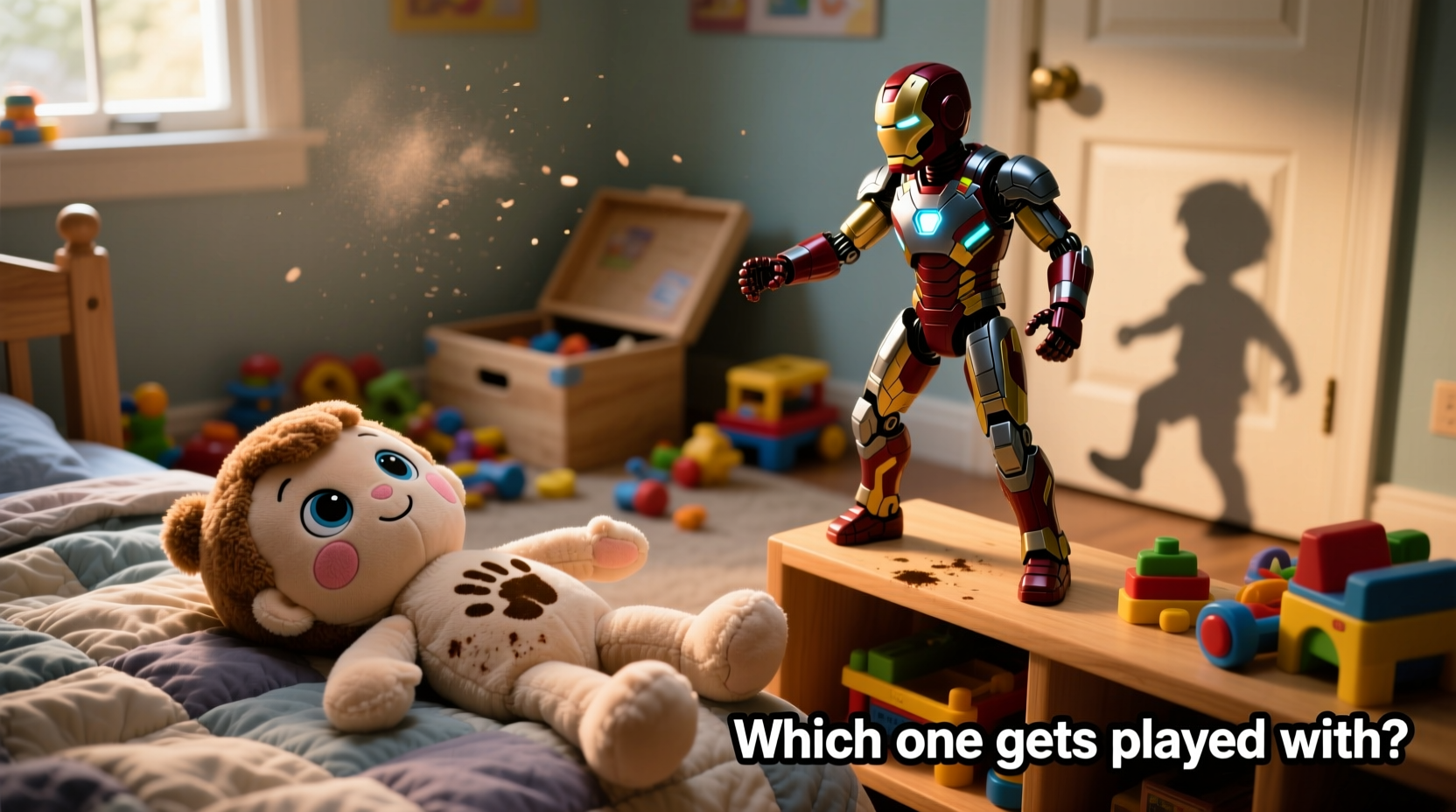
Children’s play patterns are deeply tied to emotional development, sensory input, and imaginative storytelling. Plush dolls and action figures serve different roles in this ecosystem. Plush toys, with their soft textures and comforting appearance, often become transitional objects—items that provide security during times of stress or change. They’re frequently involved in nurturing play, where children mimic caregiving behaviors like feeding, rocking, or tucking the doll in for sleep.
Action figures, on the other hand, tend to fuel narrative-driven, high-energy play. Children assign them roles in battles, rescues, adventures, or superhero scenarios. These toys are often integrated into complex storylines that evolve over days or weeks. According to Dr. Linda Miller, a developmental psychologist specializing in childhood play, “Action figures act as avatars in a child’s expanding worldview—they represent power, agency, and identity. Plush dolls, meanwhile, support empathy and emotional regulation.”
“Action figures let kids project who they want to be. Plush dolls help them process who they already are.” — Dr. Linda Miller, Child Development Researcher
Engagement Over Time: Which Toy Holds Attention?
A 2022 observational study by the Childhood Play Institute tracked toy usage in 120 households over six months. The results showed that while plush dolls were used daily by 78% of young children (ages 3–6), their average play session lasted only 12 minutes. Action figures had slightly lower daily usage (65%), but the average play duration was 27 minutes—more than double.
This suggests a key distinction: plush dolls are often used for comfort and short bursts of nurturing play, while action figures inspire longer, more immersive imaginative episodes. However, the study also found that plush dolls were more likely to be taken to bed, carried in public, or referenced in conversation—indicating deeper emotional attachment.
Comparison: Plush Dolls vs Action Figures
| Feature | Plush Doll | Action Figure |
|---|---|---|
| Material | Fabric, stuffing, synthetic hair | PVC plastic, rubber, metal joints |
| Average Age Range | 1–8 years | 4–12 years |
| Play Type | Nurturing, soothing, role-play | Action, adventure, storytelling |
| Durability | Moderate (prone to stains, wear) | High (resistant to drops, water) |
| Cleanability | Machine washable (some) | Wipe clean only |
| Emotional Bond Strength | High | Medium |
| Imaginative Complexity | Low to moderate | High |
| Likelihood of Being Lost | Low (kept close) | High (left in play areas) |
Real-World Example: Two Siblings, Two Preferences
In the Martinez household, 5-year-old Sofia and her 7-year-old brother Mateo each received a new toy for their birthdays—Sofia chose a lavender unicorn plush, while Mateo picked a limited-edition space ranger action figure. Over the next three months, their parents observed distinct patterns.
Sofia took the plush everywhere—bed, car, even to dinner at a friend’s house. She named it “Luna” and created routines around it: Luna needed breakfast, a nap, and a goodnight song. The plush rarely left her side, though active play with it was brief and repetitive.
Mateo, meanwhile, built an elaborate universe around his ranger. He constructed bases from cardboard boxes, recruited other toys as allies, and narrated multi-part missions involving alien invasions. His action figure was played with intensely for up to 40 minutes at a time—but often went untouched for days after a major storyline concluded.
Both children formed strong attachments, but in fundamentally different ways: one through continuity and comfort, the other through creativity and conquest.
Factors That Influence Actual Play Frequency
Several variables determine whether a plush doll or action figure gets regular use:
- Child’s temperament: Sensitive or introverted children may prefer plush toys for emotional grounding.
- Media exposure: Characters from popular shows or movies drive demand—kids want to reenact scenes they’ve seen.
- Toys’ articulation and accessories: Action figures with interchangeable parts, weapons, or vehicles sustain interest longer.
- Parental involvement: When adults join in play, both types see increased use, especially with open-ended prompts (“What’s the doll dreaming about?”).
- Storage and accessibility: Toys kept within easy reach are played with 3x more often, according to a 2021 University of Minnesota study.
Step-by-Step Guide: Choosing the Right Toy for Your Child
- Observe current play habits. Does your child carry a favorite blanket? Lean toward plush. Do they reenact movie fights? Consider action figures.
- Assess age and fine motor skills. Younger children may struggle with small action figure joints; plush is easier to handle.
- Check for safety standards. Ensure plush dolls have securely stitched eyes and no loose fibers. Action figures should meet ASTM F963 safety requirements.
- Consider durability needs. High-activity homes may benefit from machine-washable plush or rugged action figures.
- Introduce variety. Offer both types—children often shift preferences as they grow.
FAQ
Can a child benefit from having both plush dolls and action figures?
Absolutely. Exposure to both types supports balanced development—emotional intelligence through nurturing play with plush, and problem-solving through narrative construction with action figures. Many children naturally integrate both into larger play scenarios.
Are action figures appropriate for preschoolers?
Yes, if chosen carefully. Look for larger, simplified figures with minimal small parts. Brands like LEGO Friends or Fisher-Price Imaginext offer age-appropriate options that balance detail with safety.
My child only plays with one toy. Should I be concerned?
Not necessarily. Deep attachment to a single toy is normal and healthy, especially under age 7. It indicates secure emotional processing. Encourage variety gently, but don’t force disengagement from a beloved item.
Final Checklist Before Buying
- ✅ Matches the child’s current interests (favorite characters, colors, themes)
- ✅ Made with non-toxic, durable materials
- ✅ Appropriate for the child’s age and developmental stage
- ✅ Easy to clean or maintain
- ✅ Encourages open-ended, imaginative play (not just passive display)
- ✅ Has potential for storytelling or role-playing expansion
Conclusion: It’s Not About Which Wins—It’s About Which Fits
The question isn’t whether plush dolls or action figures get played with more in absolute terms—it’s which one aligns with a specific child’s needs, personality, and stage of growth. Plush dolls excel in fostering emotional security and nurturing behavior, making them ideal companions for younger or sensitive children. Action figures shine in sparking dynamic, extended imaginative sequences, appealing to kids drawn to adventure and heroism.
Rather than choosing one category over the other, thoughtful caregivers can build a balanced toy ecosystem. Rotate, observe, and listen. Let the child’s play guide the way. After all, the most played-with toy isn’t always the flashiest or most popular—it’s the one that feels right in their hands and fits naturally into their world.




 浙公网安备
33010002000092号
浙公网安备
33010002000092号 浙B2-20120091-4
Comments
No comments yet. Why don't you start the discussion?