
Choosing the right pillow can make the difference between waking up refreshed or groggy. Among the growing variety of options, two types have gained attention: plush flower pillows—often marketed for their softness and aesthetic appeal—and memory foam pillows, long praised for spinal alignment and pressure relief. But when it comes to actual sleep quality, which one performs better? The answer isn't just about comfort; it's about how well each pillow supports your neck, head, and sleeping posture over time.
Understanding the Basics: What Are These Pillows?
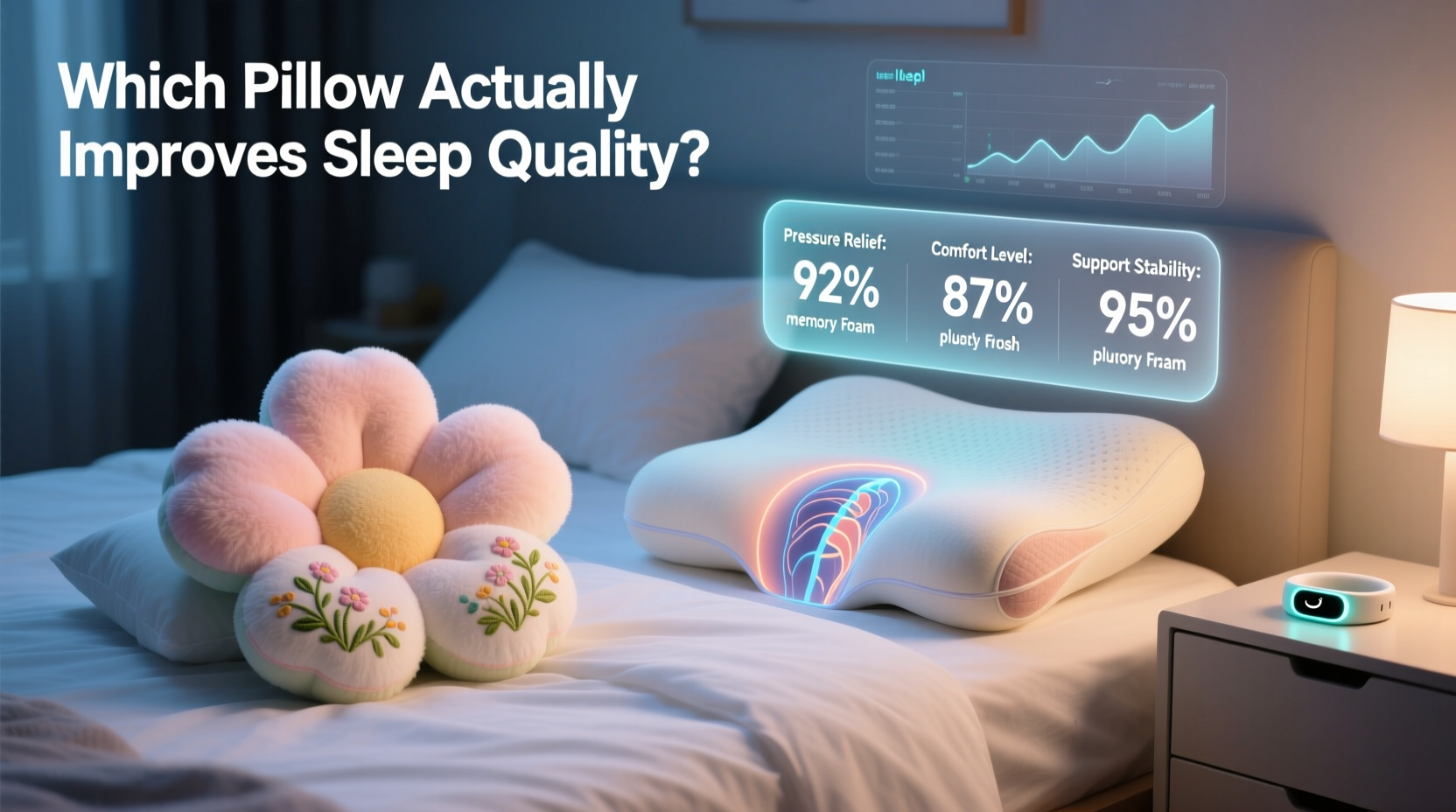
A **plush flower pillow** typically refers to a decorative, ultra-soft cushion filled with polyester fiberfill or down alternative. Named for its floral design or petal-like layers, it’s often marketed as luxurious and huggable. These pillows prioritize immediate softness and visual charm, making them popular in lifestyle photography and social media.
In contrast, a **memory foam pillow** is engineered from viscoelastic foam that molds to the shape of your head and neck. Originally developed by NASA, this material responds to body heat and pressure, offering targeted support. Most memory foam pillows are designed with ergonomic contours—such as cervical curves or cutouts—to promote proper spinal alignment during sleep.
While both claim to enhance comfort, their construction leads to fundamentally different experiences—one focused on sensory indulgence, the other on biomechanical function.
Comparing Key Sleep Factors
Sleep quality depends on multiple factors: support, temperature regulation, durability, and suitability for different sleeping positions. Let’s break down how each pillow type measures up.
Neck and Spinal Support
Proper alignment of the spine while lying down reduces strain on muscles and joints. Memory foam excels here due to its ability to conform precisely to the sleeper’s shape. It fills the gap between the neck and mattress, preventing the head from tilting too far up or down.
Plush flower pillows, while cozy, tend to collapse under pressure. This lack of structural integrity often results in inadequate neck support, especially for side and back sleepers. Over time, poor alignment may contribute to morning stiffness or headaches.
“Pillows should maintain neutral spinal alignment. Soft, non-supportive pillows can lead to chronic neck tension.” — Dr. Lena Patel, Chiropractor & Sleep Posture Specialist
Temperature Regulation
Memory foam has historically been criticized for trapping heat. However, newer models feature open-cell structures, gel infusions, or phase-change materials to dissipate warmth. Some even come with breathable covers designed to wick moisture.
Plush flower pillows, usually made from synthetic fibers, offer moderate breathability but don’t actively manage heat. Their dense fillings can retain warmth, particularly if covered in non-breathable fabric like satin or thick polyester blends.
Durability and Longevity
Memory foam pillows generally last 2–3 years with regular use before losing their resilience. They resist compression better than fiber-filled alternatives and maintain shape longer.
Plush flower pillows tend to flatten faster—sometimes within months—especially if frequently compressed or machine-washed. Once flattened, they provide minimal support and must be replaced more often.
Sleep Position Suitability
- Side sleepers: Require high loft and firm support. Memory foam is ideal; plush pillows often fail to bridge the shoulder gap.
- Back sleepers: Need moderate elevation to keep the neck aligned. Contoured memory foam works best; overly soft pillows let the head sink too far back.
- Stomach sleepers: Benefit from low-profile, soft cushions. Here, plush flower pillows may be acceptable—but only if thin enough to avoid neck hyperextension.
Comparison Table: Plush Flower Pillow vs Memory Foam Pillow
| Feature | Plush Flower Pillow | Memory Foam Pillow |
|---|---|---|
| Support Level | Low – collapses easily | High – conforms and stabilizes |
| Pressure Relief | Moderate – surface softness only | Excellent – distributes weight evenly |
| Cooling Performance | Fair – average breathability | Good to Excellent (with cooling tech) |
| Lifespan | 6–12 months (may flatten quickly) | 2–3 years (retains shape) |
| Best For | Decorative use, stomach sleepers, children | All sleepers needing support, chronic pain sufferers |
| Maintenance | Machine washable (usually) | Spot clean or removable cover |
Real-World Example: A Side Sleeper’s Experience
Sarah, a 38-year-old graphic designer, struggled with recurring neck pain for years. She initially chose a plush flower pillow because it looked inviting and felt soft at first touch. However, she consistently woke up with tight shoulders and needed stretching before getting out of bed.
After switching to a contoured memory foam pillow recommended by her physical therapist, Sarah noticed improvement within a week. “It felt firmer than I was used to,” she said, “but my neck stopped aching. I didn’t realize how much my old pillow was throwing off my posture.”
Her experience reflects a common pattern: initial comfort doesn’t always equal long-term benefit. Sensory appeal can mask functional shortcomings.
When Might a Plush Flower Pillow Be the Right Choice?
Despite their limitations for primary sleep support, plush flower pillows aren’t without value. They work well in specific scenarios:
- As an accent pillow for lounging or reading in bed
- For children who prefer softer textures
- In combination with a supportive base pillow (e.g., placed on top for added softness)
- For temporary use, such as travel or guest rooms where aesthetics matter more than ergonomics
However, using them as your main pillow night after night—especially if you're a side or back sleeper—is likely to compromise spinal health over time.
Step-by-Step Guide: Choosing the Right Pillow for Your Sleep Style
- Identify your sleep position: Observe how you naturally lie—on your side, back, or stomach.
- Measure your shoulder width and mattress depth: Side sleepers with broad shoulders need higher loft; thinner frames may require less.
- Test firmness: Press your hand into the pillow. It should resist slightly and spring back slowly (memory foam) rather than collapsing completely (plush).
- Check for contouring: Look for cervical support if you have neck issues. Avoid flat, uniformly soft designs if you sleep on your side or back.
- Try it for at least one week: Allow time to adjust, especially when switching from soft to supportive pillows.
- Evaluate morning symptoms: Waking with neck pain, numbness, or jaw tension suggests poor alignment.
Frequently Asked Questions
Can I use a plush flower pillow if I have neck pain?
No, not as your primary pillow. While softness may feel soothing temporarily, it fails to support the cervical spine. Chronic neck pain usually requires structured support, which memory foam provides through contouring and density.
Are memory foam pillows safe for people with allergies?
Yes, most memory foam pillows are hypoallergenic and resistant to dust mites, mold, and mildew—especially those with antimicrobial covers. Always check product labels if you have sensitivities.
Do memory foam pillows lose their shape over time?
All pillows degrade eventually, but memory foam maintains its structure far longer than fiber-filled plush pillows. To extend lifespan, rotate it regularly and avoid exposing it to direct sunlight or excessive moisture.
Final Recommendation: Prioritize Function Over Form
While plush flower pillows win in the aesthetics department, memory foam pillows are superior for improving actual sleep quality. Their ability to support proper spinal alignment, relieve pressure points, and endure nightly use makes them a worthwhile investment for long-term health.
That doesn’t mean you can’t enjoy softness—you can layer a thin, soft pillow over a supportive memory foam base to get both comfort and function. But never sacrifice support for surface-level coziness.
Your pillow isn’t just part of bedroom decor; it’s a critical component of your sleep environment. Choosing based on how it feels after eight hours—not just eight seconds—will pay dividends in energy, focus, and physical well-being.




 浙公网安备
33010002000092号
浙公网安备
33010002000092号 浙B2-20120091-4
Comments
No comments yet. Why don't you start the discussion?