
In recent years, plush headbands—those soft, fuzzy accessories that look like they’ve stepped out of a cozy winter dream—have surged in popularity. From social media influencers to yoga studios and remote work setups, plush headbands are everywhere. But with so much buzz, it’s fair to ask: Are they actually better than traditional, regular headbands? Or is this just another trend built on aesthetics rather than practicality?
The answer isn’t black and white. While plush headbands offer undeniable comfort and aesthetic appeal, their value depends on your lifestyle, hair type, climate, and intended use. To cut through the marketing noise, let’s break down the real differences between plush and regular headbands, backed by user experiences, material science, and functional testing.
Understanding the Basics: What Sets Them Apart
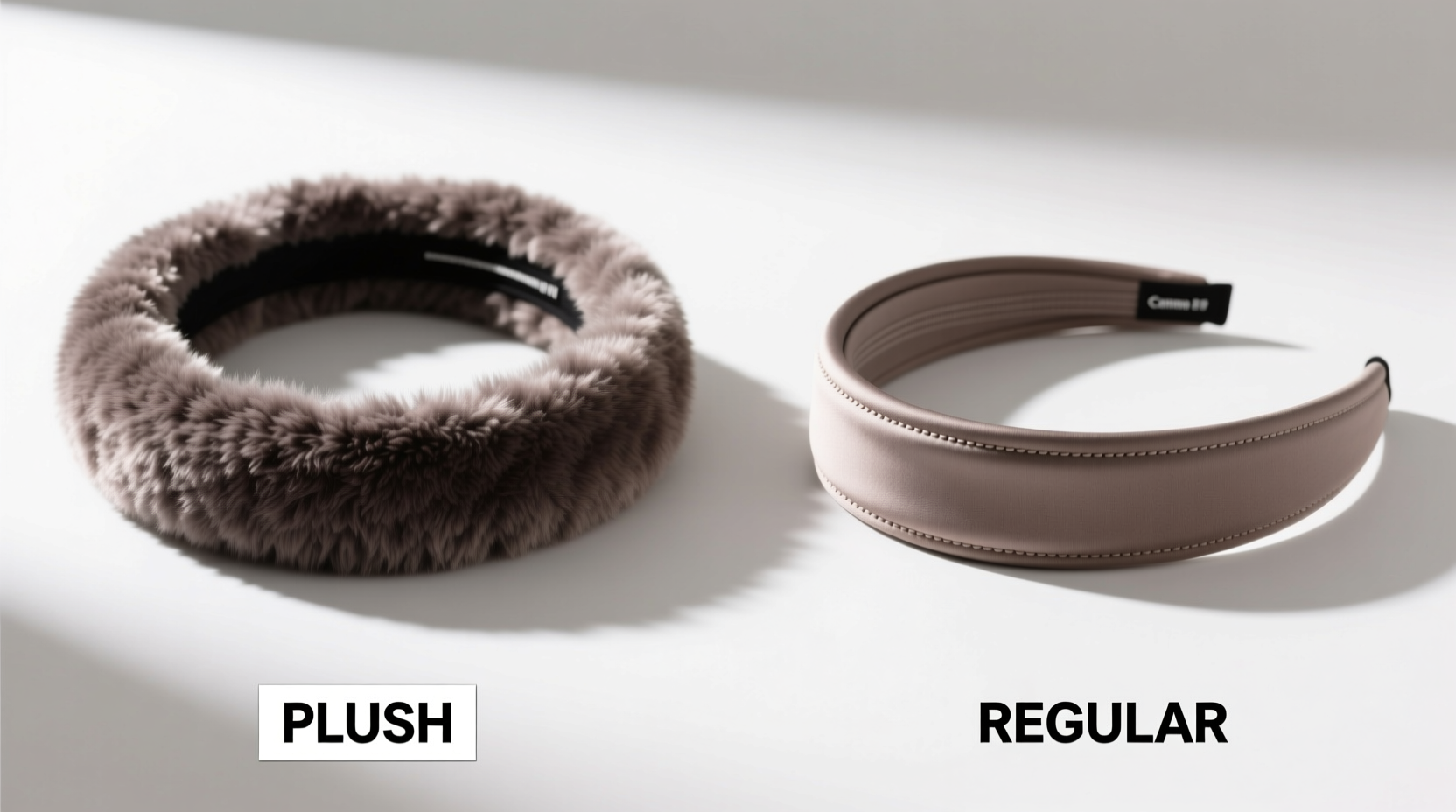
The primary distinction lies in materials and construction. Regular headbands are typically made from plastic, metal, fabric-covered wire, or knitted cotton. They prioritize function—holding hair back efficiently—and often come in minimalist designs. Plush headbands, on the other hand, feature a soft, fleece-like or faux fur outer layer bonded to an inner band (usually elastic or fabric-covered elastic). Their main selling points are comfort, warmth, and visual charm.
This fundamental difference affects performance across several key areas: grip, breathability, durability, and suitability for different activities.
Material Composition Compared
| Feature | Plush Headband | Regular Headband |
|---|---|---|
| Outer Material | Fleece, faux fur, sherpa, terry cloth | Plastic, metal, cotton, spandex, velvet |
| Inner Band | Elastic or fabric-covered elastic | Flexible plastic, metal wire, rubber |
| Weight | Light to medium | Very light to light |
| Temperature Regulation | Poor (retains heat) | Good to excellent |
| Grip on Hair | Moderate (can slip when sweaty) | High (especially velvet or rubber-lined) |
Comfort and Wearability: The Cozy Factor vs Long-Term Use
Plush headbands excel in comfort. The soft texture feels gentle against the skin and doesn’t leave pressure marks, even after hours of wear. This makes them ideal for lounging, working from home, or post-shower routines. Many users report that plush headbands reduce headaches caused by tight, rigid bands—a common complaint with thin plastic or metal styles.
However, comfort doesn’t always translate to functionality. In humid environments or during physical activity, plush materials trap heat and moisture. This can lead to discomfort, especially around the hairline and forehead. Sweat absorption is poor, and dampness can make the headband slippery, causing it to shift or fall off.
Regular headbands, particularly those with velvet or rubberized interiors, maintain grip even when damp. They’re cooler, more breathable, and less likely to contribute to scalp sweating or oil buildup—important considerations for people with fine or oily hair.
Durability and Maintenance: How Well Do They Hold Up?
One of the biggest drawbacks of plush headbands is longevity. The fuzzy exterior tends to mat, pill, or shed over time, especially with frequent washing. Most require hand-washing or delicate machine cycles, and improper care can ruin the texture within weeks.
Regular headbands, particularly those made from silicone-coated plastic or high-quality knits, are generally easier to clean and more durable. A quick wipe with a damp cloth is often enough for plastic styles, while fabric versions can usually withstand regular laundry cycles.
“While plush headbands feel luxurious at first, their lifespan is significantly shorter if not cared for properly. For daily use, I recommend reserving them for low-sweat scenarios.” — Dana Reyes, Accessory Designer & Textile Specialist
Real-Life Scenario: The Remote Worker’s Dilemma
Sophie, a freelance graphic designer based in Portland, switched to plush headbands during lockdown for her Zoom-heavy workdays. She loved how they looked on camera and appreciated the softness during 10-hour sitting sessions. But after three months, she noticed her favorite gray sherpa band had flattened, lost its shape, and started shedding fibers onto her dark sweaters.
She returned to a velvet-lined fabric headband for work and kept the plush one for weekends. “It’s like having a sweatshirt versus a tailored blazer,” she said. “One feels great but isn’t practical every day.”
When Plush Headbands Shine (And When They Don’t)
Plush headbands aren’t universally superior—but they do have specific niches where they outperform regular options.
- Best for: Cold weather, dry indoor environments, photo shoots, relaxation, thick or curly hair (which benefits from extra cushioning).
- Not ideal for: Workouts, hot climates, oily scalps, long outdoor use, or situations requiring secure hold.
For example, someone doing hot yoga would find a plush headband ineffective—it absorbs sweat and slips easily. Conversely, someone reading by a fireplace in winter will appreciate the warmth and softness plush provides.
Step-by-Step Guide: Choosing the Right Headband for Your Needs
- Assess your primary use: Is it for exercise, work, sleep, or fashion?
- Consider your hair type: Thick, curly, or coarse hair may benefit from plush padding; fine hair needs strong grip.
- Evaluate your environment: Hot or humid? Opt for breathable materials. Cold and dry? Plush adds warmth.
- Think about maintenance: Are you willing to hand-wash delicate items, or do you need something low-maintenance?
- Test for fit: Try both types. A headband should stay put without pinching or sliding.
FAQ: Common Questions About Plush vs Regular Headbands
Do plush headbands damage hair?
No, plush headbands are generally gentler than rigid plastic or metal bands. Their soft surface reduces friction, minimizing breakage and creasing—especially beneficial for curly or fragile hair.
Can I wear a plush headband to the gym?
Not recommended. Most plush headbands lack moisture-wicking properties and lose grip when wet. Instead, opt for a silicone-lined or athletic fabric headband designed for sweat resistance.
How do I wash a plush headband without ruining it?
Hand wash in cold water with mild detergent. Gently squeeze out excess water—do not wring. Lay flat to dry away from direct heat or sunlight to prevent shrinking and fiber damage.
Final Verdict: Are Plush Headbands Worth It?
The hype around plush headbands isn’t entirely unjustified. They deliver on comfort, aesthetics, and gentle hair handling—qualities that matter in everyday life, especially in relaxed or indoor settings. However, they are not a one-size-fits-all upgrade. Their limitations in breathability, durability, and grip mean they complement, rather than replace, regular headbands in most wardrobes.
The smart approach? Own both. Keep a plush headband for cozy mornings, video calls, or styling purposes. Rely on a well-made regular headband—especially a velvet or rubber-grip version—for active days, humid conditions, or when you need reliability over flair.




 浙公网安备
33010002000092号
浙公网安备
33010002000092号 浙B2-20120091-4
Comments
No comments yet. Why don't you start the discussion?