
Choosing between a plush pillow cover and a zippered pillow protector isn't just about aesthetics—it's about function, hygiene, and long-term comfort. While one promises softness and style, the other prioritizes defense against allergens, spills, and wear. But does the presence of a zipper tip the scales? The answer depends on your sleep habits, health needs, and how you define pillow care.
A plush pillow cover is often marketed as a luxury upgrade—silky, breathable, and designed to enhance the feel of your bedding. In contrast, a zippered pillow protector is built for resilience, sealing in your pillow like armor. Yet many consumers wonder: is that zipper truly necessary, or just an inconvenience? Let’s break down what each option offers and where the zipper makes a real difference.
The Role of Pillow Covers and Protectors
Pillow covers and protectors serve overlapping but distinct purposes. A pillow cover primarily enhances tactile experience and appearance. It’s the first thing you feel when resting your head—so materials like bamboo, sateen cotton, or microfiber blends aim to deliver softness and temperature regulation.
A pillow protector, however, is engineered for preservation. Its job is to shield your pillow from sweat, saliva, dust mites, dead skin cells, and accidental spills. This layer extends the pillow’s lifespan and maintains hygiene, especially critical for memory foam or down-filled pillows that are difficult to clean.
“Most people replace pillows too late. A good protector can delay that by 1–2 years by preventing internal contamination.” — Dr. Lena Reyes, Sleep Hygiene Researcher at the National Sleep Foundation
Plush Pillow Covers: Comfort First
Plush pillow covers are typically made from soft, tightly woven fabrics such as brushed microfiber, jersey knit, or high-thread-count cotton. They’re designed to feel inviting and luxurious, mimicking high-end hotel bedding.
These covers usually slip over the pillow without fasteners, secured only by elastic corners or a snug fit. That means they’re easy to remove and wash, but also more likely to shift during the night. Some users appreciate this simplicity; others find it frustrating when the cover bunches or slips off mid-sleep.
While plush covers may offer light protection from surface stains, they don’t fully enclose the pillow. Gaps at the sides allow moisture and allergens to seep through over time. For someone with sensitive skin or allergies, this open design could undermine its benefits despite the appealing texture.
Zippered Pillow Protectors: Defense Over Design
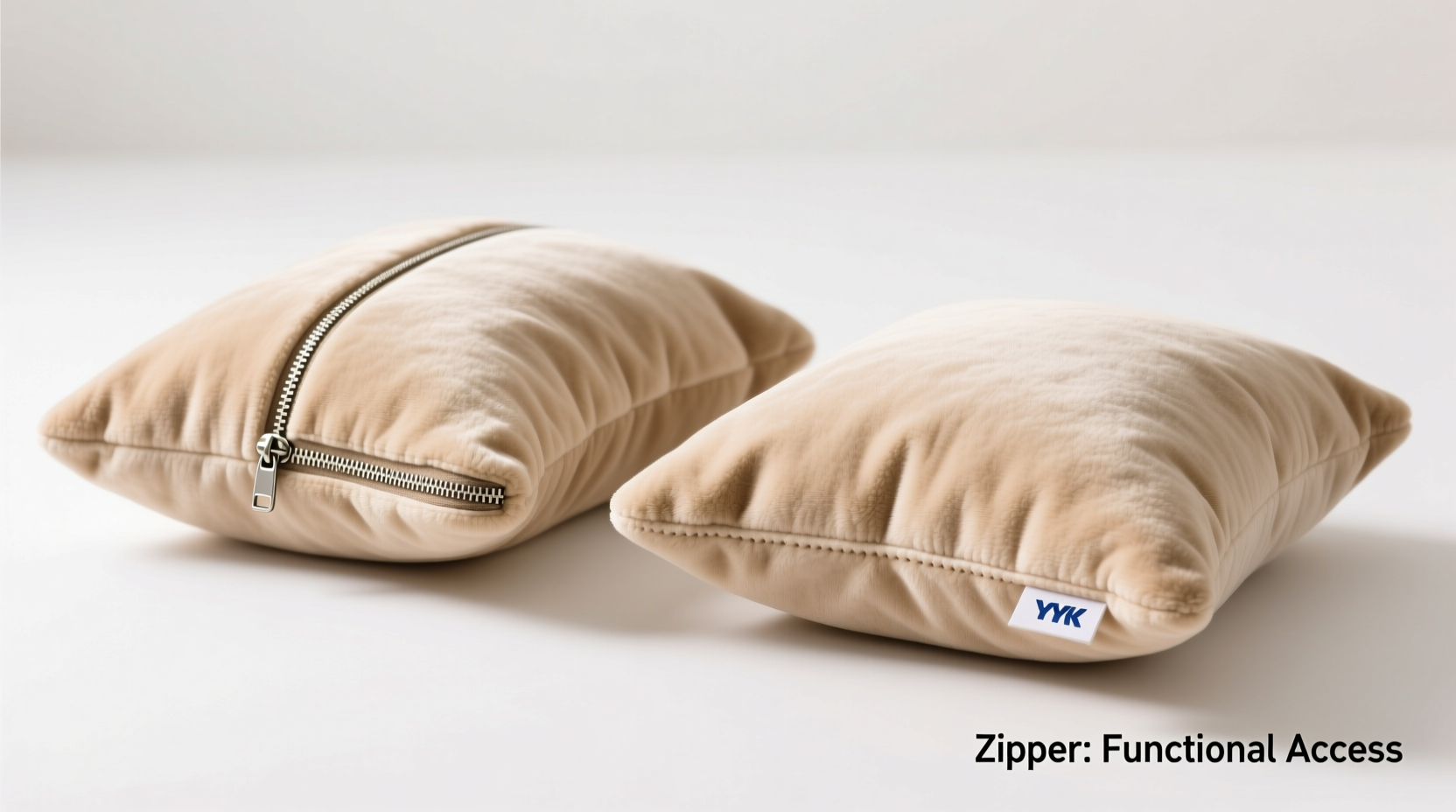
Zippered pillow protectors prioritize containment. With a full enclosure and a durable YKK or nylon zipper, they create a barrier that keeps contaminants out and inner filling intact. Most are made from tightly woven polyester-cotton blends, sometimes treated with water-resistant coatings or antimicrobial finishes.
The zipper ensures no part of the pillow is exposed. This is crucial for blocking dust mites, bed bugs, and mold spores—common triggers for asthma and allergic rhinitis. Medical professionals often recommend zippered protectors for patients with respiratory conditions or chronic sinus issues.
However, not all zippered protectors are created equal. Lower-quality versions may have noisy zippers, rough interior seams, or plasticky textures that disrupt sleep. Premium models use silent zippers and softer linings to balance protection with comfort.
Do Zippers Really Matter?
Yes—but context matters. If your goal is purely aesthetic enhancement, a plush cover without a zipper suffices. But if you value hygiene, longevity, and allergen control, the zipper becomes essential.
Think of it like packaging: a drawstring bag holds items loosely, while a sealed container locks them in. Without a zipper, particles can migrate into the pillow core within weeks. Once embedded, they can’t be washed out—even if you clean the outer cover frequently.
In clinical environments and allergy-tested bedding lines, fully enclosed, zippered protectors are standard. Open-style covers simply don’t meet the same protective threshold.
Comparative Breakdown: Plush Cover vs Zippered Protector
| Feature | Plush Pillow Cover | Zippered Pillow Protector |
|---|---|---|
| Primary Purpose | Comfort & aesthetics | Hygiene & protection |
| Closure Type | Elastic corners or no closure | Full-length zipper |
| Allergen Protection | Limited (open edges) | High (sealed enclosure) |
| Washability | Easy, frequent washing | Washable but bulkier |
| Durability | Moderate (fabric wears faster) | High (reinforced stitching) |
| Feel Against Skin | Soft, luxurious | Varies—can be crisp or slightly synthetic |
| Best For | Hotels, luxury bedding, low-allergy risk | Allergy sufferers, kids, humid climates |
Real-World Scenario: The Allergy-Prone Sleeper
Sarah, a 34-year-old teacher with seasonal allergies, used plush pillow covers for years because she loved how they felt. Despite weekly laundering, she woke up congested every spring. After consulting an allergist, she switched to hypoallergenic zippered protectors. Within three weeks, her nighttime symptoms decreased significantly. Lab tests later showed her old pillows were saturated with dust mite debris—something the open covers had allowed to accumulate unnoticed.
This case illustrates a common oversight: comfort shouldn’t come at the cost of invisible risks. For many, the zipper isn’t a nuisance—it’s the key to symptom relief.
How to Choose the Right Option for You
Selecting between these two comes down to personal priorities. Consider the following checklist before deciding:
- Do you suffer from allergies, asthma, or sensitive skin? → Choose zippered protector
- Is your pillow expensive or hard to clean (e.g., down, memory foam)? → Protect it with a zipper
- Do you live in a humid climate prone to mold? → Sealed protection reduces risk
- Do you prioritize softness and hotel-like luxury above all? → Plush cover may suffice
- Are you willing to layer? → Use both: protector underneath, plush cover on top
Step-by-Step Guide: Maximizing Pillow Longevity
- Assess your health and environment: Identify allergy risks or exposure to moisture and dust.
- Select a zippered protector as your base layer: Opt for breathable, hypoallergenic fabric with a quiet zipper.
- Add a plush cover for comfort: Choose a machine-washable material that complements your sheets.
- Wash the cover weekly: Removes surface oils and bacteria.
- Wash the protector monthly: Follow care instructions to maintain waterproof or antimicrobial properties.
- Replace protectors every 1–2 years: Even durable ones degrade with repeated washing.
Frequently Asked Questions
Can I use a plush cover without any protector underneath?
Yes, if you don’t have allergies and wash your pillow regularly. However, internal contamination will occur over time, shortening the pillow’s usable life.
Are zippered protectors noisy or uncomfortable?
Lower-end models can be stiff or loud, but high-quality versions use soft linings and concealed, silent zippers. Look for “sateen weave” or “brushed backing” in product descriptions.
Do I need both a protector and a cover?
Ideally, yes. The protector shields the pillow; the cover enhances comfort. Layering allows you to enjoy softness without sacrificing hygiene.
Final Thoughts: Function Meets Comfort
The zipper on a pillow protector isn’t just a detail—it’s a functional necessity for true protection. While plush pillow covers elevate the sensory experience of sleep, they fall short in defense. For long-term hygiene, allergen control, and pillow preservation, a zippered protector is unmatched.
But you don’t have to choose one over the other. Smart bedding strategies involve layering: a zippered protector as the foundation, topped with a plush cover for softness. This combination delivers both health benefits and indulgent comfort—without compromise.




 浙公网安备
33010002000092号
浙公网安备
33010002000092号 浙B2-20120091-4
Comments
No comments yet. Why don't you start the discussion?