
When it comes to quality sleep, every detail counts—especially what touches your face all night. The debate between using a plush pillowcase and a down alternative pillow isn’t just about luxury; it’s about comfort, support, temperature regulation, and long-term satisfaction. While both options promise softness and coziness, they serve different purposes and deliver distinct experiences. One enhances the surface feel of any pillow, while the other defines the core sleeping experience. Understanding their differences can help you make an informed decision that aligns with your sleep style, skin sensitivity, and ethical preferences.
Understanding the Basics: What Each Product Actually Is
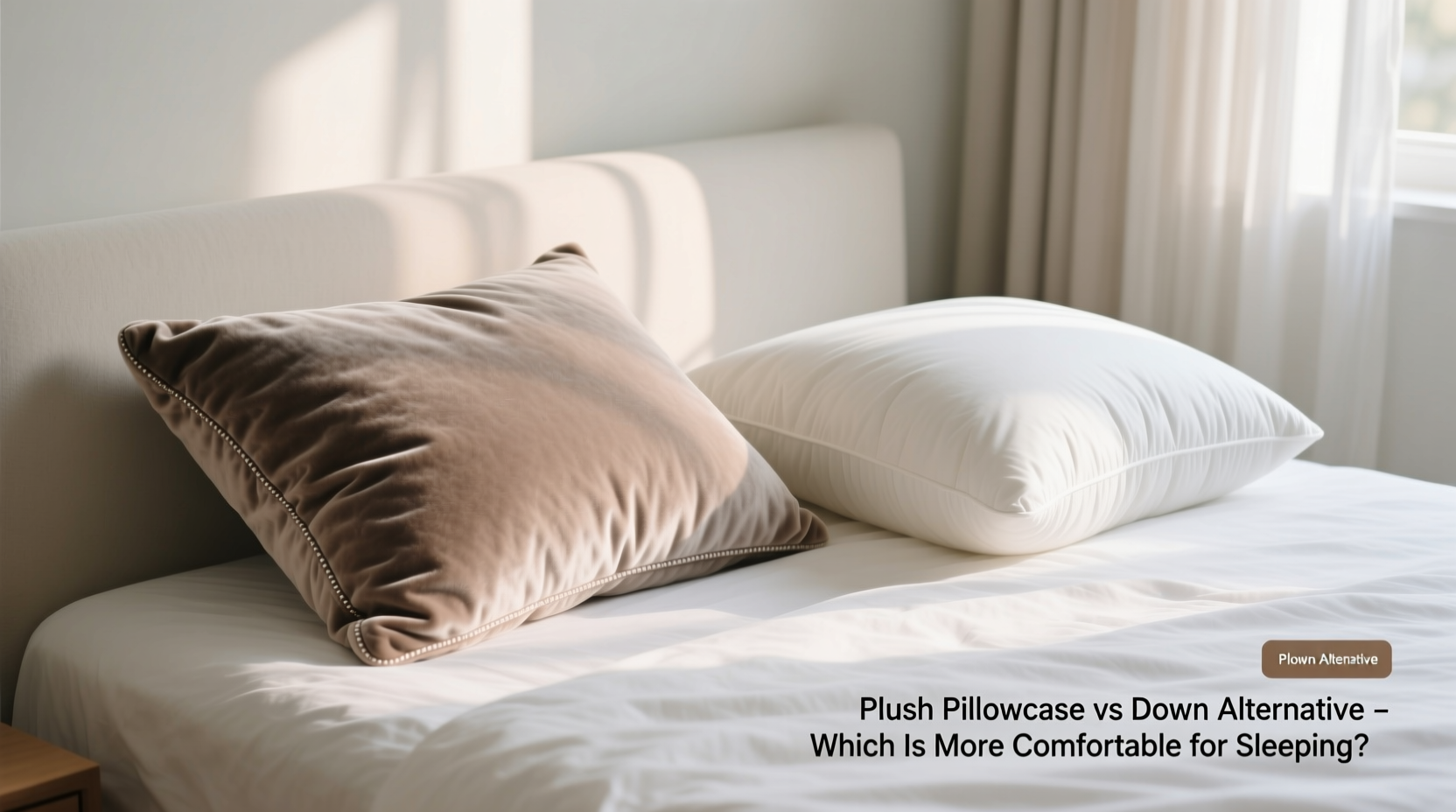
A plush pillowcase is not a pillow itself but a cover made from ultra-soft, often brushed or microfiber fabric designed to add a layer of silky smoothness over your existing pillow. These cases are typically made from materials like polyester microfiber, bamboo-derived viscose, or cotton blends engineered for maximum softness. Their primary function is sensory enhancement—they change how your pillow *feels* against your skin without altering its internal structure or support.
In contrast, a down alternative pillow is a complete sleeping accessory filled with synthetic fibers meant to mimic the loft and softness of real goose or duck down. These pillows are constructed to provide both comfort and structural support. The fill is usually hypoallergenic polyfill, often silicone-treated for a silkier texture, and encased in a cotton or cotton-blend shell. Unlike a pillowcase, this is a standalone product that determines how your head and neck are positioned during sleep.
“Comfort is multidimensional—it includes tactile sensation, pressure distribution, and thermal regulation. A plush case improves one dimension; the pillow itself affects them all.” — Dr. Lena Patel, Sleep Ergonomics Researcher, National Sleep Foundation
Comfort Comparison: Surface Softness vs. Structural Support
The plush pillowcase excels in immediate tactile pleasure. Sliding your cheek onto a brushed microfiber case feels like touching a cloud—cool, smooth, and frictionless. This makes it ideal for people with sensitive skin, those prone to facial creasing, or individuals who prioritize that “hotel bed” sensation. However, no matter how luxurious the case, it cannot compensate for a poorly supportive or lumpy inner pillow. If your pillow sags or fails to align your spine, even the softest cover won’t fix the underlying discomfort.
Down alternative pillows, on the other hand, offer a more holistic comfort profile. They are designed to be fluffy yet resilient, providing gentle support that contours to the shape of your head and neck. Modern versions use clustered fibers that resist clumping, maintaining consistent loft over time. Because they’re built to replace traditional down, many are medium-firm, offering a balance between sink-in softness and structural integrity. For side sleepers or those needing cervical support, this internal architecture matters far more than surface texture alone.
Detailed Feature Breakdown: How They Stack Up
| Feature | Plush Pillowcase | Down Alternative Pillow |
|---|---|---|
| Primary Function | Enhances surface softness | Provides full support and comfort |
| Material | Microfiber, bamboo, brushed polyester | Synthetic polyfill (often hypoallergenic) |
| Support Level | No impact | Medium to high (varies by model) |
| Hypoallergenic | Usually yes | Typically yes |
| Washability | Easy, machine washable | Machine washable, but bulkier |
| Lifespan | 1–3 years (fabric wear) | 2–5 years (fill degradation) |
| Best For | Skin comfort, anti-aging, cool touch | Neck support, consistent loft, allergy sufferers |
Real-World Use Case: Sarah’s Transition to Better Sleep
Sarah, a 38-year-old graphic designer and chronic side sleeper, struggled with morning neck stiffness and dry facial skin. She initially invested in a set of plush bamboo pillowcases, drawn by claims of reduced friction and temperature control. While she loved the silky feel and noticed fewer sleep lines, her neck pain persisted. After consulting a physical therapist, she realized her pillow had collapsed in the center, failing to support her shoulder alignment.
She switched to a firm down alternative pillow with adjustable fill, keeping her original plush case. Within two weeks, her neck discomfort decreased significantly. The combination gave her the best of both worlds: the ergonomic support she needed and the soft surface she enjoyed. Her experience illustrates a key insight—surface comfort enhances sleep, but proper support transforms it.
How to Choose Based on Your Sleep Profile
Your ideal choice depends on your sleeping position, skin sensitivity, and personal priorities:
- Back sleepers benefit from moderate loft and even support. A medium-firm down alternative pillow provides proper spinal alignment, while a plush case adds sensory comfort.
- Side sleepers need higher loft to fill the gap between shoulder and head. Down alternative pillows with dense, resilient fill work best. A soft case prevents ear and cheek irritation.
- Stomach sleepers require low-profile pillows to avoid neck strain. Some opt for thin down alternatives paired with cooling plush cases to prevent overheating.
- Allergy sufferers should prioritize hypoallergenic fills and tightly woven pillowcases. Both down alternative pillows and high-quality plush cases meet this need.
- Eco-conscious buyers may prefer organic cotton-based plush cases or recycled PET-filled pillows, which reduce environmental impact.
Step-by-Step Guide: Optimizing Your Sleep Setup
- Assess your current pillow: Check for flatness, lumps, or sagging. Press down on it—if it doesn’t rebound within seconds, it’s worn out.
- Determine your sleep position: Identify whether you’re a back, side, or stomach sleeper to guide support needs.
- Select a supportive down alternative pillow: Look for adjustable fill options or models rated for your sleeping style.
- Add a plush pillowcase: Choose breathable, OEKO-TEX certified fabric to ensure safety and softness.
- Maintain both properly: Wash the case weekly and the pillow every 3–6 months to preserve hygiene and longevity.
Frequently Asked Questions
Can I use a plush pillowcase on any type of pillow?
Yes, plush pillowcases are universally compatible. They work especially well on memory foam or down alternative pillows, enhancing softness without compromising support.
Do down alternative pillows flatten faster than real down?
They can, depending on quality. High-density, siliconized fibers resist compaction longer. Look for brands that offer refillable designs or warranties against premature flattening.
Are plush pillowcases good for preventing hair breakage?
Absolutely. Smoother fabrics like bamboo or satin reduce friction, minimizing tangles and split ends—particularly beneficial for curly or fragile hair.
Final Recommendation: It’s Not Either/Or—It’s Both/And
The question isn’t whether a plush pillowcase or a down alternative pillow is more comfortable—it’s about recognizing that they fulfill complementary roles. The pillowcase influences how the surface feels against your skin, while the pillow itself determines spinal alignment, pressure relief, and long-term comfort. For most people, the optimal solution is to combine a supportive, high-quality down alternative pillow with a breathable, ultra-soft plush pillowcase.
This layered approach addresses both sensory pleasure and biomechanical health, creating a sleep environment that’s truly tailored to comfort. Don’t settle for superficial softness at the expense of support, nor rugged functionality without tactile care. Invest in both elements, maintain them well, and you’ll experience deeper, more restorative sleep night after night.




 浙公网安备
33010002000092号
浙公网安备
33010002000092号 浙B2-20120091-4
Comments
No comments yet. Why don't you start the discussion?