
Walking down the bedding aisle or scrolling through online stores, it's easy to get overwhelmed by the sheer number of pillow accessories available. Among them, plush pillowcases and pillow protectors stand out—one promising luxury comfort, the other silent defense against dust, sweat, and allergens. But when both serve overlapping roles in covering your pillow, it's fair to ask: Do you actually need both? Or is buying one just throwing money away?
The answer isn’t as simple as “yes” or “no.” It depends on your priorities—whether you value softness and aesthetics above all, or long-term hygiene and durability. Understanding the distinct functions of each can help you make a smarter investment in your sleep environment.
What Is a Plush Pillowcase—and What Does It Offer?
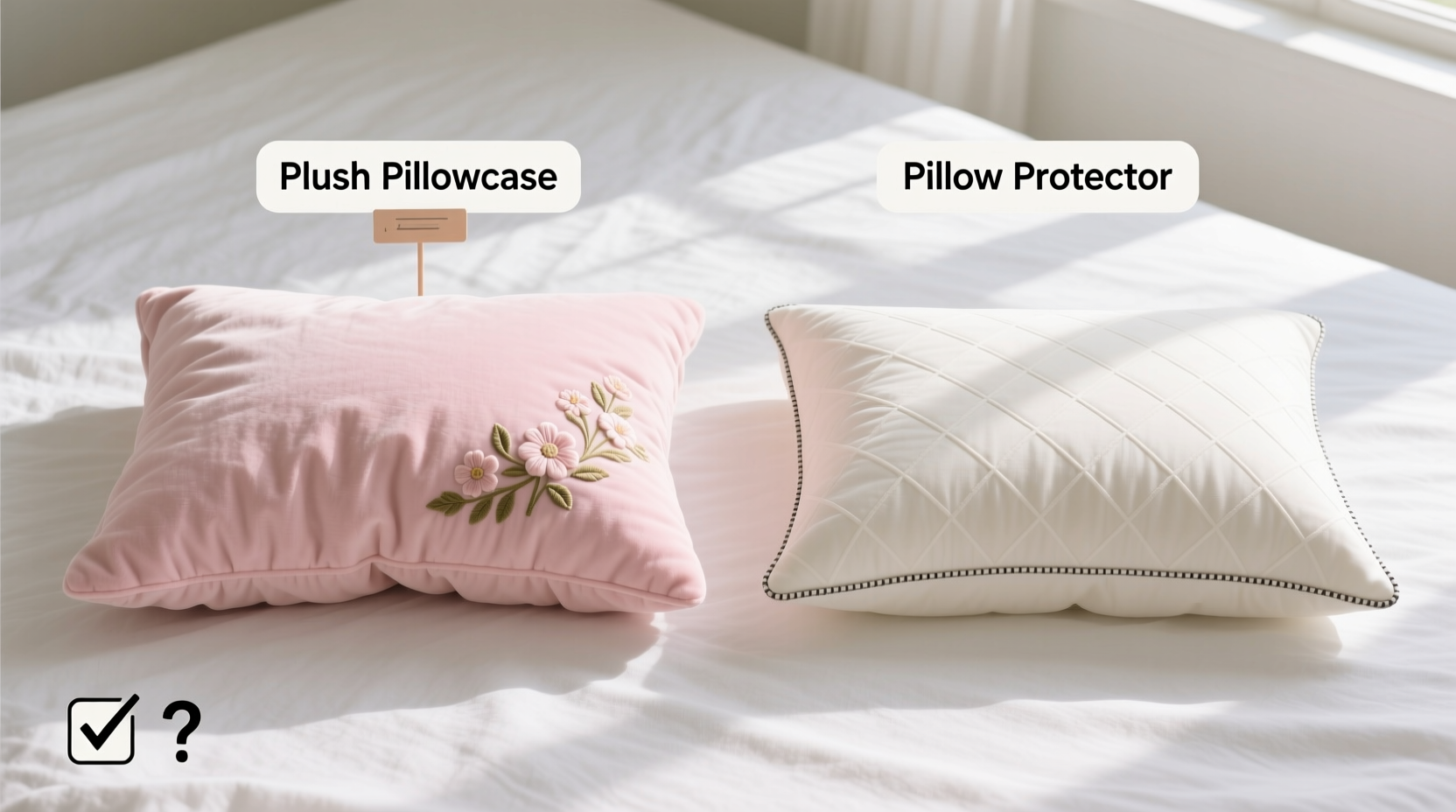
A plush pillowcase is designed primarily for comfort and sensory appeal. Made from high-thread-count cotton, silk, bamboo, or brushed microfiber, these cases are soft to the touch and often marketed as part of a luxury bedding experience. They enhance the feel of your pillow against your skin, reduce friction (especially beneficial for hair and facial skin), and contribute to a cohesive, inviting bedroom aesthetic.
While plush pillowcases come in various materials, their core function remains consistent: elevate comfort. However, they offer little in terms of protection. Most are not waterproof, stain-resistant, or hypoallergenic unless specifically treated—which can compromise softness.
What Exactly Does a Pillow Protector Do?
In contrast, a pillow protector is engineered for defense. Typically made with a blend of polyester, TENCEL™, or poly-cotton and featuring a water-resistant or hypoallergenic barrier, its purpose is to shield your pillow from spills, sweat, dust mites, mold, and pet dander. Many models include zippered enclosures that fully seal the pillow, offering 360-degree protection.
Pillow protectors are especially valuable if you live in a humid climate, suffer from allergies, or want to extend the life of expensive pillows like memory foam or down. They’re also essential in households with children or pets, where accidents are more likely.
While early versions were noisy and plasticky, modern protectors use breathable, quiet fabrics that don’t compromise comfort significantly. Some even mimic the feel of regular pillowcases while still providing a protective layer.
“Pillow protectors aren’t just about cleanliness—they’re about preserving the structural integrity of your pillow. Over time, moisture and oils degrade fill material, leading to flat, lumpy pillows much sooner than necessary.” — Dr. Lena Torres, Sleep Health Researcher at the National Sleep Foundation
Head-to-Head Comparison: Function, Cost, and Longevity
| Feature | Plush Pillowcase | Pillow Protector |
|---|---|---|
| Primary Purpose | Comfort, aesthetics, skin/hair benefits | Protection from stains, allergens, moisture |
| Material | Silk, satin, bamboo, high-thread cotton | Polyester, poly-cotton, TENCEL™ with membrane |
| Wash Frequency | Every 1–2 weeks | Every 2–4 weeks (can go longer if clean) |
| Lifespan | 1–3 years (depends on fabric quality) | 3–5 years (durable, washable multiple times) |
| Cost Range | $15–$50 per case | $20–$40 per protector |
| Hygienic Protection | Low to moderate | High (blocks allergens, bacteria, fluids) |
| Comfort Level | Excellent (soft, smooth) | Good to very good (modern versions are breathable) |
Can You Use Just One? Real-World Scenarios
The choice between using a plush pillowcase, a pillow protector, or both often comes down to lifestyle and health needs. Consider these realistic examples:
Case Study: Sarah, 34 – Sensitive Skin & Allergy Sufferer
Sarah wakes up with itchy eyes and occasional facial breakouts. Her dermatologist recommended switching to silk pillowcases to reduce friction and irritation. She bought a $40 silk case but noticed her pillow started developing yellow stains within months. After consulting an allergist, she learned that sweat and dead skin were feeding dust mites inside the pillow. Solution? She now uses a breathable hypoallergenic pillow protector underneath her silk case. The combo keeps her skin calm and her pillow clean for over two years.
Case Study: James, 28 – Minimalist Budget Shopper
James sees bedding as functional, not luxurious. He uses basic cotton pillowcases and never considered a protector. After six months, his memory foam pillow lost its shape and developed an odor. A quick inspection revealed deep-set sweat stains. When he replaced it, he invested in a $25 protector. Now, after 18 months, his new pillow looks and feels like it did on day one. “I wish I’d done this sooner,” he admits. “It’s cheaper than replacing pillows every year.”
The Smart Solution: Layering Both for Maximum Benefit
You don’t have to choose. In fact, the most effective approach is to use both—but in the right order. Stack them like this:
- Inner Layer: Pillow protector (directly on the pillow)
- Outer Layer: Plush pillowcase (over the protector)
This combination gives you the best of both worlds: the hygienic, structural protection of a barrier layer, plus the soft, luxurious feel you want against your skin. Think of it like wearing a t-shirt under a stylish jacket—you get comfort and protection without sacrificing appearance.
Modern pillow protectors are designed to be low-profile and quiet. Many are undetectable once covered by a pillowcase. And because they reduce wear on the inner pillow, you’ll replace your actual pillows less often—saving hundreds over time.
Step-by-Step Guide to Optimizing Your Pillow Setup
Follow this sequence to get the most value from your bedding investment:
- Evaluate your pillow type: Memory foam, down, and latex pillows benefit most from protectors due to cost and sensitivity to moisture.
- Select a hypoallergenic, breathable protector: Look for certifications like OEKO-TEX® or labels indicating dust mite resistance.
- Choose your plush pillowcase: Match material to your needs—silk for hair/skin, bamboo for cooling, cotton percale for crispness.
- Layer correctly: Slide the protector onto the pillow first, then add the decorative/comfort case.
- Maintain a cleaning schedule: Wash the pillowcase every 7–10 days; clean the protector every 4 weeks or as needed.
- Inspect annually: Check your pillow for lumps, odors, or discoloration—even with protection, most pillows should be replaced every 1–2 years.
Frequently Asked Questions
Can I skip the pillow protector if I wash my pillowcase weekly?
Washing your pillowcase frequently helps, but it doesn’t stop sweat, oils, and allergens from seeping into the pillow interior. A protector acts as a physical barrier. Without it, your pillow degrades faster, regardless of how often you change the case.
Do pillow protectors ruin the softness of my favorite pillowcase?
Not if you choose wisely. Modern protectors are ultra-thin and breathable. Those with a brushed or quilted surface add minimal texture. If you’re concerned, test one brand and upgrade as needed. The slight trade-off in softness is outweighed by long-term hygiene and pillow longevity.
Is it worth using both if I have cheap pillows?
Even inexpensive pillows benefit from protection. While you may replace them more often, a protector keeps them cleaner and fresher between changes. For travelers or guest rooms, this is especially useful for maintaining hygiene with lower-cost bedding.
Final Verdict: Is One a Waste of Money?
No—but only if used strategically. A plush pillowcase alone leaves your pillow vulnerable. A pillow protector alone may lack the comfort and elegance you desire. Together, they form a balanced system: protection beneath, luxury on top.
Think of the pillow protector as insurance. It might not feel glamorous, but it prevents costly replacements and supports better sleep health. The plush pillowcase is your daily reward—the soft, inviting finish that makes bedtime something to look forward to.
If you're on a tight budget, prioritize the protector first. Once you have that foundation, add a single high-quality pillowcase that matches your comfort needs. Over time, this layered approach saves money, reduces laundry stress, and improves sleep hygiene.




 浙公网安备
33010002000092号
浙公网安备
33010002000092号 浙B2-20120091-4
Comments
No comments yet. Why don't you start the discussion?