
In the world of accessories and collectible merchandise, keychains have evolved from simple utility items into expressions of personality, fandom, and style. Once dominated by metal and enamel designs, the market has seen a surge in soft, cuddly plush keychains—especially over the last five years. But does this mean enamel keychains are fading into obscurity? Or are they holding their ground in niche markets and among collectors? The answer isn’t as simple as one trend overtaking another; it’s about understanding shifting consumer behavior, material appeal, and cultural influences.
The Rise of Plush Keychains: Why Soft Is In
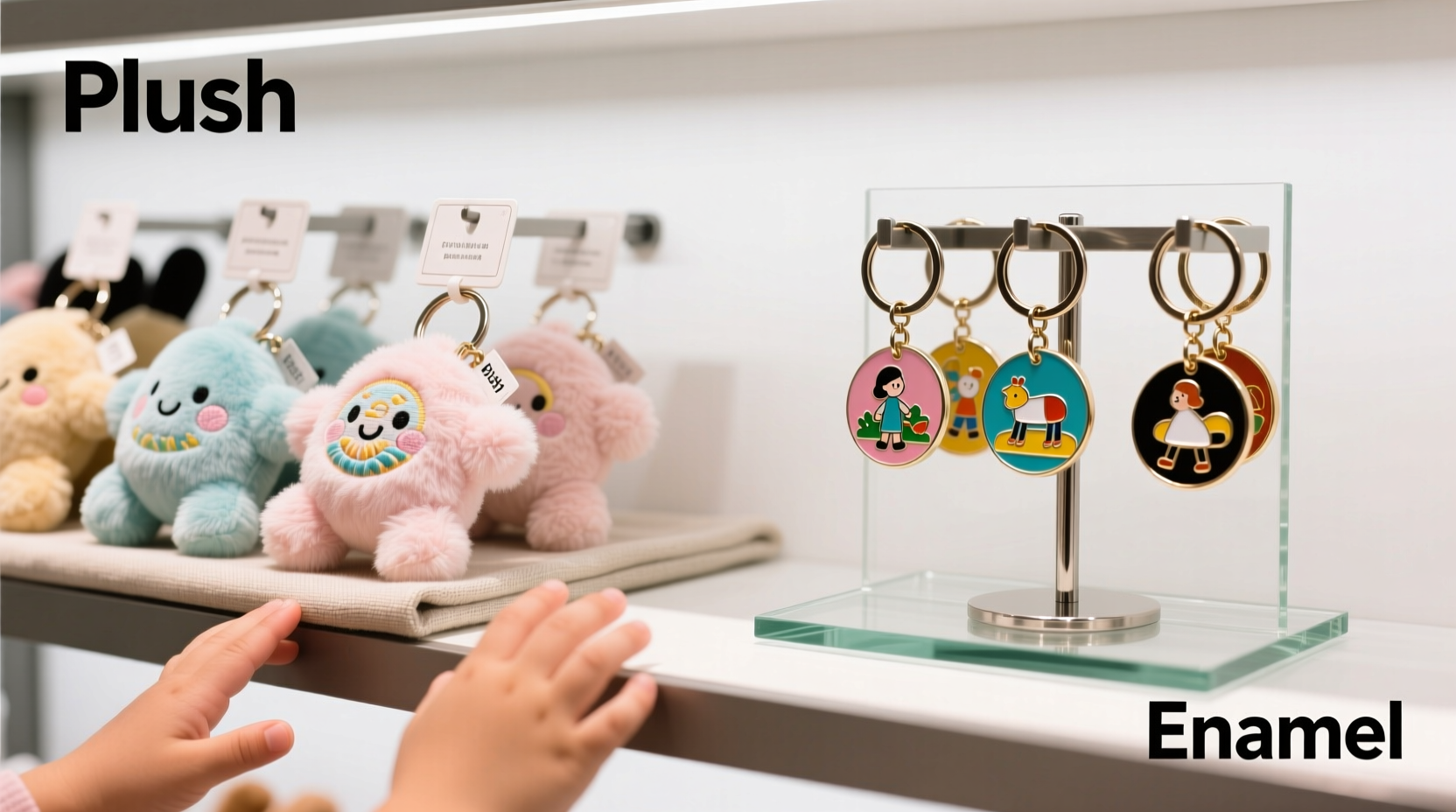
Plush keychains—small, stuffed fabric toys attached to keyrings—have surged in popularity, particularly among Gen Z and younger millennials. Their rise correlates with broader cultural movements toward comfort, cuteness (often referred to as “kawaii” culture), and emotional connection with everyday objects.
Brands like Sanrio (Hello Kitty), Disney, and independent creators on platforms like Etsy and TikTok have capitalized on this trend. Limited-edition plush keychains featuring characters like Doraemon, Rilakkuma, or original anime-inspired designs often sell out within minutes of release. Their tactile softness, expressive faces, and portability make them ideal for attaching to backpacks, zippers, or phone cases—not just keys.
One reason for their dominance in casual markets is versatility. Unlike rigid enamel pins or keychains, plush variants can be squeezed, hugged, or used as stress-relief tools. This emotional utility adds value beyond aesthetics, making them more than just accessories—they become companions.
Enamel Keychains: Still Relevant in Niche and Premium Markets
Despite the plush boom, enamel keychains remain a staple in certain circles. These hard-enamel or soft-enamel metal pieces are prized for their precision detailing, vibrant colors, and long-term durability. Often associated with punk fashion, band merch, corporate branding, or high-end collaborations, enamel keychains maintain a loyal following.
“Enamel keychains offer a level of permanence and polish that fabric simply can’t replicate,” says Marcus Lin, product designer at BadgeCraft Studios.
“They’re not just accessories—they’re tiny works of art. Collectors care about finish, weight, and craftsmanship, which enamel delivers consistently.”
Industries such as tech startups, music festivals, and political campaigns still heavily rely on enamel keychains for promotional giveaways due to their professional appearance and longevity. A well-made enamel piece can last decades without fading or deforming, unlike plush alternatives that may wear down from friction or moisture exposure.
Comparing Plush vs Enamel: A Side-by-Side Breakdown
| Feature | Plush Keychains | Enamel Keychains |
|---|---|---|
| Material | Fabric, stuffing (polyester fiberfill) | Metal base with enamel coating |
| Durability | Moderate – prone to fraying, stains, compression | High – resistant to scratches, water, UV |
| Aesthetic Appeal | Cute, whimsical, tactile | Polished, detailed, retro/vintage |
| Price Range | $3–$25 (mass-produced to limited editions) | $5–$40+ (higher for artist collabs) |
| Target Audience | Teens, young adults, kawaii fans | Collectors, professionals, subcultures |
| Lifespan | 6 months to 3 years with regular use | 5+ years, often decades |
Market Trends: What Are People Actually Buying?
Data from e-commerce platforms like Amazon, Etsy, and Redbubble show a clear split. Plush keychains dominate search volume and unit sales, especially during holiday seasons and anime convention periods. Searches for “cute plush keychain” grew over 60% between 2021 and 2023, according to Google Trends, while “enamel pin keychain” remained stable but flat.
However, stability doesn’t mean decline. Enamel keychains continue to see strong demand in collector communities. Platforms like eBay and specialized forums report rising resale values for vintage enamel pieces from the '90s and early 2000s. Limited-run enamel keychains from brands like Nintendo, Supreme, or independent artists regularly fetch $50–$150 at auction.
A mini case study illustrates this duality: At Anime Expo 2023, a booth selling handmade plush keychains sold 800 units in three days, mostly to attendees under 25. Meanwhile, a neighboring vendor offering hand-numbered enamel keychains limited to 200 pieces sold out in under four hours—primarily to buyers aged 28–45 who specifically sought display-worthy collectibles.
This suggests two parallel markets: one driven by emotion, accessibility, and trendiness (plush), and another rooted in craftsmanship, rarity, and permanence (enamel).
How to Choose: A Practical Checklist
Whether you're buying for yourself, gifting, or sourcing for a brand, consider these factors before deciding between plush and enamel:
- Purpose: Is it for daily use, emotional comfort, or collection/display?
- Audience Age: Younger users tend to prefer plush; older audiences may appreciate enamel's sophistication.
- Budget: High-quality plush can cost as much as entry-level enamel, but true artisan enamel pieces command premium prices.
- Environment: Will it be exposed to rain, sweat, or rough handling? Enamel wins in durability.
- Brand Alignment: Cute, playful brands suit plush; edgy, retro, or professional brands align better with enamel.
Future Outlook: Coexistence Over Replacement
The narrative that “plush is taking over” oversimplifies a nuanced market. While plush keychains have captured mainstream attention and dominate social media visibility, enamel remains deeply embedded in specific niches. Rather than replacement, we’re seeing segmentation.
Manufacturers are responding by diversifying. Some companies now offer dual-line releases: a plush version for mass appeal and an enamel variant for collectors. For example, a recent collaboration between a popular indie game studio included a $12 pastel fox plush keychain and a $28 metallic enamel version with glow-in-the-dark elements—both sold out independently.
Moreover, hybrid designs are emerging. “Soft enamel” techniques now incorporate rubberized coatings for texture, while some plush keychains include small metal charms or embroidered enamel-style patches to bridge the aesthetic gap.
FAQ
Are enamel keychains worth collecting?
Yes, especially limited editions, artist collaborations, or vintage pieces. Well-preserved enamel keychains can appreciate in value over time, particularly if tied to defunct brands, rare events, or cult pop culture moments.
Can plush keychains be washed?
Most can be spot-cleaned with mild soap and water, but machine washing is risky. Always check care labels. Air dry thoroughly to prevent mold or stuffing clumping.
Why are some enamel keychains so expensive?
Costs reflect tooling, labor, materials, and edition size. Small-batch enamel keychains require custom molds and hand-filling, which drives up production costs. Artist royalties and licensing fees also contribute.
Conclusion: It’s Not Either/Or—It’s Both
The idea that plush keychains are \"taking over\" from enamel misunderstands how consumer preferences evolve. Trends shift, but they rarely erase what came before—they expand the landscape. Plush keychains thrive on emotion, accessibility, and viral appeal, while enamel endures through craftsmanship, resilience, and collectible prestige.
For consumers, this means more choice than ever. For creators and brands, it calls for strategic understanding of audience intent. Whether you reach for a squishy panda or a gleaming metal badge, your keychain says something about you—and both styles have space to speak.




 浙公网安备
33010002000092号
浙公网安备
33010002000092号 浙B2-20120091-4
Comments
No comments yet. Why don't you start the discussion?