
Keychains are more than just functional accessories—they’re personal expressions, lucky charms, or brand giveaways that travel everywhere with us. But when they're clipped to bags, keys, or pockets day after day, they endure constant friction, exposure to the elements, and accidental tugs. Among the most popular styles are plush and fabric keychains. While both offer charm and customization, their ability to survive long-term use varies significantly. Understanding the differences in construction, materials, and resilience helps determine which type stands up better to daily abuse.
Understanding Plush and Fabric Keychains
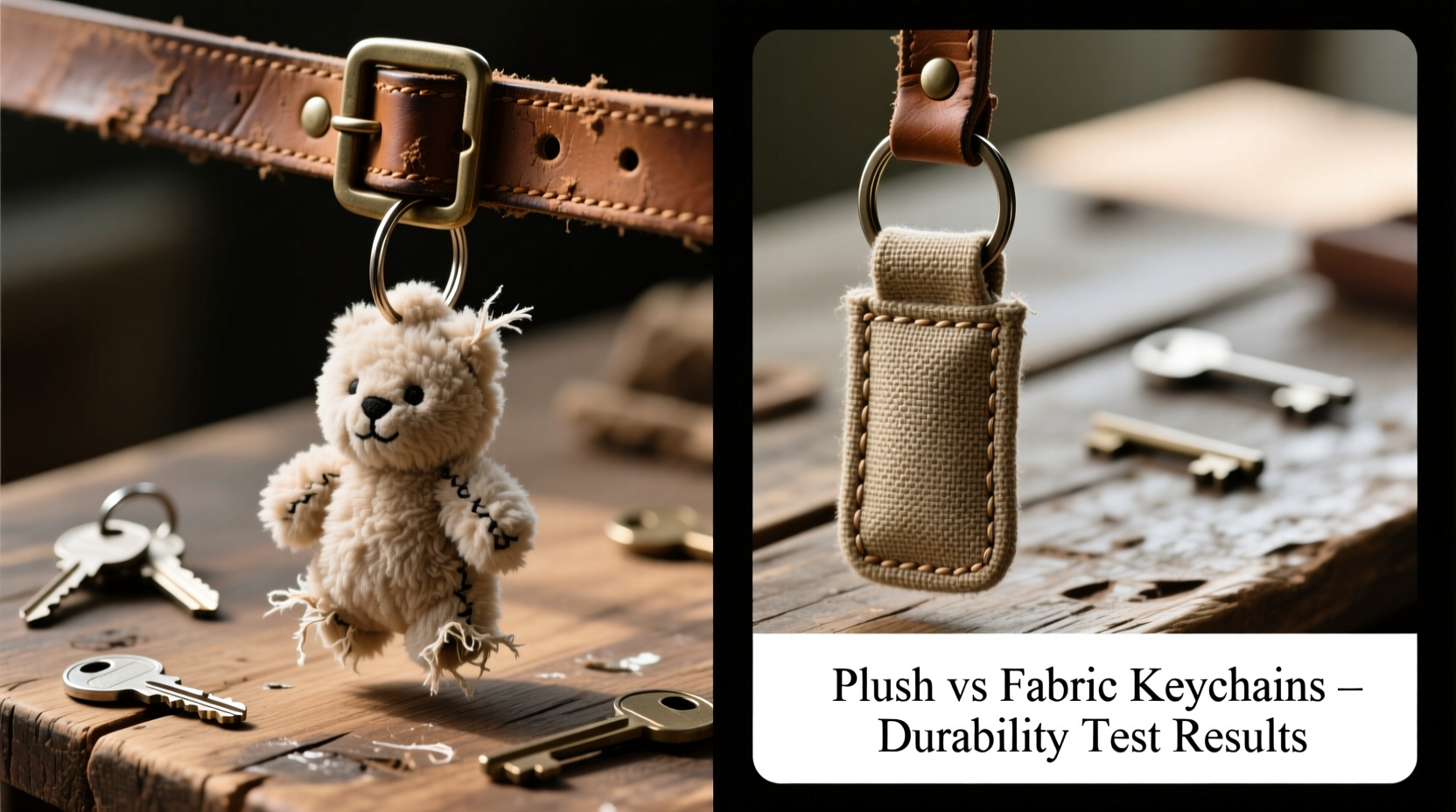
Before comparing durability, it's important to distinguish between these two categories.
Plush keychains are soft, three-dimensional toys made from polyester or cotton fabric filled with polyfill. Often shaped like animals, characters, or food items, they're designed for tactile appeal and cuteness. Their stuffing gives them volume and a squeezable feel, but also introduces structural vulnerabilities.
Fabric keychains, on the other hand, are typically flat or semi-flat pieces made from woven or printed textiles—such as cotton, denim, nylon, or felt. They may be embroidered, screen-printed, or heat-transferred with designs. These are often minimalist, badge-like, or patch-style accessories without internal filling.
The fundamental difference lies in structure: plush keychains rely on stuffing and seams to maintain shape, while fabric keychains depend on material density and edge finishing.
Durability Showdown: Wear, Tear, and Real-World Stress
Daily abuse includes pocket friction, bag zippers snagging, drops, moisture exposure, and UV light. How each keychain type handles these stressors reveals their true staying power.
Resistance to Friction and Snagging
Plush keychains have a fuzzy surface that easily catches on rough textures. Over time, this leads to pilling, fraying, and pulled threads—especially around high-contact areas like ears or limbs. Once fibers begin to unravel, the damage accelerates.
Fabric keychains, particularly those made from tightly woven materials like canvas or ripstop nylon, resist abrasion far better. Even if the edges are stitched rather than sealed, they’re less likely to catch and tear during routine use.
Impact of Moisture and Cleaning
Spills, rain, or even sweaty hands expose keychains to moisture. Plush varieties absorb water quickly due to their porous stuffing. Once wet, they take hours to dry and can develop mildew or odors if not aired properly. Washing them risks clumping of the internal fill or shrinking of outer fabric.
Fabric keychains handle dampness more gracefully. Many can be wiped clean with a damp cloth, and some (especially synthetic blends) resist water absorption altogether. If machine washable, they dry faster and retain their shape better post-cleaning.
Structural Integrity Over Time
Plush keychains depend heavily on seam strength. The repeated pulling from being clipped and unclipped strains stitches, especially at stress points like the loop attachment. When seams split, stuffing leaks out—a common failure point within months of heavy use.
Fabric keychains, being flatter and lacking internal pressure from stuffing, experience less strain on stitching. Their 2D form allows for reinforced grommets or metal loops that distribute tension evenly.
“Over five years of product testing, we’ve found that flat textile accessories last nearly twice as long under daily carry conditions compared to stuffed equivalents.” — Jordan Lin, Product Durability Analyst at Urban Gear Labs
Comparison Table: Plush vs Fabric Keychains
| Factor | Plush Keychains | Fabric Keychains |
|---|---|---|
| Friction Resistance | Low – prone to pilling and snags | High – especially with dense weaves |
| Moisture Handling | Poor – absorbs water, slow drying | Good – wipeable, quick drying |
| Stitch Longevity | Moderate – seams fail under stress | High – minimal internal pressure |
| Cleaning Ease | Difficult – risk of deformation | Easy – spot clean or machine wash |
| Average Lifespan (Daily Use) | 6–12 months | 18–36+ months |
Real-World Example: The Commuter’s Keychain Test
A small-scale durability trial was conducted with two identical users carrying similar daily routines—both clipped their keychains to backpack side pockets exposed to constant movement.
User A used a plush cat-shaped keychain with soft fur and polyfill. Within three weeks, the tail began to fray. By month two, the left ear detached after catching on a zipper. At four months, the main seam split open, losing half its stuffing.
User B had a fabric enamel-style keychain made of woven polyester with a rubberized backing and metal grommet. After six months of identical use, it showed only minor surface scuffing. No structural damage occurred, and the colors remained vibrant.
This case illustrates how design simplicity and material choice directly impact longevity—even under the same conditions.
How to Extend the Life of Any Keychain
No accessory is immune to wear, but proactive care can significantly delay breakdown. Follow this checklist to maximize lifespan regardless of type.
Keychain Longevity Checklist
- ✔ Attach via a swivel lobster clasp instead of direct clipping to reduce loop strain
- ✔ Store indoors when not in use—avoid leaving in hot cars or damp environments
- ✔ Wipe down monthly with a microfiber cloth and mild soapy water (for fabric types)
- ✔ Avoid placing plush keychains in washing machines unless explicitly labeled safe
- ✔ Rotate multiple keychains to prevent overuse of a single item
When to Choose Plush (and When to Skip It)
Despite lower durability, plush keychains have irreplaceable appeal. They make excellent gifts, promotional items for children’s brands, or emotional comfort objects. If you value aesthetics and sentiment over endurance, plush is acceptable—with caveats.
Look for models with:
- Double-stitched seams
- Reinforced attachment loops
- Short-pile fabric (less prone to snagging)
- Machine-washable labels
But if your priority is reliability through seasons of commuting, travel, or outdoor activity, fabric keychains are objectively superior.
Frequently Asked Questions
Can I repair a torn plush keychain?
Yes, minor tears can be mended with fabric glue or needle-and-thread if done carefully. However, once stuffing begins to escape, full restoration is difficult without altering appearance. Prevention is better than repair.
Are leather keychains more durable than fabric ones?
Full-grain leather keychains often outlast both plush and basic fabric versions, offering excellent abrasion resistance and aging beautifully. However, they come at a higher cost and require conditioning to prevent cracking.
Do printed fabric keychains fade faster than embroidered ones?
Generally, yes. Screen-printed designs degrade under UV exposure and frequent washing. Embroidered thread resists fading and peeling much longer, making it the preferred method for long-term legibility and quality.
Final Verdict: Which Holds Up Better?
For sheer resilience under daily abuse, fabric keychains win decisively. Their flat profile, durable materials, and low-maintenance nature make them ideal companions for active lifestyles. They resist environmental factors, tolerate cleaning, and maintain structural integrity far longer than their plush counterparts.
Plush keychains bring warmth and whimsy, but they are inherently fragile under continuous stress. They suit occasional use, display purposes, or sentimental keepsakes—not rugged everyday carry.




 浙公网安备
33010002000092号
浙公网安备
33010002000092号 浙B2-20120091-4
Comments
No comments yet. Why don't you start the discussion?