
Keychains may seem like small accessories, but they carry both functional and emotional weight. Whether clipped to your keys, bag, or used as a sentimental keepsake, the material you choose affects how long it lasts and how well it holds up over time. Plush (or squishy) keychains have surged in popularity for their soft texture and playful designs, while leather remains a classic choice for durability and sophistication. But when it comes to longevity, which one truly wins? The answer isn’t as straightforward as it seems.
The Rise of the Squishy Keychain
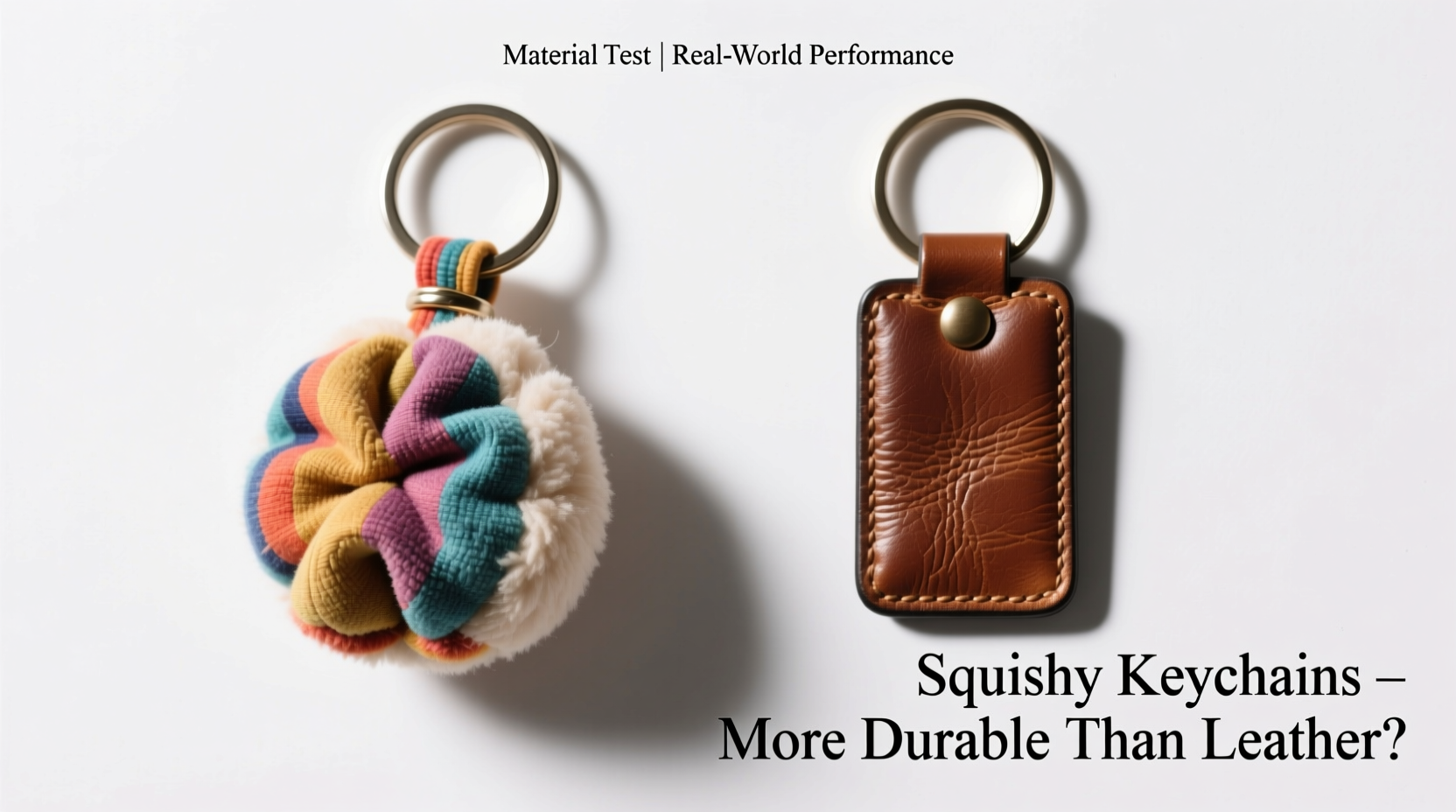
Plush keychains—often made from polyester, PVC, or TPU—are designed to be tactile, lightweight, and visually appealing. They’re frequently shaped like animals, food items, or pop culture icons, making them popular among younger consumers and gift-givers. Their softness gives a comforting feel, and many are filled with gel or foam to enhance the \"squishy\" experience.
While plush keychains excel in aesthetics and sensory appeal, their durability is often questioned. These materials can degrade under prolonged exposure to sunlight, moisture, or friction. Over time, seams may split, colors fade, and surfaces become sticky or brittle—especially in cheaper variants.
Leather Keychains: Timeless Toughness
Leather has long been associated with resilience and elegance. Genuine leather keychains are typically crafted from cowhide, lambskin, or buffalo hide, treated with tanning processes that improve water resistance and tensile strength. When properly maintained, leather develops a patina—a natural aging process that enhances character without compromising integrity.
Unlike plush counterparts, leather keychains resist tearing and abrasion better. They handle daily jostling in pockets or bags without losing shape. However, leather isn’t indestructible. Prolonged exposure to moisture can lead to mold, and low-quality bonded leather may peel or crack within months.
“High-grade leather, especially full-grain, can last decades with minimal care. It’s not just about toughness—it’s about how the material evolves.” — Daniel Reeves, Artisan Leatherworker & Founder of Heritage Straps Co.
Material Showdown: Durability Compared
To understand which keychain type stands the test of time, consider how each handles common stressors:
| Factor | Plush/Squishy Keychains | Leather Keychains |
|---|---|---|
| Tensile Strength | Low – prone to tearing at stress points | High – resists stretching and breaking |
| UV Resistance | Poor – colors fade quickly in sun | Moderate to Good – fades slowly, develops patina |
| Water Resistance | Fair (if sealed) – surface may become sticky | Good (with conditioning) – repels moisture when treated |
| Abrasion Resistance | Low – fabric wears down with friction | High – withstands constant rubbing |
| Lifespan (Average) | 6–18 months | 3–10+ years |
| Maintenance Needs | Minimal – spot clean only | Moderate – periodic conditioning required |
The data shows that leather generally outperforms plush in nearly every durability category. Yet, plush keychains aren't entirely fragile—they serve best as short-term companions or decorative pieces rather than heavy-duty tools.
Real-World Example: A Year in the Life of Two Keychains
Sophia, a college student, bought two keychains at the start of her freshman year: a pastel unicorn plush keychain and a minimalist brown leather tag engraved with her initials.
Within three months, the unicorn’s seam began to split after being dropped repeatedly and carried in her overstuffed backpack. By month six, the surface had dulled and one ear detached. She replaced it twice over the year.
In contrast, the leather keychain developed a richer tone, survived rain-soaked commutes, and remained intact despite daily use. After a single application of leather conditioner in winter, it looked better than new. At year-end, only the metal hardware showed minor tarnishing.
This case illustrates a broader trend: plush keychains often prioritize charm over endurance, while leather balances form and function for long-term reliability.
When Plush Might Actually Last Longer
There are exceptions. High-end plush keychains made with reinforced stitching, UV-resistant coatings, and premium TPU shells can rival lower-tier leather products. Brands specializing in collectible squishies use thicker seams and non-toxic gels that resist degradation.
Additionally, if a plush keychain is treated as a display item—rarely handled, kept indoors, and protected from elements—it may outlast a poorly cared-for leather piece exposed to sweat, rain, and neglect.
The real issue isn’t the material itself, but how it’s used and maintained. A $5 novelty plush tossed into a gym bag will fail faster than a $20 genuine leather key fob, but a curated, high-quality plush stored carefully could easily surpass a cheap bonded leather alternative.
Step-by-Step Guide: Maximizing Keychain Longevity
- Assess Your Usage Pattern: Do you carry keys in a pocket, bag, or hang them on a hook? High-motion environments demand tougher materials.
- Choose Material Wisely: Opt for full-grain leather or high-density TPU plush depending on need—durability vs. comfort.
- Inspect Stitching and Hardware: Look for double-stitched seams and nickel-plated or stainless-steel rings.
- Condition Leather Every 3–6 Months: Use a pH-balanced leather balm to prevent drying and cracking.
- Clean Gently: Wipe plush surfaces with a damp cloth; never machine wash. For leather, use a specialized wipe.
- Store Properly: Keep unused keychains in breathable pouches away from heat and humidity.
Checklist: Choosing the Right Keychain for You
- ✅ Define your primary goal: decoration, sentiment, or utility?
- ✅ Consider how often you’ll handle it daily
- ✅ Check material quality—not all “leather” is genuine; not all “plush” is durable
- ✅ Evaluate climate: humid areas favor treated leather; dry climates may cause plush to stiffen
- ✅ Set a maintenance expectation: are you willing to condition leather occasionally?
- ✅ Test weight: heavier keychains add bulk to your pocket or bag
Frequently Asked Questions
Can I make my plush keychain last longer?
Yes. Avoid extreme temperatures, clean gently with a microfiber cloth, and store it in a cool, dry place when not in use. Some users apply a light silicone spray (tested on a small area first) to protect against moisture.
Is vegan leather a good middle ground?
It depends. Many vegan leathers are made from polyurethane (PU), which offers decent durability and resists moisture better than fabric. However, it lacks the breathability and aging qualities of real leather and may crack after 1–2 years of heavy use.
Do leather keychains scratch phones or devices?
Rarely. Most leather keychains have smooth finishes and rounded edges. If concerned, opt for models with fabric linings or use a protective sleeve on your phone.
Final Thoughts: Function Meets Personality
The debate between plush and leather keychains ultimately comes down to purpose. If you value emotional connection, whimsy, or seasonal flair, a squishy keychain brings joy—even if it doesn’t last forever. But if you're looking for something that endures daily wear, resists damage, and ages gracefully, leather is the superior choice in terms of raw durability.
That said, the most durable keychain is the one you treat well. Even the finest leather will fail under neglect, just as a well-loved plush can surprise you with its staying power. Choose based on lifestyle, expectations, and how much care you’re willing to invest.




 浙公网安备
33010002000092号
浙公网安备
33010002000092号 浙B2-20120091-4
Comments
No comments yet. Why don't you start the discussion?