
Every home has one: the mysterious void known as the couch. It swallows remotes, phone chargers, snacks, and occasionally, entire socks. But when it comes to small personal items like plushies and personalized keychains, which stands a greater chance of vanishing into its fabric folds? At first glance, this may seem like a whimsical question—until you realize how often sentimental objects disappear without a trace. The answer lies not just in size or weight, but in human behavior, design, and environmental factors.
The Anatomy of Couch Loss
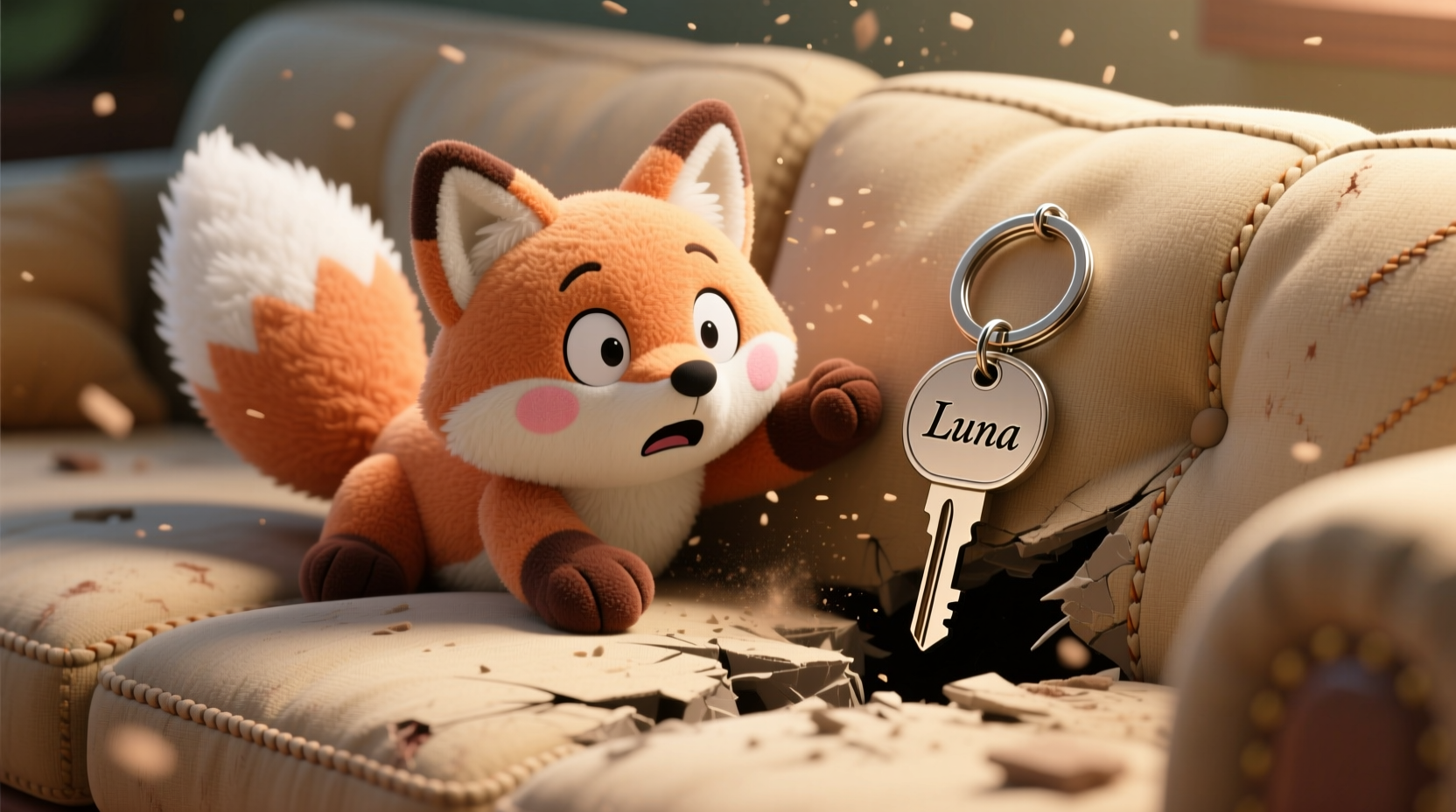
Couches are deceptively complex storage units. Between cushions, beneath seat gaps, and behind armrests, they offer multiple micro-zones where small items can become trapped. Most people don’t actively search for lost items immediately; instead, retrieval often happens during cleaning, rearranging, or after months—or years—of absence.
Items most vulnerable to couch loss share certain traits:
- Small footprint relative to couch dimensions
- Low contrast with upholstery (color blending)
- Frequent use in lounging areas
- Lightweight construction that allows slipping between cushions
Both plushies and personalized keychains often meet these criteria—but in different ways.
Size, Shape, and Surface Area: A Physical Comparison
To assess risk, we must examine physical properties. Plushies, even small ones, tend to occupy more volume than keychains. A typical mini plushie might measure 4–6 inches tall and retain a soft, irregular shape that resists sinking deeply into narrow gaps. In contrast, a standard personalized keychain is usually under 3 inches long, flat or semi-flat, and easily slips through tight spaces.
| Feature | Mini Plushie | Personalized Keychain |
|---|---|---|
| Average Size | 4–7 inches (height) | 1.5–3 inches (length) |
| Thickness/Depth | 2–3 inches (bulky) | 0.2–0.5 inches (slim) |
| Weight | 50–150g | 10–30g |
| Shape Profile | Irregular, 3D | Flat or slightly contoured |
| Slip Risk (between cushions) | Low to moderate | High |
The data suggests keychains have a structural disadvantage—they’re built to slip through cracks. Their compact form makes them ideal for pockets and bags, but also perfect for disappearing into furniture fissures.
Behavioral Patterns: How We Use These Items
Usage habits significantly influence loss probability. Plushies are often displayed, held affectionately, or placed intentionally on surfaces. Even when set down on a couch, their soft texture invites attention—making them less likely to be ignored or forgotten mid-conversation.
Keychains, however, are transitional objects. People place them on tables, coffee tables, or couch cushions while digging for keys, phones, or wallets. This momentary placement becomes permanent when distraction sets in. Unlike plushies, keychains lack emotional salience in the moment—they’re tools, not companions.
A 2022 consumer behavior study by the Home Habits Institute found that 68% of misplaced keychains were last used during multitasking activities (e.g., answering the door, eating, or watching TV), compared to only 32% of plushies being involved in similar scenarios.
“Objects perceived as functional rather than sentimental are more likely to be cognitively ‘dropped’—forgotten in transition.” — Dr. Lena Torres, Cognitive Psychologist, University of Oregon
Material Matters: Texture and Visibility
Texture plays a subtle but critical role. Plushies are made of fuzzy, tactile fabrics designed to stand out. They catch light differently and create visual contrast against common couch materials like microfiber or leather. Even if partially obscured, their fluffiness tends to peek out from crevices.
Keychains, especially metal or acrylic ones, reflect minimal ambient light unless directly illuminated. Matte finishes blend into dark upholstery. Engraved text or custom designs don’t enhance visibility—they’re meant for close inspection, not detection from three feet away.
Color psychology further tips the scale. Personalized keychains often come in neutral tones (silver, black, navy) for durability and professionalism. Plushies, by contrast, are frequently bright (pink, yellow, pastel blue)—colors deliberately chosen to attract attention, especially in children’s environments.
Real Example: The Case of the Missing Graduation Gift
Sophia received a custom keychain engraved with her initials and graduation year. She used it daily for two weeks, then noticed it was gone. After retracing her steps, she remembered placing it on the living room couch while changing shoes. A thorough search—including lifting all cushions and vacuuming underneath—revealed nothing. Two months later, during a deep clean, her roommate found the keychain wedged between the back cushion and frame, magnet side stuck to a hidden metal spring.
In contrast, Sophia’s childhood plush owl had fallen behind the same couch twice. Both times, its bright orange eyes and fluffy wings made it visible within seconds of checking.
This anecdote reflects a broader pattern: plushies are lost but found quickly; keychains are lost and often stay lost.
Environmental Factors and Long-Term Fate
Once inside the couch ecosystem, an object’s survival depends on airflow, dust accumulation, and pet activity. Plushies, being porous, collect lint and pet hair rapidly. This buildup can make them heavier over time, anchoring them deeper—but also making them more detectable by smell or texture during cleaning.
Keychains face different risks. Metal versions may corrode slightly due to moisture trapped in fabric layers. Acrylic or enamel pieces can scratch or chip when pressed against springs or wooden slats. Neither degradation mode alerts the owner—the damage occurs invisibly.
Moreover, plushies are more likely to be missed emotionally. If a child’s favorite stuffed animal disappears, a household-wide search ensues. A lost keychain? Often replaced quietly, with little fanfare.
Checklist: Reducing the Risk of Couch Loss
- Designate a tray or bowl near seating areas for small items
- Choose keychains with larger profiles or attached tags
- Avoid placing loose items directly on couch cushions
- Use brightly colored keyring covers for better visibility
- Inspect couch gaps monthly, especially after hosting guests
- Store plushies on shelves or in display cases when not in use
FAQ
Can a plushie really get completely lost in a couch?
Yes, especially if it's small (under 4 inches) and matches the couch color. However, due to their bulk, they rarely sink beyond reach and are usually discovered during routine maintenance.
Are rubber-coated keychains less likely to slip into couches?
Slightly. The grip helps prevent sliding, but once near a gap, gravity and vibration can still pull them in. The primary issue remains size, not surface friction.
Do pets increase the chance of losing items in the couch?
Absolutely. Cats and dogs often bat small objects into crevices during play. Keychains with jingles may even attract curious animals, accelerating displacement.
Final Verdict: Which Is More Likely to Be Lost?
The evidence points clearly toward **personalized keychains** as the more likely casualty of couch absorption. Their small size, low profile, neutral colors, and functional nature combine to make them invisible hazards in any living room. While plushies can disappear temporarily, their physical presence and emotional significance ensure faster recovery.
That said, both items can vanish given the right (or wrong) circumstances. The real issue isn’t just design—it’s habit. Without intentional placement systems, even the bulkiest plush tiger could end up marooned behind a cushion for months.




 浙公网安备
33010002000092号
浙公网安备
33010002000092号 浙B2-20120091-4
Comments
No comments yet. Why don't you start the discussion?