
Instant photography has seen a resurgence in recent years, driven by nostalgia, simplicity, and the tactile joy of holding a physical photo moments after it’s taken. Two major players dominate the market: Polaroid and Fujifilm Instax Mini. While both deliver instant prints, their film formats, pricing, and photo quality differ significantly. For photographers, hobbyists, or casual users deciding which system to invest in, understanding these differences is essential. This guide compares Polaroid and Instax Mini films across cost, print quality, durability, and usability to help you make an informed decision.
Film Format and Compatibility
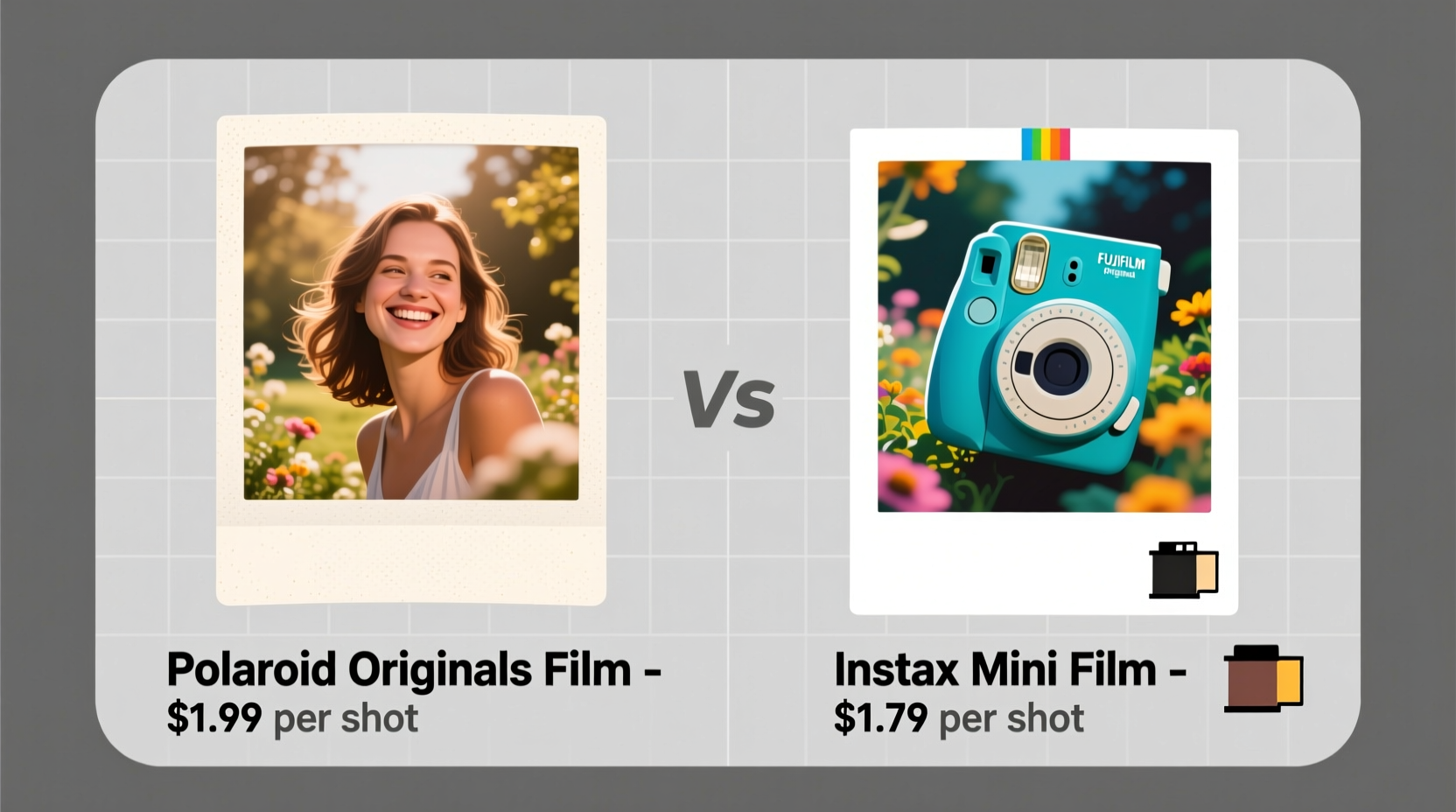
Polaroid and Instax Mini use entirely different film systems. Polaroid Originals (now simply branded as Polaroid) produces 3.1 x 3.1-inch square prints using i-Type or 600 film. These are compatible with Polaroid Now, Polaroid Lab, and older models like the OneStep+ series. In contrast, Fujifilm Instax Mini uses a smaller 2.1 x 3.4-inch rectangular format, designed for compact cameras such as the Instax Mini 11, Mini LiPlay, and hybrid devices.
The size difference affects not just aesthetics but also how much visual information each photo captures. The Polaroid frame offers more space for composition, while the Instax Mini’s elongated shape fits better in wallets and standard photo albums. However, neither film type is interchangeable—cameras are strictly format-specific.
Cost Comparison: Film Price Per Sheet
One of the most critical factors for regular users is cost per print. Instant film isn’t cheap, and over time, expenses add up quickly. Here's a current market-based comparison of average prices (as of 2024):
| Film Type | Pack Size | Average Price (USD) | Price Per Sheet | Camera Compatibility |
|---|---|---|---|---|
| Polaroid i-Type | 8 sheets | $19.99 | $2.50 | Polaroid Now, Now+, Go |
| Polaroid 600 (with battery) | 8 sheets | $24.99 | $3.12 | Classic models, OneStep+ |
| Instax Mini (Fujifilm) | 10 sheets | $17.99 | $1.80 | All Instax Mini cameras |
| Instax Mini (Third-party) | 10 sheets | $12.99 | $1.30 | All Instax Mini cameras |
As shown, Instax Mini film is significantly cheaper per sheet—especially when using third-party brands like Polaroid-branded \"Snap\" film, Lomography, or Kodak. These alternatives offer similar performance at lower costs, though quality consistency may vary.
Polaroid film remains premium-priced due to its larger format and integrated development chemistry. Additionally, i-Type film lacks a built-in battery (unlike 600 film), making it slightly less expensive but only usable in newer Polaroid models that power themselves.
“From a cost-efficiency standpoint, Instax Mini is the clear winner for high-volume shooters. But if you value larger prints and richer branding, Polaroid justifies its price for many.” — David Lin, Analog Photography Reviewer
Photo Quality: Sharpness, Color, and Exposure
Image quality is where personal preference plays a major role. Both systems use analog chemical processes, so results vary based on lighting, distance, and camera settings. However, consistent trends emerge from user testing and lab comparisons.
Sharpness and Detail
Instax Mini prints tend to exhibit softer focus, especially around edges and fine textures. This is partly due to the small negative size and lens limitations in entry-level cameras. Higher-end models like the Mini Evo improve sharpness with dual lenses and manual modes, but even then, detail retention lags behind Polaroid.
Polaroid film benefits from a larger image area and generally superior optics in modern cameras. Photos display better mid-tone definition and edge clarity, particularly in well-lit environments. However, shadows can appear muddy, and dynamic range is limited compared to digital sensors.
Color Accuracy and Saturation
Fujifilm Instax film is known for warm, vibrant tones. Reds and skin tones are often punchy, sometimes leaning toward orange under artificial light. Greens and blues are accurate in daylight but may shift indoors without flash correction. Newer Instax film formulations have reduced yellow casts common in earlier batches.
Polaroid film delivers a cooler, more neutral palette. Whites stay cleaner, and blues render naturally. However, some users report inconsistent magenta or green tints in low-light conditions. Polaroid has improved batch-to-batch consistency since re-launching in 2017, but minor color shifts still occur.
Exposure and Dynamic Range
Both systems struggle with high-contrast scenes. Highlights blow out easily, and shadows lose detail. Instax cameras typically rely on automatic exposure and fixed-aperture lenses, offering little user control. Some models include brightness dials, but adjustments are coarse.
Polaroid’s newer cameras (e.g., Now+, OneStep+) allow basic exposure compensation via a switch. When used correctly, this helps balance backlit subjects. However, metering remains rudimentary, and indoor shots often require supplemental lighting to avoid grainy, underexposed results.
Real-World Performance: A Mini Case Study
Sophia, a wedding planner in Portland, uses instant cameras to provide guests with keepsakes during ceremonies. She tested both systems over three events:
- Event 1: Outdoor garden wedding at noon. Used Instax Mini 11. Prints were vibrant and quick to develop, but several faces were overexposed due to strong sunlight.
- Event 2: Indoor reception with dim chandeliers. Switched to Polaroid Now+. Flash produced harsh shadows, but overall exposure was more balanced than expected. Guests preferred the larger print size.
- Event 3: Sunset beach vow renewal. Tried Instax Mini Evo with manual mode. Adjusted brightness and used selfie mirror. Results showed best color balance and acceptable sharpness.
Sophia concluded that while Instax is more affordable and portable, Polaroid offers better perceived quality for formal events. She now carries both: Instax for casual gatherings and Polaroid for premium client experiences.
Durability and Longevity of Prints
Once developed, how well do prints hold up over time? Both films use peel-free, integral development processes with protective layers. However, long-term stability differs.
Instax prints are highly sensitive to UV light and heat. Prolonged sun exposure causes fading within months, especially in reds and yellows. Fujifilm recommends storing prints in albums away from moisture and direct light. Under ideal conditions, they last 5–10 years before noticeable degradation.
Polaroid claims improved archival quality, citing UV-resistant dyes and a thicker protective coating. Independent tests show Polaroid prints retain color better over time, with minimal fading after two years in dark storage. However, all instant prints are inherently less stable than traditional silver-halide photos.
Print Handling Tips
- Wait at least 30 seconds before touching the image surface.
- Avoid pressing fingers onto the developing area to prevent smudging.
- Store prints vertically in acid-free sleeves to prevent sticking.
- Keep away from plastic binders that can trap moisture and cause warping.
“All instant prints will degrade eventually. The key is minimizing environmental stressors. Think of them like Polaroids from the '80s—they’re meant to be enjoyed now, not preserved forever.” — Lena Torres, Archival Specialist, Museum of Photographic Arts
Which Should You Choose? A Decision Checklist
Selecting between Polaroid and Instax Mini depends on your priorities. Use this checklist to guide your choice:
- ✅ Budget-conscious? → Choose Instax Mini, especially with third-party film.
- ✅ Want larger, more artistic prints? → Polaroid’s square format stands out in frames and scrapbooks.
- ✅ Shooting in varied lighting? → Polaroid’s exposure control gives slight edge.
- ✅ Need portability? → Instax Mini cameras are smaller and lighter.
- ✅ Sharing with kids or groups? → Instax is simpler to operate and reload.
- ✅ Collecting or gifting? → Polaroid feels more premium and nostalgic.
If you prioritize affordability and convenience, Instax Mini is the practical choice. If you value print size, brand heritage, and slightly better image fidelity, Polaroid justifies its higher cost.
Frequently Asked Questions
Can I use Instax film in a Polaroid camera?
No. The film formats are physically incompatible. Attempting to insert one into the other will damage the camera or cause jams. Polaroid film is square and larger; Instax Mini is rectangular and narrower.
Why is Polaroid film more expensive?
Polaroid film costs more due to its larger size, proprietary chemistry, and production scale. Fujifilm manufactures Instax film at higher volumes, benefiting from economies of scale. Polaroid also positions itself as a lifestyle brand, contributing to premium pricing.
Do third-party Instax films match Fujifilm quality?
Some third-party options come close, but consistency varies. Brands like Kodak and Polaroid (yes, Polaroid makes Instax-compatible film) offer competitive colors and development speed. However, occasional issues like uneven development, slower ejection, or shorter shelf life have been reported. For critical use, stick with original Fujifilm.
Final Thoughts: Balancing Cost and Quality
The choice between Polaroid and Instax Mini isn’t about which is objectively better—it’s about aligning technology with your needs. Instax Mini wins on cost, availability, and ease of use. It’s ideal for students, travelers, and families who want fun, spontaneous prints without breaking the bank.
Polaroid appeals to those who appreciate the ritual of instant photography—the weight of the camera, the anticipation of the larger print emerging, the subtle imperfections that give each image character. Yes, it’s more expensive, but for many, the experience is worth the premium.
Ultimately, both systems keep the spirit of analog photography alive in a digital world. Whether you choose the economical charm of Instax or the bold presence of Polaroid, you’re choosing moments over megapixels, tangibility over thumbnails.




 浙公网安备
33010002000092号
浙公网安备
33010002000092号 浙B2-20120091-4
Comments
No comments yet. Why don't you start the discussion?