
For home cooks and serious meat enthusiasts, understanding the anatomy of a pork rack and managing spice inventory are foundational skills that directly impact flavor, yield, and cost-efficiency. Whether you're prepping for a weekend barbecue or building a long-term pantry for grilling season, knowing how many ribs are in a standard rack—and how to properly store both raw meat and potent spices—can make the difference between a mediocre meal and a memorable one. Misjudging rib count leads to under-serving guests; poorly stored spices lose potency, undermining even the most carefully seasoned rubs. This guide delivers precise, professional-grade knowledge on pork rib structure and advanced storage strategies for spicy ingredients, ensuring optimal taste, texture, and shelf life.
Definition & Overview: What Is a Pork Rack?
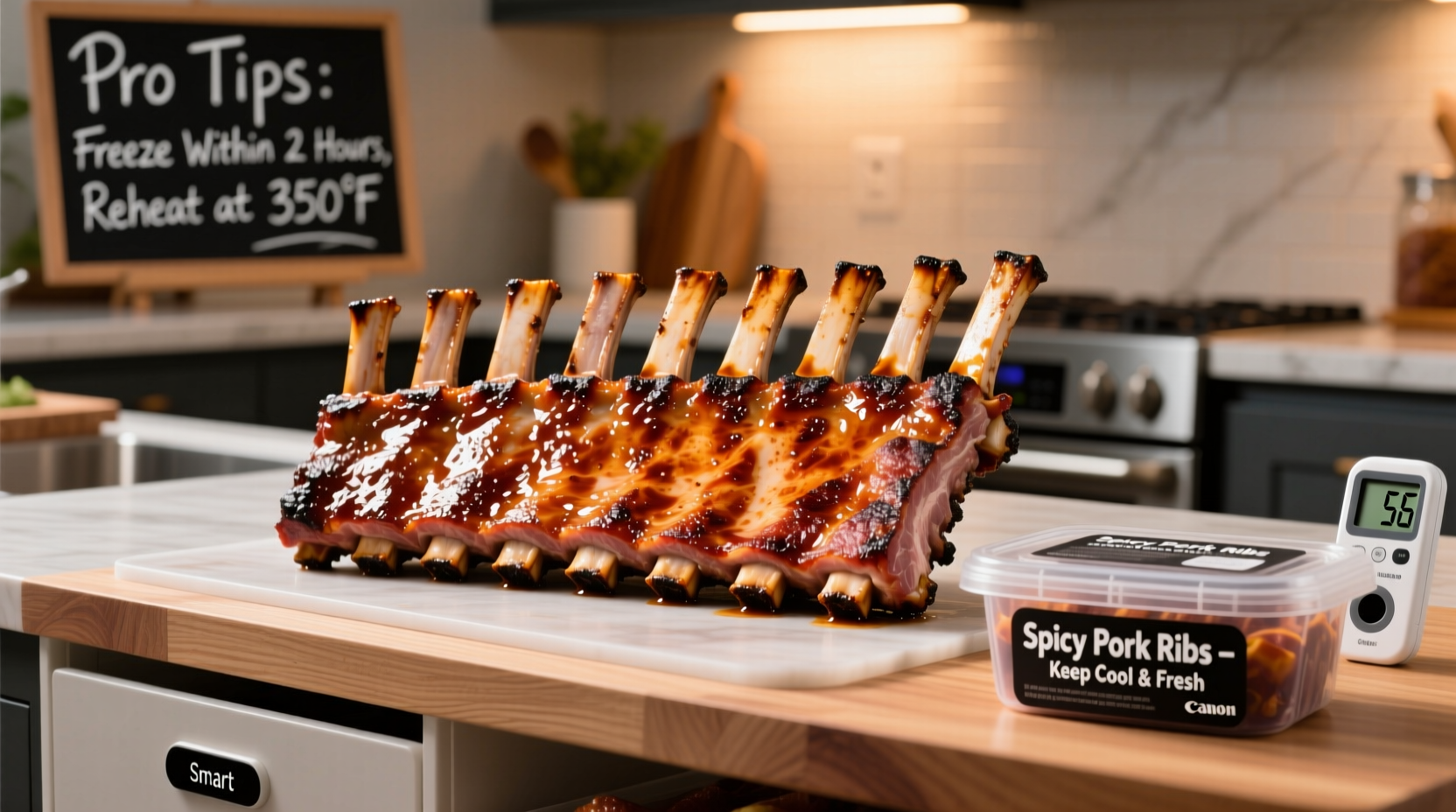
A pork rack, also known as a pork loin rack, is a primal cut taken from the back of the hog, running along the spine from shoulder to hip. It is one of the most premium sections of the animal, prized for its tenderness and rich marbling. The rack includes a series of ribs attached to the loin eye—the same muscle used in pork chops and tenderloin cuts. When left intact, this section can be roasted whole as a crown roast or divided into individual rib chops. More commonly, it's portioned into smaller racks for roasting or grilling.
The term \"rack\" in butchery refers to a connected segment of ribs with the loin muscle still attached. In pork, a full rack typically spans from rib number 4 through 10 or 15, depending on processing standards and regional preferences. Unlike beef short ribs, which come from the plate section, pork ribs from the rack are leaner and more delicate, making them ideal for dry-heat cooking methods such as roasting, searing, and smoking.
Spices used in conjunction with pork ribs—especially chili powders, cayenne, smoked paprika, and crushed red pepper—are often labeled as \"spicy\" components in rubs and marinades. These ingredients degrade quickly if exposed to heat, light, or moisture. Thus, mastering their storage is just as critical as selecting the right cut of meat.
Key Characteristics of Pork Racks and Spicy Ingredients
Pork Rack: Structural and Culinary Traits
- Rib Count: A full pork loin rack contains between 10 and 15 ribs, though 10–12 is most common in U.S. retail settings.
- Weight Range: Typically 2.5 to 4.5 pounds (1.1–2 kg) per full rack.
- Meat Composition: Combines tender loin eye with flavorful rib meat; features intercostal muscles between bones.
- Fat Content: Moderate marbling; fat cap runs along the top, aiding basting during roasting.
- Cooking Method Suitability: Best suited for roasting, reverse searing, grilling, or smoking at controlled temperatures.
- Servings Per Rack: A 10-rib rack serves 2–3 adults when cooked as prime rib-style; yields 4–6 rib chops when frenched.
Common Spicy Ingredients: Flavor and Stability Profile
| Ingredient | Heat Level (Scoville) | Shelf Life (Properly Stored) | Flavor Notes | Vulnerabilities |
|---|---|---|---|---|
| Cayenne Pepper | 30,000–50,000 SHU | 2–3 years | Sharp, pungent, slightly earthy | Light, humidity, oxygen exposure |
| Crushed Red Pepper Flakes | 15,000–25,000 SHU | 1–2 years | Bright, fruity heat with seed bitterness | Moisture absorption, clumping |
| Smoked Paprika (Hot) | 2,500–8,000 SHU | 1–2 years | Smoky, sweet, moderately hot | UV light, oxidation (loses smokiness) |
| Chipotle Powder | 2,500–8,000 SHU | 1.5–2 years | Smoky, raisin-like, medium heat | Moisture, volatile oil loss |
| Ground Habanero | 100,000–300,000 SHU | 6–12 months | Tropical fruit, floral, intense burn | Rapid degradation of volatile compounds |
Practical Usage: How to Use Pork Racks and Manage Spices
Selecting the Right Rack Size
The number of ribs in a pork rack varies by butcher, region, and intended use. A standard commercial rack in the United States usually contains **10 ribs**, starting from the fourth rib behind the shoulder. However, some suppliers sell “full” racks with up to 15 ribs, particularly when catering to restaurants or specialty markets.
To determine what you’re purchasing:
- Ask your butcher whether the rack is “7-bone” or “10-count.”
- Check for the chine bone (spinal column); its presence indicates a less trimmed cut.
- Request Frenching (exposing rib bones by trimming meat) if preparing a showpiece roast.
A typical serving size is 2–3 ribs per person when served as a main course with sides. For appetizer portions (e.g., mini rack lollipops), one rib per guest suffices.
Pro Tip: When buying multiple racks for a large gathering, ensure uniform rib count and weight across all pieces. Inconsistency leads to uneven cooking and presentation issues. Weigh each rack and adjust cooking time accordingly.
Seasoning Strategies with Spicy Rubs
Spicy rubs enhance pork ribs by adding depth and contrast to the meat’s natural sweetness. However, overuse or degraded spices can ruin balance. Follow these guidelines:
- Use Fresh Spices: Replace ground chilies every 12–18 months. Whole dried peppers last longer—up to 3 years if sealed properly.
- Balance Heat with Sweetness: Combine hot elements like cayenne with brown sugar, honey, or maple syrup in a 1:4 ratio (spice to sweetener) for balanced rubs.
- Add Salt Separately: Never rely on salty spice blends. Apply kosher salt before the rub to control sodium levels.
- Layer Flavors: Toast whole spices (cumin, coriander, mustard seed) before grinding to unlock essential oils. Mix with pre-ground chilies only after cooling.
- Apply Early: Season racks at least 1 hour before cooking—or overnight in the refrigerator—to allow flavor penetration.
Example rub for a 10-rib rack (approx. 3.5 lbs):
- 2 tbsp smoked paprika (hot)
- 1 tbsp brown sugar
- 1.5 tsp kosher salt
- 1 tsp garlic powder
- 1 tsp onion powder
- ½ tsp cayenne pepper (adjust to heat preference)
- ¼ tsp ground black pepper
- ¼ tsp ground cumin
Mix thoroughly, apply evenly over the fat cap and sides of the rack, then refrigerate uncovered for 8–12 hours.
Variants & Types: Understanding Rack Configurations
Pork racks are processed in several configurations depending on market demand and culinary application:
| Type | Rib Count | Description | Best Use Case |
|---|---|---|---|
| Full Rack (Standard) | 10 ribs | Most common retail version; includes ribs 4–13 or trimmed equivalent | Roasting, standing rib-style preparation |
| Half Rack | 5 ribs | Portion-cut for single servings or small groups | Grilling, restaurant entrées |
| Jumbo Rack | 12–15 ribs | Includes more posterior ribs; heavier loin muscle | Catering, holiday meals |
| Frenched Rack | 8–10 ribs | Bones cleaned for elegant presentation | Dinner parties, crown roasts |
| Rack Chops (Individual) | 1 rib each | Sold separately; may include part of the loin eye | Pan-searing, quick-cooking dishes |
Note: Some international markets refer to \"rack\" differently. In the UK, a \"rack of pork\" may imply loin chops still connected, while in parts of Asia, rib sections may be sold without the loin muscle.
Comparison with Similar Cuts
Pork ribs are often confused across categories. Clarifying distinctions ensures proper cooking technique and seasoning:
| Cut | Rib Count | Texture & Fat | Cooking Method | Spice Compatibility |
|---|---|---|---|---|
| Pork Loin Rack | 10–15 ribs | Tender, lean with fat cap | Roast, sear, grill | Medium-hot rubs, herb-forward blends |
| Spareribs | 11–13 ribs (full slab) | Fattier, chewier, more connective tissue | Low-and-slow smoking, braising | Bold, sweet-heat rubs; vinegar-based mops |
| St. Louis Ribs | 8–10 ribs | Trimmed spareribs; uniform shape | Grilling, barbecuing | Heavy smoke, molasses-based glazes |
| Country-Style Ribs | N/A (not true ribs) | Cut from shoulder; very fatty | Braising, slow roasting | Robust spices, garlic-heavy profiles |
\"The rack is the filet mignon of the pig. It demands precision—not just in cooking, but in seasoning. One stale pinch of cayenne can dull an entire centerpiece.\" — Chef Elena Ruiz, James Beard nominee and pitmaster
Smart Spicy Storage Tips for Long-Term Potency
Heat and aroma in spices come from volatile oils and capsaicinoids—compounds highly sensitive to environmental factors. Improper storage accelerates degradation, leading to flat flavors and wasted investment.
Optimal Storage Conditions
- Container Type: Use airtight glass jars with tight-sealing lids. Avoid plastic bags or cardboard canisters.
- Location: Store in a cool, dark cabinet away from the stove, oven, or sunlight. Ideal temperature: 60–70°F (15–21°C).
- Humidity Control: Add silica gel packets inside spice drawers or use climate-controlled containers.
-
First In, First Out (FIFO): Label containers with purchase date. Use older spices first.
Advanced Preservation Techniques
Freeze Ground Chilies: Contrary to myth, freezing does not destroy ground spices. Place cayenne, chipotle, or habanero powder in vacuum-sealed bags and freeze for up to 2 years. Thaw at room temperature before use to prevent condensation.
- Whole vs. Ground: Keep whole dried chilies (arbol, guajillo, pequin) and toast them fresh before grinding. This preserves heat and complexity far longer than pre-ground versions.
- Buy in Small Batches: Purchase no more than 6 months’ supply of ground spicy ingredients unless you cook daily.
- Shield from Light: Amber or opaque jars block UV rays that break down carotenoids responsible for color and flavor in paprika and chili powders.
- Avoid Refrigeration (with exception): Cold moisture causes clumping. Only refrigerate spice pastes or blends containing oil or citrus.
Testing Spice Freshness
Before using older spices, perform a sensory check:
- Smell Test: Crush a small amount in your palm. If aroma is faint or musty, discard.
- Taste Test: Sprinkle a pinch on your tongue. Fresh chili should deliver immediate warmth and layered flavor—not just dusty heat.
- Color Check: Faded reds indicate oxidation. Bright crimson or deep burgundy signals vitality.
If any test fails, replace the spice. No recovery method restores lost potency.
Practical Tips & FAQs
How many ribs are in a typical pork rack?
A standard pork rack contains 10 ribs. Butchers may trim it to 8 or extend to 12 based on customer request. Always confirm count before purchase.
Can I cook two racks together?
Yes, but ensure even spacing in the oven or smoker. Rotate pans halfway through for uniform heat exposure. Do not stack racks.
Why did my spicy rub taste bitter?
Bitterness often comes from old or overheated spices. Cayenne and paprika burn easily if added to a hot pan too early. Also, excessive use of red pepper flakes—including seeds—can introduce harsh notes.
Should I remove the membrane on a pork rack?
Unlike spare ribs, the pork loin rack has no thick membrane on the bone side. However, a thin silverskin may cover the fat cap. Remove it with a knife tip to improve rub adhesion and rendering.
Can I reuse opened spice jars?
Yes, but only if they’ve been properly sealed and stored. Never pour spices back into the container from a measuring spoon that touched food—this introduces moisture and bacteria.
What’s the best way to organize a spice drawer for grilling season?
Group by function: “Smoky Heat” (paprika, chipotle), “Sharp Heat” (cayenne, arbol), “Aromatic Base” (garlic, onion, herbs). Use drawer dividers and label clearly. Include a checklist taped inside the drawer: “Check dates: May / Nov.”
Do organic spices last longer?
No. Organic labeling doesn’t affect shelf life. In fact, organic spices without anti-caking agents may clump faster. Store them with extra vigilance.
Summary & Key Takeaways
Understanding pork rack rib count ensures accurate planning, consistent cooking, and professional results. A standard rack holds 10 ribs, serving 2–3 people as a centerpiece. Variants like half-racks or jumbo cuts offer flexibility but require verification to avoid under-serving.
Just as crucial is preserving the integrity of spicy ingredients. Ground chilies lose potency within 12–18 months if exposed to air, light, or heat. Store spices in airtight, opaque containers in a cool, dark place. Freeze high-value powders for extended life. Always test freshness before use—your palate will detect staleness long before instruments can.
Pairing precise meat knowledge with disciplined spice management elevates everyday grilling into a repeatable craft. Whether you're hosting a backyard feast or refining your barbecue repertoire, attention to detail in selection and storage defines the difference between good and exceptional.
Final Advice: Keep a log of spice purchase dates and rack specifications from your butcher. Over time, this builds a personalized reference system that improves efficiency, reduces waste, and enhances flavor consistency across every cook.




 浙公网安备
33010002000092号
浙公网安备
33010002000092号 浙B2-20120091-4
Comments
No comments yet. Why don't you start the discussion?