
When it comes to powering your home during an outage, running tools on a job site, or keeping devices charged while camping, two main options dominate the market: portable power stations and gas-powered generators. While both serve the same fundamental purpose—providing electricity where the grid doesn’t reach—their differences in noise output and environmental impact are significant. As consumers grow more conscious of sustainability and quality of life, these factors are becoming deciding points in purchasing decisions.
This comparison dives deep into how portable power stations stack up against traditional gas generators when it comes to quietness and ecological footprint. From decibel levels to carbon emissions, we’ll explore what each technology means for your ears, your community, and the planet.
How Noise Levels Affect Your Experience
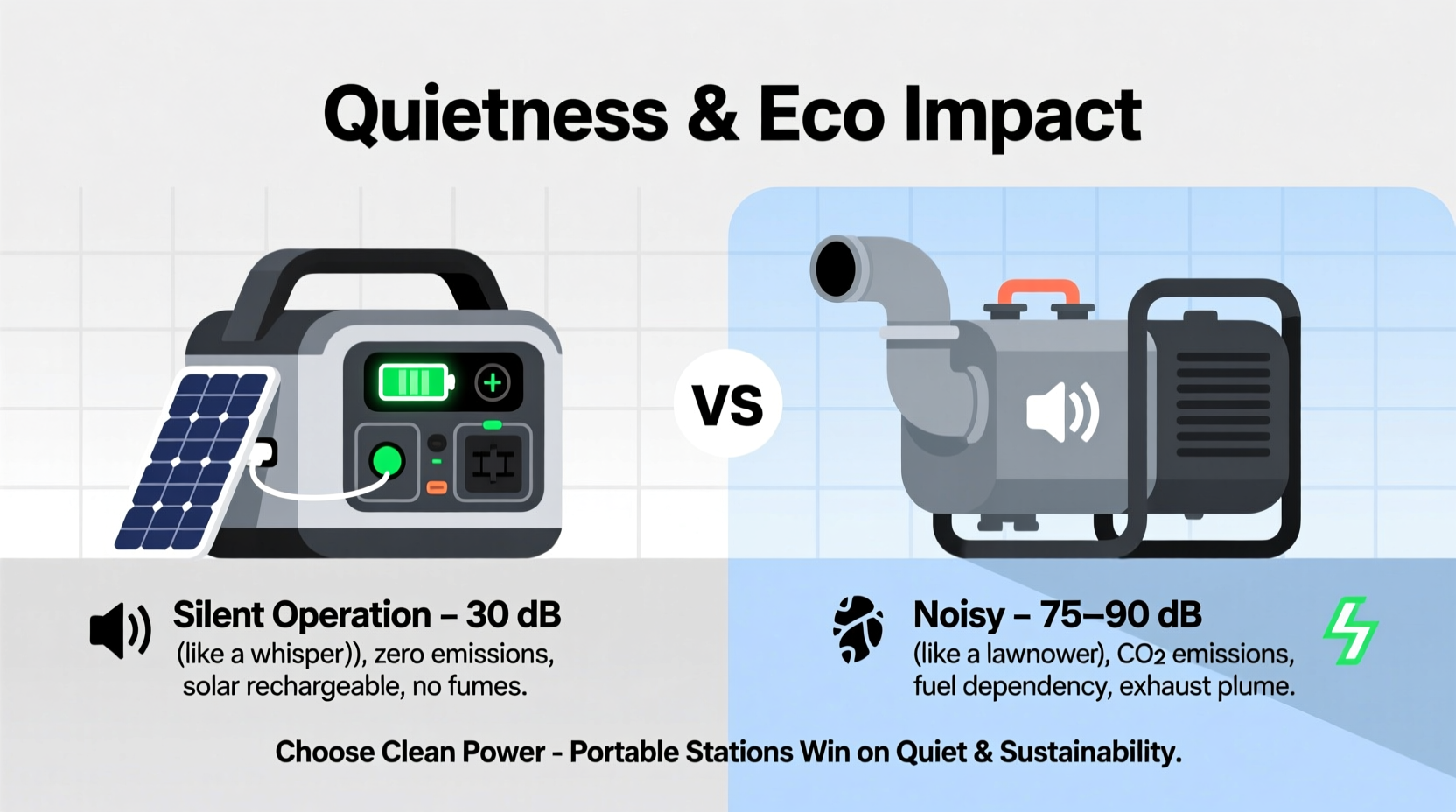
Noise is one of the most immediate and noticeable differences between portable power stations and gas generators. The sound produced by a generator isn't just a minor annoyance—it can disrupt sleep, interfere with communication, and even affect mental well-being over time.
Gas generators rely on internal combustion engines to produce electricity. These engines run continuously, often at high RPMs, generating noise levels that typically range from 65 to 85 decibels (dB). For context, 70 dB is comparable to a vacuum cleaner, while 85 dB is similar to heavy city traffic. At this volume, conversation becomes difficult without raising your voice, and prolonged exposure may contribute to hearing damage.
In contrast, portable power stations operate silently. Since they use lithium-ion or LiFePO4 batteries to store and deliver energy, there are no moving parts involved in power generation. Most models only emit a faint hum from cooling fans under heavy load, usually below 30 dB—about as loud as a whisper. This makes them ideal for indoor use, nighttime operation, or environments where peace is essential, such as RV parks, backyard gatherings, or emergency shelters.
Emissions and Environmental Impact
The environmental cost of power generation extends beyond convenience. Gas generators burn fossil fuels—typically gasoline, propane, or diesel—which release greenhouse gases and harmful pollutants into the atmosphere.
A typical 2,000-watt gasoline generator emits approximately 0.8 to 1.2 pounds of carbon dioxide (CO₂) per kilowatt-hour (kWh) generated. Over a full tank, this adds up quickly. For example, running a mid-sized generator for 8 hours could release over 20 pounds of CO₂, along with nitrogen oxides (NOx), carbon monoxide (CO), and particulate matter. These emissions contribute to climate change, smog formation, and respiratory health issues, especially in enclosed or poorly ventilated areas.
Portable power stations, being battery-based, produce zero emissions during operation. They do not emit any exhaust, making them safe for indoor use and environmentally benign at the point of use. However, their overall eco-impact depends on how the electricity used to charge them is generated. If charged using renewable sources like solar panels or wind power, their lifecycle emissions are nearly negligible. Even when charged from the grid, modern power stations still generally have a lower carbon footprint than gas generators, especially in regions with cleaner energy mixes.
“Battery-based systems represent a critical shift toward decentralized, clean energy resilience. Every kilowatt-hour displaced from fossil fuel generation reduces local pollution and long-term climate risk.” — Dr. Lena Patel, Energy Systems Researcher at GreenGrid Institute
Detailed Comparison: Key Differences at a Glance
| Feature | Portable Power Station | Gas Generator |
|---|---|---|
| Noise Level (Operating) | 20–40 dB (near silent) | 65–85 dB (loud) |
| Indoor Use Safety | Safe (no emissions) | Unsafe (risk of CO poisoning) |
| CO₂ Emissions (per kWh) | 0 g (during use); varies with charging source | 800–1200 g |
| Fuel Required | Electricity (grid or solar) | Gasoline, propane, or diesel |
| Maintenance Needs | Low (occasional charging cycles) | High (oil changes, spark plugs, carburetor cleaning) |
| Lifespan (Cycles/Years) | 500–3000 charge cycles (~5–10 years) | Depends on usage; engine wear common after 500–1000 hours |
| Startup Time | Instant (press a button) | Manual pull-start or electric start (seconds to minutes) |
Real-World Scenarios: Choosing Based on Environment and Need
Understanding how these technologies perform in practice helps clarify which option suits different situations best. Consider the following scenarios:
Camping in a National Park
Jessica and her family camp annually in Yosemite. Last year, they brought a compact gas generator to power lights and charge phones. While functional, the noise drew complaints from nearby campers, and they had to place it far from their tent—limiting outlet access. This year, they switched to a 1,000Wh portable power station paired with a foldable solar panel. It runs all night silently, charges during the day, and eliminates fumes. Their experience is now quieter, cleaner, and more socially considerate.
Home Backup During Storm Season
After experiencing three hurricanes in one season, Mark invested in a 3,500-watt gas generator for his Florida home. It keeps his refrigerator and sump pump running but requires constant refueling and produces enough noise to disturb neighbors. He’s considering supplementing it with a large portable station (like a 3,000Wh unit) to handle low-load essentials—Wi-Fi, lights, medical devices—overnight, reducing runtime and noise from the gas unit.
Mobile Worksite for a Freelance Photographer
Sophia shoots outdoor weddings and needs reliable power for camera batteries, laptops, and lighting. She previously used a small inverter generator but found its noise disrupted audio recordings and client interactions. Now, she uses a dual-battery portable power station setup that she recharges nightly. It’s lightweight, silent, and integrates seamlessly into events without drawing attention.
Step-by-Step Guide to Choosing the Right Option
Selecting between a portable power station and a gas generator shouldn’t be arbitrary. Follow this decision framework to make an informed choice based on your priorities:
- Assess Your Power Needs: List the devices you need to run and calculate total wattage. High-draw appliances (AC units, heaters) may require a gas generator or high-capacity hybrid system.
- Evaluate Runtime Requirements: Determine how long you need continuous power. Gas generators can run for days with fuel resupply; power stations are limited by battery capacity unless recharged.
- Consider Location and Noise Sensitivity: Will you be in close proximity to others? Indoors? In a residential neighborhood? Silence favors power stations.
- Analyze Fuel and Charging Access: Do you have reliable access to gasoline? Or can you recharge via solar, car outlet, or wall socket? Limited fuel access increases the appeal of battery systems.
- Weigh Environmental Priorities: If minimizing emissions and supporting sustainable practices matters to you, lean toward solar-rechargeable power stations.
- Budget Long-Term Costs: While power stations have higher upfront costs, they save money over time through reduced maintenance and no fuel purchases.
- Test Hybrid Solutions: Many users find the optimal balance lies in combining both—a gas generator for heavy loads and extended outages, and a power station for quiet, clean daily use.
Common Misconceptions Debunked
- “Portable power stations don’t last long.” Modern LiFePO4 models offer 3,000+ charge cycles and last over a decade with proper care.
- “Gas generators are always cheaper.” While initial purchase price may be lower, ongoing fuel and maintenance costs add up significantly.
- “Solar charging is too slow.” With high-wattage solar input (e.g., 400W+ panels), many stations can recharge in 3–6 hours under ideal conditions.
- “Battery power isn’t powerful enough.” Top-tier stations now deliver up to 3,000 watts of surge power, capable of starting refrigerators, power tools, and even small air conditioners.
FAQ
Can I use a portable power station indoors?
Yes. Unlike gas generators, portable power stations produce no emissions and are completely safe for indoor use. Just ensure adequate ventilation if cooling fans activate under load.
Are gas generators being phased out?
Not entirely, but regulations are tightening. Several states and municipalities are restricting or banning gas generators in certain settings due to noise and emissions. California, for instance, has implemented strict air quality rules affecting small engine sales.
How do I reduce the environmental impact of a gas generator?
Use ultra-low sulfur fuel, maintain the engine regularly for optimal efficiency, and limit runtime by pairing with a battery buffer. However, switching to a solar-charged power station offers far greater reductions.
- ✅ Determine peak and sustained power needs
- ✅ Prioritize low-noise operation (<40 dB) for sensitive environments
- ✅ Choose LiFePO4 chemistry for longer lifespan and safety
- ✅ Opt for solar compatibility to enable renewable charging
- ✅ Avoid idling gas generators; turn off when not in use
- ✅ Recycle old batteries responsibly through certified programs
Conclusion: The Future Is Quiet and Clean
The shift from gas generators to portable power stations reflects a broader transformation in how we think about energy resilience. Quietness isn’t just about comfort—it’s about respect for shared spaces and mental well-being. Environmental impact isn’t just a statistic—it’s a reflection of our responsibility to future generations.
While gas generators still hold value in high-demand, long-duration applications, portable power stations offer a compelling alternative for most everyday needs. With advancements in battery technology, faster solar charging, and falling prices, they are no longer niche products but practical, sustainable solutions for homes, adventurers, and professionals alike.
If you’re upgrading your backup power setup or investing for the first time, consider what silence and sustainability can bring to your experience. The quietest choice may also be the wisest—one that protects your health, your community, and the planet.




 浙公网安备
33010002000092号
浙公网安备
33010002000092号 浙B2-20120091-4
Comments
No comments yet. Why don't you start the discussion?