
The liver is one of the body’s most resilient organs—capable of regeneration, detoxification, and metabolic regulation. Yet modern lifestyles filled with processed foods, alcohol, environmental toxins, and chronic stress have placed unprecedented strain on this vital organ. Fatty liver disease now affects nearly 1 in 4 adults globally, often without noticeable symptoms until significant damage occurs. The good news? The liver can heal itself when given the right conditions. With targeted dietary choices, lifestyle adjustments, and consistent habits, you can support natural liver recovery and ensure lasting vitality.
Understanding Liver Function and Damage
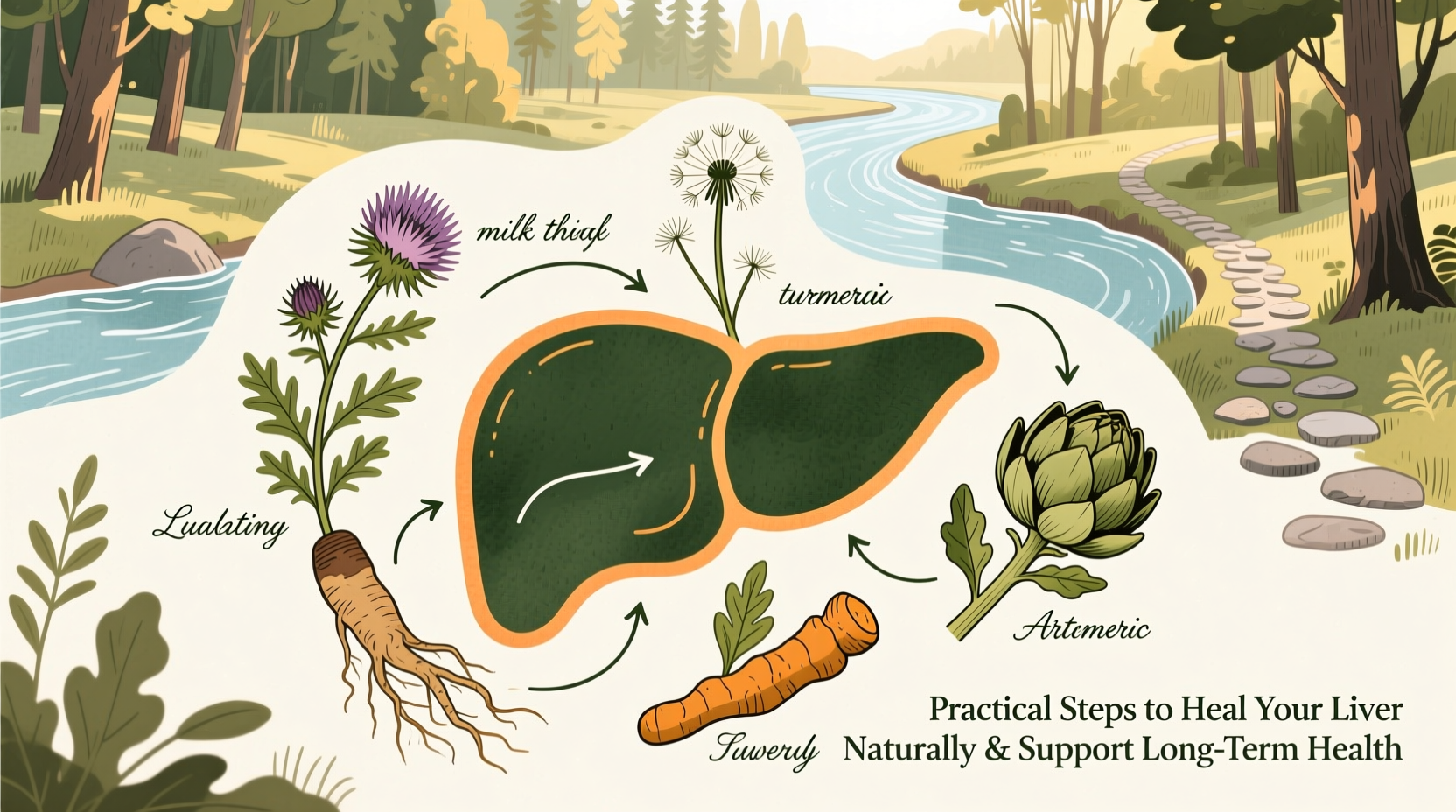
The liver performs over 500 essential functions, including filtering blood, metabolizing nutrients, producing bile, storing vitamins, and neutralizing toxins. When overwhelmed by excessive sugar, alcohol, or inflammatory substances, it begins to store fat. Over time, this leads to non-alcoholic fatty liver disease (NAFLD) or its more severe form, non-alcoholic steatohepatitis (NASH). Elevated liver enzymes like ALT and AST are early warning signs detectable through routine blood work.
Liver damage isn't always caused by alcohol. Insulin resistance, obesity, high-fructose diets, and sedentary behavior contribute significantly. However, because the liver lacks pain receptors, symptoms like fatigue, bloating, or mild discomfort in the upper right abdomen are often overlooked. Early intervention is key to reversing damage before fibrosis or cirrhosis sets in.
“Even advanced fatty liver can improve with sustained lifestyle changes. The liver is remarkably adaptive when supported correctly.” — Dr. Mark Chen, Hepatology Specialist, Cleveland Clinic
Step-by-Step Guide to Natural Liver Healing
Healing the liver isn’t about quick fixes but consistent, evidence-based practices. Follow this six-phase timeline to restore function and prevent future complications.
- Weeks 1–2: Eliminate Liver Stressors
Remove alcohol, added sugars, refined carbohydrates, and processed seed oils. Begin reading labels to avoid high-fructose corn syrup and trans fats. - Weeks 3–4: Optimize Hydration and Fiber Intake
Drink at least 2 liters of water daily. Increase soluble fiber from oats, legumes, and vegetables to support toxin elimination through bile. - Weeks 5–8: Incorporate Liver-Supportive Foods
Add cruciferous vegetables, garlic, turmeric, green tea, and beets. These contain compounds that enhance detox pathways and reduce inflammation. - Weeks 9–12: Introduce Targeted Movement
Engage in moderate aerobic exercise (e.g., brisk walking) for 30 minutes, five times a week. Exercise helps mobilize stored liver fat. - Months 4–6: Stabilize Blood Sugar
Adopt balanced meals with protein, healthy fats, and low-glycemic carbs. Avoid snacking between meals to allow insulin levels to drop. - Ongoing: Maintain and Monitor
Repeat liver function tests every 6 months. Continue healthy habits as a permanent lifestyle.
Foods That Heal vs. Harm the Liver
Diet plays the most critical role in liver recovery. Certain foods directly support regeneration, while others accelerate damage. Use this guide to make informed choices.
| Category | Supportive Foods | Foods to Avoid |
|---|---|---|
| Vegetables | Broccoli, kale, spinach, Brussels sprouts, garlic, onions, beets | Fried vegetables, canned veggies with added sodium |
| Fruits | Berries, apples, citrus (in moderation) | Fruit juices, dried fruits with added sugar, mangoes, grapes (high fructose) |
| Fats | Avocados, olive oil, nuts, fatty fish (salmon, mackerel) | Soybean oil, corn oil, margarine, deep-fried foods |
| Proteins | Grass-fed meat, pasture-raised eggs, lentils, tofu | Processed meats (bacon, sausages), farmed fish with additives |
| Beverages | Green tea, dandelion root tea, water, black coffee (unsweetened) | Soda, energy drinks, alcohol, sweetened teas |
Real-Life Example: Reversing Fatty Liver in 6 Months
Carlos, a 48-year-old office worker, was diagnosed with elevated ALT levels (98 U/L) and moderate fatty liver on ultrasound. He consumed two sodas daily, ate takeout five nights a week, and rarely exercised. After consulting a nutritionist, he made gradual changes: replacing soda with sparkling water and lime, preparing home-cooked meals three times a week, walking 30 minutes after dinner, and adding broccoli and walnuts to his diet. Within four months, his ALT dropped to 52 U/L. By month six, a follow-up scan showed a 60% reduction in liver fat. His energy improved, and his waist circumference decreased by 3 inches.
Carlos didn’t adopt a restrictive “diet”—he focused on sustainable swaps. His story reflects what thousands achieve annually through consistent, small changes rather than extreme interventions.
Essential Checklist for Daily Liver Support
Use this checklist each day to reinforce habits that protect and heal your liver:
- ✅ Drink at least 8 glasses of water
- ✅ Eat at least 3 servings of leafy greens or cruciferous vegetables
- ✅ Avoid all added sugars and processed snacks
- ✅ Consume a source of omega-3s (chia seeds, flaxseed, salmon)
- ✅ Take a 20–30 minute walk or equivalent activity
- ✅ Limit alcohol to zero or occasional small servings
- ✅ Get 7–8 hours of quality sleep
- ✅ Practice stress-reduction techniques (deep breathing, meditation)
Frequently Asked Questions
Can the liver heal itself completely?
Yes, the liver has a remarkable ability to regenerate. In cases of early-stage fatty liver, complete reversal is possible within 6 to 12 months with consistent lifestyle changes. Even with mild fibrosis, progression can be halted and partially reversed.
Is coffee good for the liver?
Yes, multiple studies show that moderate consumption of black coffee (1–3 cups daily) is associated with lower rates of liver fibrosis, reduced cancer risk, and improved enzyme levels. The protective effect appears linked to antioxidants like cafestol and kahweol.
Do liver detox supplements work?
Most over-the-counter \"liver cleanses\" lack scientific backing. Some ingredients like milk thistle (silymarin) show modest benefits in clinical trials, but they should complement—not replace—lifestyle changes. Always consult a healthcare provider before starting supplements, especially if you have existing conditions.
Conclusion: Make Liver Health a Lifelong Priority
Your liver works silently, tirelessly, and without complaint—until it can’t. Healing it isn’t a short-term project but a commitment to cleaner eating, mindful living, and proactive health monitoring. You don’t need perfection; you need consistency. Replace one soda with herbal tea. Swap white rice for quinoa. Take a walk after dinner instead of scrolling online. These small actions accumulate into profound change.
Start today. Your liver will thank you not in words, but in energy, clarity, and resilience for years to come.




 浙公网安备
33010002000092号
浙公网安备
33010002000092号 浙B2-20120091-4
Comments
No comments yet. Why don't you start the discussion?