
Most people want to improve their lives—exercise more, eat better, reduce stress, or be more productive. Yet, despite good intentions, many fail because they focus on goals instead of systems. Lasting change doesn’t come from motivation; it comes from habit. Habits shape our daily actions, and over time, those actions define our outcomes. The good news? Habits aren’t fixed. With the right approach, anyone can reshape them. What follows are proven, practical strategies grounded in behavioral science and real-world application.
The Science Behind Habit Formation
Habits form through a loop: cue, routine, reward. This cycle, identified by researchers at MIT and expanded upon by Charles Duhigg in The Power of Habit, explains why behaviors repeat. A trigger (cue) prompts an action (routine), which delivers a payoff (reward). Over time, the brain begins to crave the reward before the action even occurs, reinforcing the behavior.
To change a habit, you don’t eliminate the loop—you rewire it. That means keeping the cue and reward but replacing the routine with a healthier alternative. For example, if boredom triggers snacking (cue), and the reward is stimulation, swapping chips for a short walk or puzzle can satisfy the same need without the calories.
“We are what we repeatedly do. Excellence, then, is not an act, but a habit.” — Aristotle
Step-by-Step Guide to Rewiring Your Habits
Changing habits isn’t about willpower—it’s about design. Follow this six-phase process to build sustainable change:
- Identify the Habit Loop: Pick one habit to change. Write down the cue (time, location, emotional state), the behavior, and the reward. Be specific. Example: “After dinner, I feel restless and scroll social media for 45 minutes. I feel distracted but temporarily entertained.”
- Define the Craving: Ask: What am I really seeking? Entertainment? Connection? Avoidance? Understanding the underlying need helps you find better solutions.
- Design a Replacement Routine: Choose a new behavior that satisfies the same craving. If scrolling fills a need for connection, call a friend instead. If it’s distraction you want, try journaling or reading.
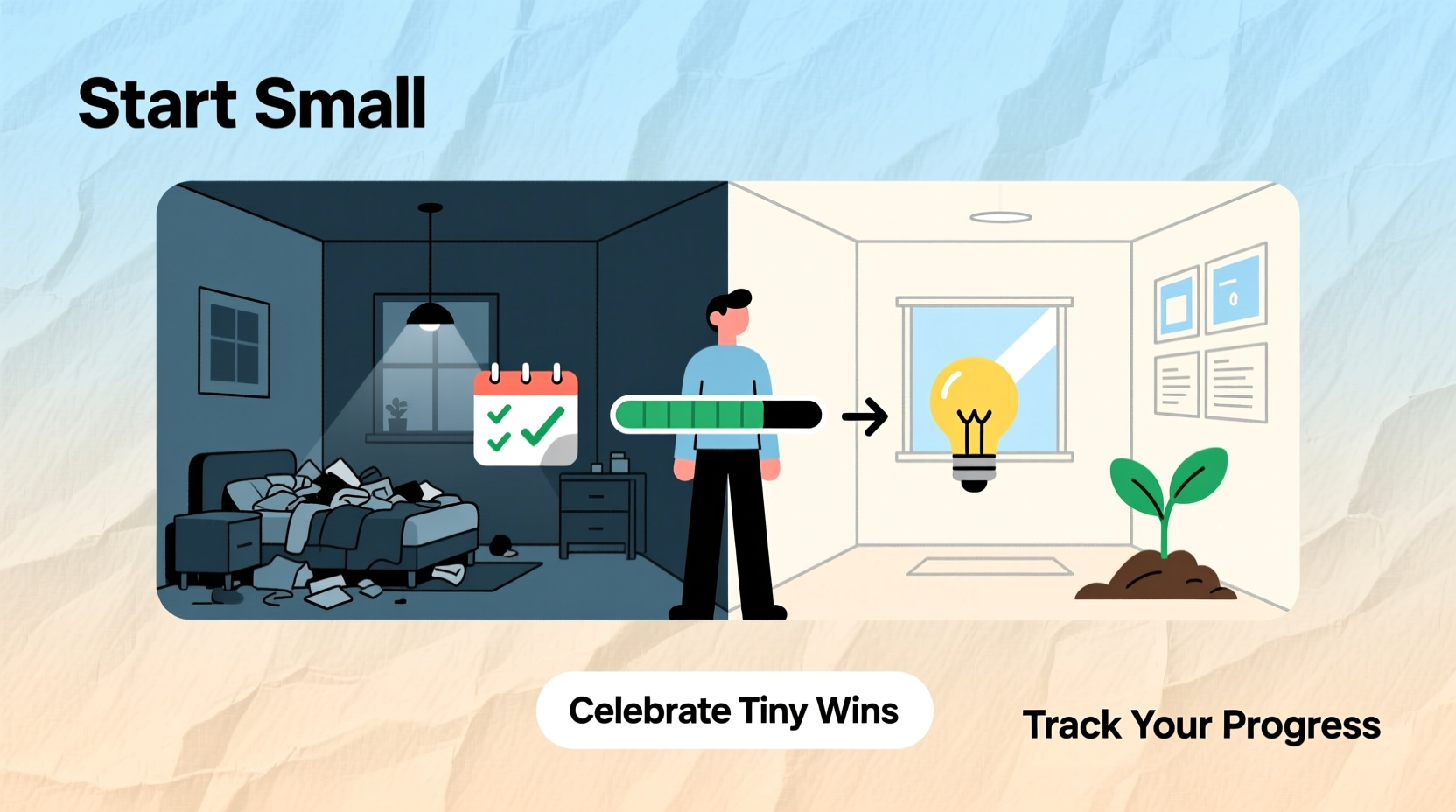
- Start Small: Use the “two-minute rule”—scale the new habit down so it takes less than two minutes. Want to read more? Start with “read one page.” The goal is consistency, not intensity.
- Create Environmental Cues: Make the new behavior easy and the old one harder. Place your book on the pillow before bed. Delete social media apps from your phone.
- Track and Adjust: Use a habit tracker for 30 days. Review weekly: What worked? What didn’t? Tweak as needed.
Do’s and Don’ts of Habit Change
| Do | Don’t |
|---|---|
| Stack new habits onto existing ones (e.g., “After I brush my teeth, I will meditate for one minute”) | Try to change too many habits at once |
| Use implementation intentions: “I will [behavior] at [time] in [place]” | Rely solely on motivation |
| Celebrate small wins to reinforce progress | Ignore environmental triggers (e.g., junk food on the counter) |
| Forgive slip-ups and resume immediately | Engage in all-or-nothing thinking (“I failed today, so the week is ruined”) |
A Real-Life Transformation: From Burnout to Balance
Sarah, a 38-year-old project manager, felt overwhelmed. She worked late, skipped meals, and relied on coffee and takeout. Her energy crashed by 3 p.m., and she’d unwind with hours of TV—only to wake up tired again.
Instead of setting vague goals like “get healthier,” she focused on micro-habits. First, she placed a water bottle on her desk and committed to refilling it three times a day. Then, she used habit stacking: “After I pour my morning coffee, I will eat a piece of fruit.” Within two weeks, she noticed fewer midday cravings.
Next, she replaced evening TV with a 10-minute walk after dinner. Initially, it felt forced. But within a month, she looked forward to the fresh air and mental clarity. Over six months, these small shifts added up: she lost 12 pounds, reduced caffeine, and reported higher focus and mood.
Sarah didn’t overhaul her life overnight. She redesigned it—one tiny behavior at a time.
Expert Insight: Why Environment Trumps Willpower
“People often believe that changing behavior requires changing minds. In reality, the most effective changes come from changing context. Make the right behavior obvious, easy, and satisfying—and the wrong one invisible, difficult, and unsatisfying.” — Dr. BJ Fogg, Director, Stanford Behavior Design Lab
Dr. Fogg’s research emphasizes that motivation fluctuates, but environment is constant. If your kitchen is filled with snacks, resisting them requires daily effort. But if you keep fruit on the counter and store cookies in opaque containers, you shift the default choice without relying on discipline.
Essential Checklist for Building Better Habits
Your Habit Change Checklist:
- ✅ Identify one target habit to change
- ✅ Map its cue, routine, and reward
- ✅ Define the underlying craving
- ✅ Choose a simpler, healthier routine that meets the same need
- ✅ Anchor the new habit to an existing one (habit stacking)
- ✅ Optimize your environment to support the new behavior
- ✅ Scale the action down to under two minutes to ensure consistency
- ✅ Track your progress daily for 30 days
- ✅ Review and adjust after each week
- ✅ Celebrate every successful repetition
Frequently Asked Questions
How long does it take to form a new habit?
Contrary to the popular “21-day myth,” research from University College London found that habit formation takes an average of 66 days, with significant variation (18 to 254 days) depending on the person and behavior. Consistency matters more than speed.
What should I do when I miss a day?
Missed days are normal. The key is to avoid the “what-the-hell effect”—where one slip leads to complete abandonment. Instead, practice self-compassion and return to the habit immediately. Progress isn’t linear.
Can bad habits be completely eliminated?
Old habits aren’t erased—they’re overridden. The neural pathway remains, which is why temptations resurface during stress or fatigue. The best defense is a strong replacement habit and a supportive environment that reduces exposure to triggers.
Take Action Today
You don’t need a dramatic transformation to improve your life. You need one small, consistent change. Whether it’s drinking more water, walking after meals, or putting your phone away an hour before bed, the power lies in repetition. Each time you follow through, you reinforce a new identity—one where health, focus, and balance aren’t aspirations, but realities.
Start tonight: pick one habit. Break it down. Make it easy. Stack it onto something you already do. And tomorrow, do it again. Repeat until it sticks. Because the life you want isn’t built in a day—it’s built in the quiet moments of daily choice.




 浙公网安备
33010002000092号
浙公网安备
33010002000092号 浙B2-20120091-4
Comments
No comments yet. Why don't you start the discussion?