
In a world increasingly divided by opinions, beliefs, and ideologies, cultivating open-mindedness is not just a personal virtue—it’s a necessity for meaningful connection and growth. Being open-minded doesn’t mean abandoning your values; it means making space for others’ perspectives, questioning your assumptions, and resisting the urge to judge too quickly. The shift from judgmental thinking to open curiosity isn’t always easy, but it’s deeply rewarding. It improves relationships, enhances emotional intelligence, and fosters resilience in uncertain situations. This article explores actionable, research-backed strategies to help you develop greater openness and reduce automatic judgment in daily life.
1. Recognize Your Cognitive Biases
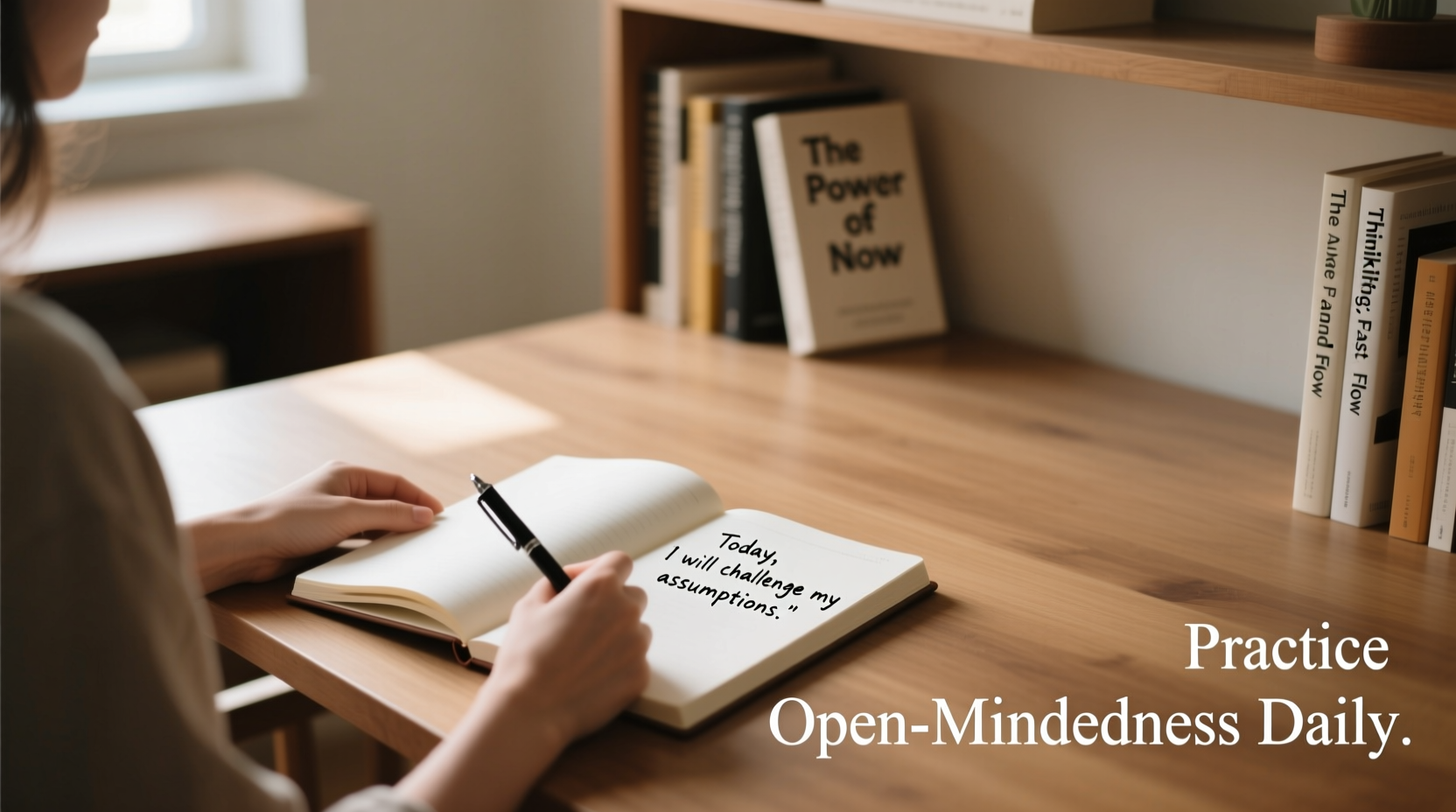
All humans operate with mental shortcuts—cognitive biases—that shape how we interpret information. Confirmation bias, for instance, leads us to favor information that supports our existing beliefs while dismissing contradictory evidence. The halo effect causes us to let one positive trait influence our overall perception of a person. These unconscious patterns often fuel snap judgments.
Becoming aware of these biases is the first step toward mitigating their influence. Start by asking yourself: “Am I interpreting this situation based on facts, or am I filtering it through my assumptions?” Journaling your reactions to people or events can reveal recurring patterns of judgment rooted in bias rather than reality.
2. Practice Active Listening Without Interruption
One of the most effective ways to become less judgmental is to truly listen—not just wait for your turn to speak. Active listening involves full attention, withholding immediate evaluation, and reflecting back what you’ve heard. When someone shares a differing view, resist the instinct to counter or correct. Instead, focus on understanding their reasoning.
This approach does more than prevent conflict; it builds trust and opens pathways to mutual learning. You don’t have to agree to respect another person’s experience. Often, people aren’t seeking agreement—they’re seeking validation.
“Listening is where love begins. When we stop judging long enough to hear someone’s story, we start seeing them as human.” — Dr. Rachel Kim, Clinical Psychologist
A Step-by-Step Guide to Active Listening
- Pause your response. Resist the urge to formulate your reply while the other person is speaking.
- Maintain eye contact and nonverbal cues. Nodding and open posture signal engagement.
- Reflect and clarify. Say things like, “So what you’re saying is…” or “It sounds like you felt…”
- Ask open-ended questions. “What led you to that conclusion?” invites deeper dialogue.
- Suspend judgment. Remind yourself: understanding ≠ agreeing.
3. Expand Your Exposure to Diverse Perspectives
Open-mindedness grows through exposure. If your social circle, media diet, and conversations all reflect similar views, your worldview becomes narrow by default. Intentionally seek out voices that challenge your beliefs—books by authors from different cultures, podcasts featuring opposing political viewpoints, or documentaries on unfamiliar lifestyles.
Travel, when possible, remains one of the most transformative tools for reducing judgment. Even virtual travel—through films, interviews, or cultural exchanges—can broaden your frame of reference. The goal isn’t to adopt every new idea, but to recognize that multiple valid ways of living and thinking exist.
Mini Case Study: From Skeptic to Advocate
Mark, a software engineer in his late 30s, grew up in a politically conservative household. He found himself automatically dismissing progressive ideas, especially around social justice. After joining a cross-industry networking group, he met several colleagues who shared personal stories about systemic barriers they’d faced. Initially defensive, Mark decided to read books like *Caste* by Isabel Wilkerson and attend community dialogues. Over time, his knee-jerk judgments softened. He didn’t change all his views, but he became more willing to listen and acknowledge complexity. His relationships at work improved significantly, and he even started mentoring younger employees from underrepresented backgrounds.
Mark’s transformation wasn’t about flipping positions—it was about replacing judgment with inquiry.
4. Develop Empathy Through Perspective-Taking
Empathy is the emotional bridge to open-mindedness. It allows you to imagine how someone else experiences the world, especially when their experience differs from yours. One powerful technique is perspective-taking: mentally stepping into another person’s shoes and asking, “How would I feel if I had lived their life?”
This isn’t about excusing harmful behavior, but about understanding its roots. For example, someone who appears rude may be struggling with anxiety or exhaustion. A colleague resistant to change might fear obsolescence, not oppose progress.
| Judgmental Mindset | Empathetic Reframe |
|---|---|
| “They’re lazy for missing deadlines.” | “They might be overwhelmed or dealing with unseen challenges.” |
| “Why would anyone believe that?” | “What experiences might have shaped their belief system?” |
| “They’re so dramatic.” | “They may be expressing pain in the only way they know how.” |
5. Implement a Daily Reflection Practice
Self-awareness is the foundation of behavioral change. Spend 5–10 minutes each evening reflecting on moments when you judged someone or dismissed an idea. Ask yourself:
- What triggered my reaction?
- Was I reacting to facts or assumptions?
- What could I have misunderstood?
- How might I respond differently next time?
This habit strengthens your ability to catch judgment in real time. Over weeks, many people notice a gradual softening in their responses and a greater capacity for patience.
Checklist: Building Open-Minded Habits
- ✅ Pause before responding to challenging ideas
- ✅ Seek out one new perspective each week (book, article, conversation)
- ✅ Replace “They’re wrong” with “I wonder why they see it that way”
- ✅ Practice active listening in at least one conversation daily
- ✅ Reflect nightly on moments of judgment
- ✅ Challenge one stereotype or assumption per month
FAQ
Isn’t being open-minded the same as having no principles?
No. Open-mindedness is about being willing to consider new information without abandoning your core values. It means holding your beliefs lightly enough to allow for growth, not discarding them altogether.
How do I stay open-minded when someone expresses harmful views?
You can remain open to understanding *why* someone holds a view without endorsing it. This distinction is crucial. Understanding motivations doesn’t equal approval. In cases of hate or harm, you can listen briefly to comprehend, then set boundaries or disengage respectfully.
Can open-mindedness be learned, or is it a personality trait?
While some people are naturally more curious, open-mindedness is a skill that can be developed. Studies in cognitive psychology show that deliberate practice—such as perspective-taking exercises and exposure to diversity—leads to measurable increases in openness over time.
Conclusion
Becoming more open-minded and less judgmental is not a destination but a daily practice. It requires humility, patience, and the courage to question your own certainty. Each small act of curiosity—listening fully, reading widely, reflecting honestly—adds up to a more compassionate and connected life. The world doesn’t need more people who are convinced they’re right. It needs more people willing to ask, “What am I missing?”




 浙公网安备
33010002000092号
浙公网安备
33010002000092号 浙B2-20120091-4
Comments
No comments yet. Why don't you start the discussion?