
Getting rich isn’t about luck or sudden windfalls. It’s the result of consistent decisions, disciplined habits, and long-term planning. While there’s no shortcut to instant wealth, there are proven strategies that work for ordinary people with average incomes. The key is not in earning more—it’s in managing what you have, growing it wisely, and avoiding costly mistakes that derail financial progress.
Wealth accumulation is less about dramatic moves and more about daily choices: where you spend, how you save, what you invest, and how you think about money. This guide outlines practical, realistic steps to build lasting wealth—one decision at a time.
Start With Financial Clarity
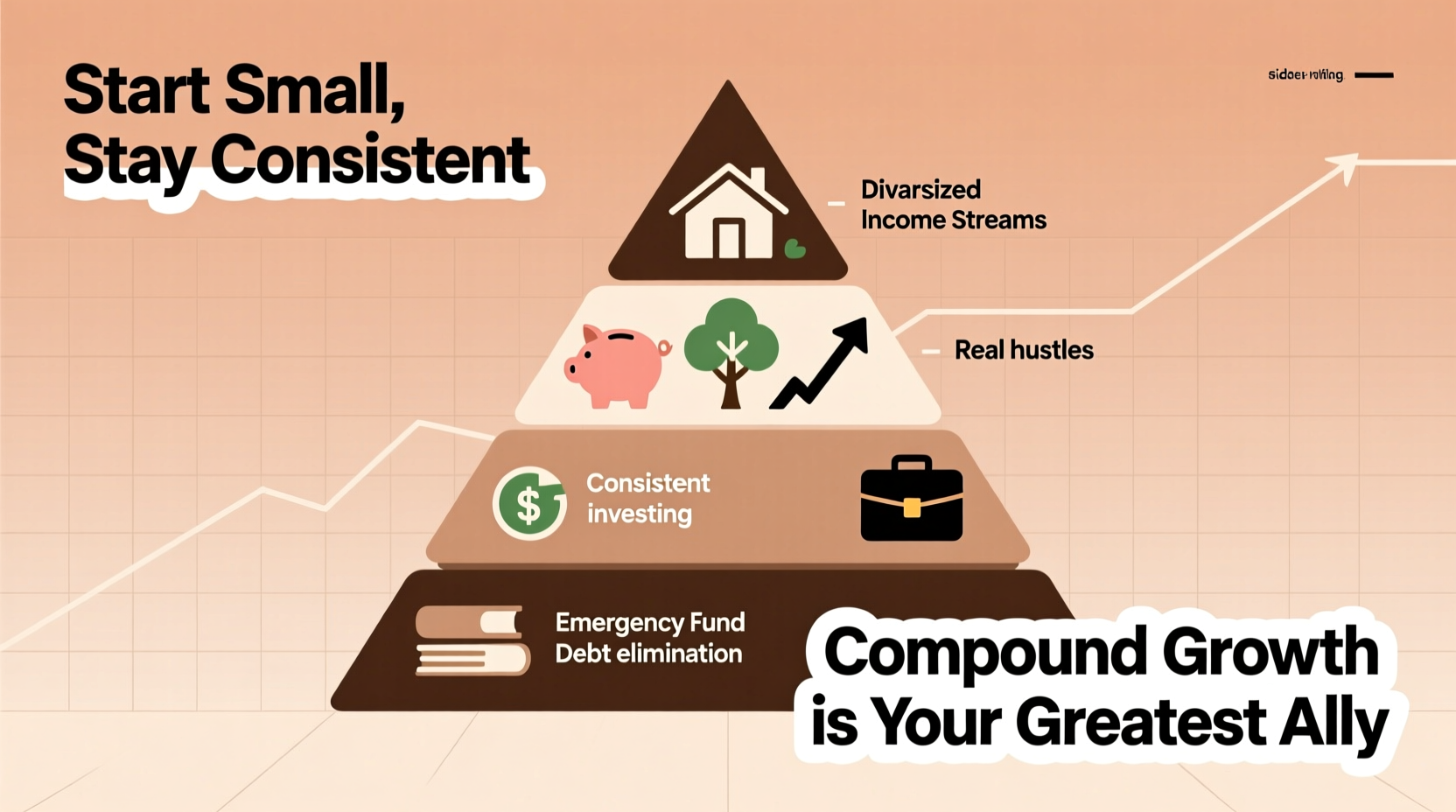
Before building wealth, you must understand your current financial position. Many people skip this step, assuming they’re “doing fine,” only to discover later that small leaks in their budget are costing them thousands each year.
Begin by tracking every dollar you earn and spend for one full month. Use a spreadsheet or budgeting app to categorize expenses: housing, transportation, food, subscriptions, entertainment, debt payments, and savings. Once you see where your money goes, identify areas to reduce waste.
Next, calculate your net worth: total assets (savings, investments, property) minus liabilities (debts). Reassess this number quarterly. Seeing it grow—even slowly—reinforces motivation and accountability.
Pay Yourself First: Master the Art of Saving
The foundation of wealth is saving—not investing, not side hustles, but simply saving. Most millionaires didn’t start rich; they saved consistently over decades. The rule is simple: pay yourself before anyone else.
Aim to save at least 20% of your after-tax income. If that feels impossible, start with 5% and increase by 1% every three months. Redirect raises, bonuses, and tax refunds directly into savings instead of lifestyle upgrades.
Keep emergency funds separate—ideally in a high-yield savings account—with three to six months’ worth of living expenses. This buffer prevents debt when unexpected costs arise.
“Do not save what is left after spending, but spend what is left after saving.” — Warren Buffett
Invest Early and Consistently
Saving alone won’t build real wealth. Inflation erodes cash value over time. To grow money, you must invest it. The most powerful force in wealth-building is compound interest—the process where earnings generate their own earnings over time.
Consider this: if you invest $500 per month starting at age 25 with a 7% annual return, you’ll have over $1 million by age 65. Wait until 35 to start, and you’ll end up with less than half—despite investing the same monthly amount.
For most people, low-cost index funds are the smartest entry point. Funds like VTI (total U.S. stock market) or VXUS (international stocks) offer broad diversification and historically strong returns. Contribute regularly to retirement accounts like a 401(k) or IRA, especially if your employer offers matching contributions—it’s free money.
| Starting Age | Monthly Investment | Annual Return | Value at Age 65 |
|---|---|---|---|
| 25 | $500 | 7% | $1,106,756 |
| 35 | $500 | 7% | $518,118 |
| 45 | $500 | 7% | $225,470 |
Eliminate High-Interest Debt Strategically
Debt is the silent killer of wealth. Credit card balances, payday loans, and high-interest personal loans drain resources through compounding interest in reverse. A $10,000 credit card balance at 22% APR can cost over $2,000 per year in interest alone.
To break free, prioritize high-interest debt using either the avalanche method (pay highest-interest debts first) or the snowball method (pay smallest balances first for psychological wins). Both work—choose the one that keeps you motivated.
Avoid taking on new debt while paying off old ones. Cancel unused credit cards, but keep older accounts open to maintain credit history. Refinance student or auto loans if lower rates are available.
- Negotiate lower interest rates with lenders
- Transfer high-interest balances to 0% intro APR cards (with discipline)
- Avoid lifestyle inflation after debt payoff—redirect payments into savings
Build Multiple Streams of Income
Relying solely on a paycheck limits your earning potential. Wealth builders create additional income streams that continue working even when they’re not. These don’t need to be grand ventures—small, scalable efforts compound over time.
Examples include:
- Renting out a spare room via Airbnb
- Selling digital products (e-books, templates, courses)
- Freelancing in your area of expertise
- Dividend-paying stocks or rental real estate
The goal isn’t to become an entrepreneur overnight, but to test low-risk opportunities that generate passive or semi-passive income. Even an extra $300/month invested at 7% return grows to nearly $200,000 over 30 years.
Mini Case Study: From Side Hustle to Financial Freedom
Jamal, a public school teacher, started tutoring students online two evenings a week. He charged $50/hour and gradually built a client base through referrals. Within 18 months, he earned an extra $1,200/month. Instead of increasing his spending, he invested 80% of that income into a diversified portfolio.
After five years, his side income had generated over $90,000 in investments. Combined with salary increases and consistent saving, he reached financial independence by age 52—retiring early with enough passive income to cover his living expenses.
Step-by-Step Wealth-Building Timeline
- Month 1–3: Track all expenses, create a budget, and set up automatic savings.
- Month 4–6: Build a $1,000 starter emergency fund and begin paying down high-interest debt.
- Year 1: Save 3–6 months of expenses and max out employer-matched retirement contributions.
- Year 2–5: Invest consistently in low-cost index funds; explore side income opportunities.
- Year 6–10: Increase investment allocation, consider real estate or dividend growth, and reassess net worth annually.
- Year 10+: Optimize tax strategy, diversify holdings, and shift toward income-generating assets.
Common Myths That Hold People Back
- Myth: You need a high income to get rich.
Truth: Many high earners stay broke due to lifestyle inflation. Wealth comes from saving rate, not salary. - Myth: Investing is too risky.
Truth: Not investing is riskier—cash loses value over time due to inflation. - Myth: You need to time the market.
Truth: Time in the market beats timing the market. Consistency matters more than perfection.
Frequently Asked Questions
Can I build wealth on a modest income?
Yes. Building wealth is primarily about behavior, not income level. Someone earning $50,000 who saves 20% will accumulate more over time than someone earning $100,000 who saves nothing. Focus on controlling expenses and investing early.
How much do I need to retire comfortably?
A common guideline is the 4% rule: you can safely withdraw 4% of your portfolio annually in retirement. For example, a $1 million portfolio provides $40,000/year. Adjust based on your lifestyle and expected expenses.
Should I pay off all debt before investing?
Not necessarily. If your debt has low interest (e.g., under 5%), it often makes sense to invest while making minimum payments. However, high-interest debt (above 7%) should typically be prioritized.
Checklist: Your First 90 Days to Financial Progress
- Track all income and expenses for 30 days
- Create a realistic monthly budget
- Open a high-yield savings account for emergency fund
- Set up automatic transfer of at least 5% of income to savings
- List all debts by balance and interest rate
- Choose a debt payoff strategy (avalanche or snowball)
- Enroll in retirement plan or increase contribution
- Research low-cost index funds and open a brokerage account
- Explore one side income idea and take first action
Conclusion
Building wealth isn’t reserved for the lucky or the genius investor. It’s accessible to anyone willing to make smart, consistent choices. Start where you are. Use what you have. Do what you can.
Every millionaire began with a single decision—to save, to invest, to delay gratification. You don’t need perfection. You need persistence. Begin today, not tomorrow. Small actions compound into life-changing results over time.




 浙公网安备
33010002000092号
浙公网安备
33010002000092号 浙B2-20120091-4
Comments
No comments yet. Why don't you start the discussion?