
In a world driven by constant comparison and the pursuit of more, true happiness often lies not in acquiring but in acknowledging. Research in positive psychology consistently shows that gratitude is one of the most reliable pathways to lasting well-being. Yet, appreciation doesn’t always come naturally—especially when life feels overwhelming or when social media amplifies feelings of lack. The good news is that cultivating happiness through gratitude is a skill, not just a fleeting emotion. With deliberate practice, anyone can rewire their mindset to notice, value, and savor the abundance already present in their lives.
The Science Behind Appreciation and Well-Being
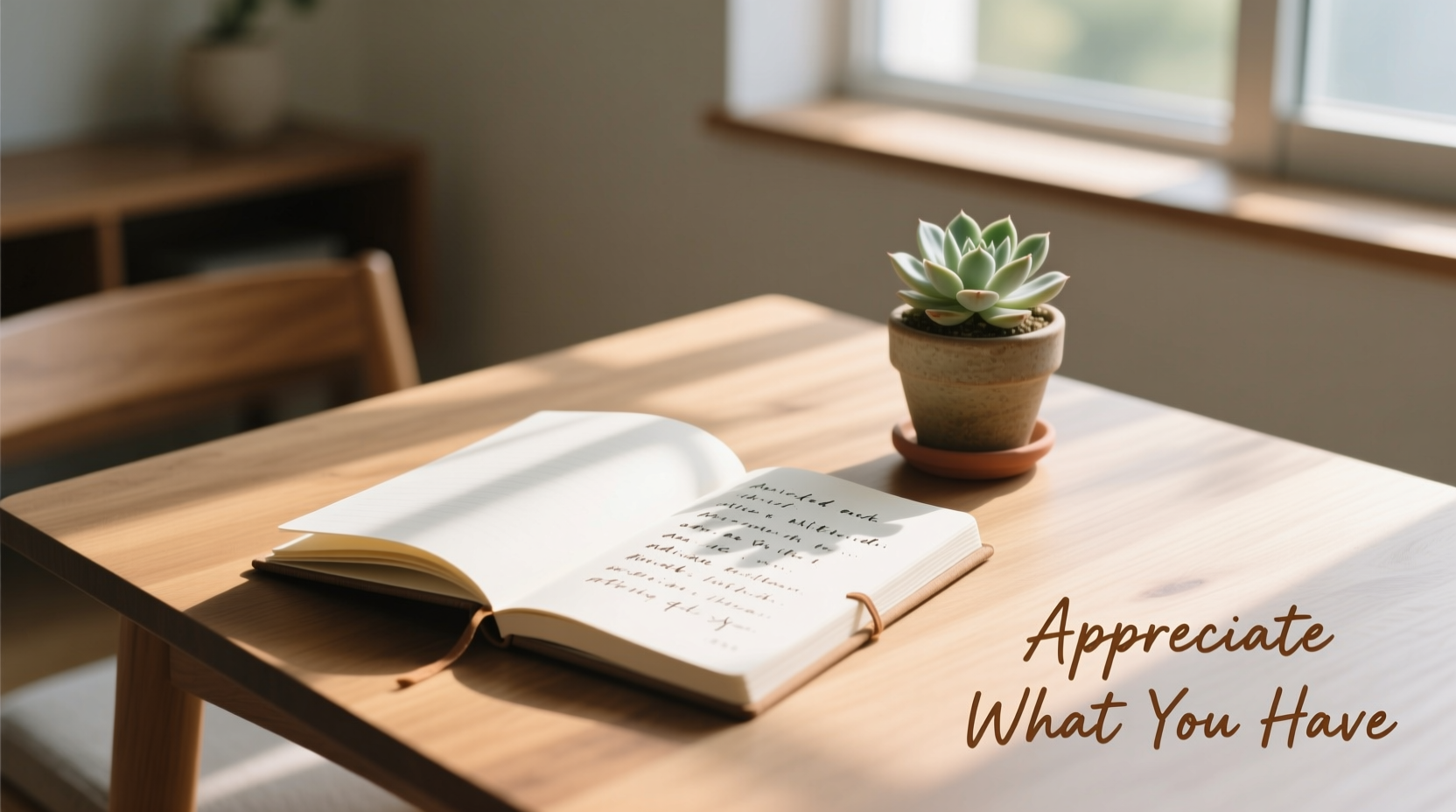
Decades of psychological research support the idea that focusing on what you have—not what you lack—leads to measurable improvements in mental health. Studies conducted by Dr. Robert Emmons, a leading gratitude researcher, reveal that individuals who regularly practice gratitude report higher levels of energy, optimism, and even physical health. In one landmark study, participants who kept a weekly gratitude journal for ten weeks reported feeling 25% happier than those who focused on daily hassles or neutral events.
This isn’t merely about positive thinking. Gratitude shifts attention away from the brain’s negativity bias—the tendency to dwell on threats and shortcomings—and activates regions associated with reward, empathy, and emotional regulation. Over time, this recalibration fosters resilience, reduces anxiety, and deepens relationships.
“Gratitude works like a mental lens. When you adjust it, you don’t change reality—you change how you see it.” — Dr. Robert Emmons, gratitude researcher and author of *Thanks!*
Daily Habits That Build Lasting Appreciation
Cultivating appreciation requires consistency, not perfection. Small, intentional actions compound over time, reshaping your default mode of perception. The following strategies are grounded in behavioral science and designed for real-life integration.
1. Keep a Gratitude Journal (With Depth)
Writing down three things you’re grateful for each day is a well-known practice—but its effectiveness increases dramatically when done with specificity. Instead of writing “I’m grateful for my family,” try: “I’m grateful for how my partner made coffee this morning without being asked—it felt like care in action.” This level of detail strengthens emotional recall and makes gratitude feel tangible.
2. Practice the “Negative Visualization” Exercise
Also known as *premeditatio malorum* in Stoic philosophy, this technique involves imagining the absence of something you value. For example: What if you could no longer walk? Hear music? Receive a kind text from a friend? This mental contrast heightens awareness of present blessings and prevents them from becoming invisible through habituation.
3. Use Sensory Anchors to Savor Moments
Happiness lives in the senses. When drinking tea, eating a meal, or walking outside, pause and ask: What do I see, hear, smell, taste, or feel right now? This mindfulness-based approach grounds appreciation in immediate experience rather than abstract thoughts. It turns routine moments into micro-opportunities for joy.
A Step-by-Step Guide to Building an Appreciation Routine
Integrating gratitude into daily life works best when structured. Follow this four-week timeline to build a sustainable habit:
- Week 1: Awareness – Carry a small notebook or use a notes app. Jot down one thing each day that brought you comfort, ease, or pleasure—no matter how minor.
- Week 2: Deepening – Expand entries to include why the moment mattered. Example: “My coworker smiled at me during a stressful meeting. It reminded me I’m not alone.”
- Week 3: Expression – Share one appreciation directly with someone. Send a short message: “I was thinking about how much I appreciate your honesty last week. It helped me grow.”
- Week 4: Integration – Choose one cue (e.g., brushing teeth, waiting for coffee to brew) to trigger a mental gratitude check-in. Link appreciation to existing habits.
Common Pitfalls and How to Avoid Them
Even with good intentions, people often abandon gratitude practices prematurely. Recognizing these common obstacles can help maintain momentum.
| Pitfall | Why It Happens | Solution |
|---|---|---|
| Repetition and boredom | Focusing on the same items daily dulls impact | Seek novelty: appreciate different aspects of familiar things (e.g., not just “my home,” but “the way sunlight hits the kitchen floor at 7 a.m.”) |
| Forced positivity | Trying to “feel happy” despite real pain | Practice “and” thinking: “I’m struggling with work stress, AND I’m grateful for my dog’s calm presence.” Acknowledge complexity. |
| Skipping during tough times | Assuming gratitude means denying hardship | Use appreciation as grounding: “This is hard, but I still have clean water, a bed, and one person who checks in on me.” |
Real-Life Example: How Maria Rediscovered Joy Through Small Wins
Maria, a 42-year-old nurse from Portland, felt emotionally drained after two years of pandemic-related shifts. She loved her job but began dreading Mondays, feeling stuck in a cycle of fatigue and obligation. On a therapist’s suggestion, she started a nightly ritual: listing one “small win” from her day. At first, entries were mechanical—“Got through shift,” “Ate lunch.” But within weeks, her focus shifted. She noticed a patient’s laugh, the quiet before sunrise during her commute, the warmth of her coat on a cold walk. After six months, Maria reported improved sleep, reduced irritability, and a renewed sense of purpose. “I didn’t get new things,” she said. “I just started seeing what was already there.”
Actionable Checklist: Cultivate Appreciation Daily
Use this checklist to stay on track with practical gratitude habits:
- ✅ Pause once a day to identify one thing you usually take for granted (e.g., running water, internet access, a working body)
- ✅ Express appreciation to one person this week—verbally or in writing
- ✅ Replace one complaint with a contrast thought: “It’s raining” → “I’m grateful I don’t have to walk through this without a roof over my head”
- ✅ Set a phone reminder for a daily 60-second reflection: “What went well today?”
- ✅ Revisit old photos or messages that remind you of meaningful connections
Frequently Asked Questions
Isn’t gratitude just ignoring problems?
No. Healthy gratitude isn’t denial—it’s balance. You can acknowledge difficulties while also recognizing strengths and supports. In fact, studies show grateful people are more likely to take proactive steps to solve problems because they feel resourced, not helpless.
What if I don’t feel grateful? Should I fake it?
You don’t need to feel it to benefit from the practice. Writing or speaking gratitude cues the brain to search for positives, gradually shifting your baseline. Think of it as mental exercise: you don’t wait to feel strong to lift weights.
Can appreciation improve relationships?
Absolutely. Expressing genuine appreciation strengthens trust and connection. A 2014 study published in *Emotion* found that thanking a partner not only increased the recipient’s satisfaction but also made the person expressing gratitude feel more committed to the relationship.
Conclusion: Begin Where You Are
Happiness rooted in appreciation doesn’t require transformational change. It begins with attention—choosing, again and again, to notice the good that already exists. Whether it’s the reliability of your morning coffee, the sound of a loved one’s voice, or simply the ability to breathe deeply, these moments form the fabric of a meaningful life. They are easy to overlook, but never insignificant. By practicing gratitude with intention and consistency, you don’t just feel better temporarily; you retrain your mind to live with greater clarity, connection, and contentment.




 浙公网安备
33010002000092号
浙公网安备
33010002000092号 浙B2-20120091-4
Comments
No comments yet. Why don't you start the discussion?