
Mindset shapes reality. How you interpret events, respond to challenges, and engage with the world begins in the mind. While optimism isn’t about ignoring difficulties, cultivating a positive mindset equips you with emotional resilience, clearer thinking, and greater motivation. The good news? Positivity isn’t an innate trait—it’s a skill that can be developed through intentional, consistent practice. By integrating evidence-based techniques into your daily routine, you can rewire thought patterns, reduce stress, and foster a more hopeful, empowered outlook on life.
Reframe Your Inner Dialogue
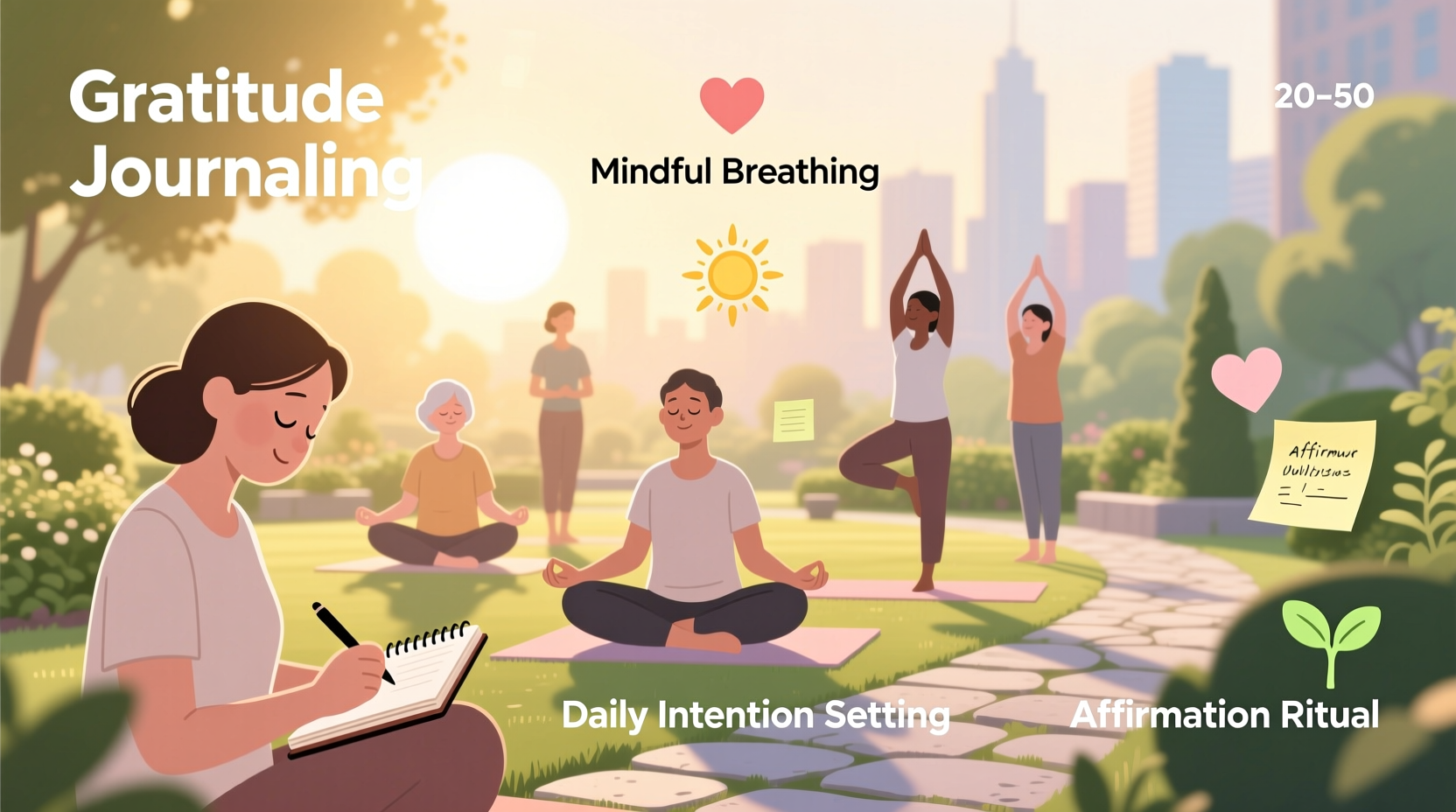
The way you talk to yourself matters. Negative self-talk—such as “I always mess up” or “Nothing ever works out”—creates mental shortcuts that reinforce pessimism and helplessness. Cognitive reframing is a psychological technique used in cognitive behavioral therapy (CBT) to challenge distorted thoughts and replace them with balanced, constructive alternatives.
Start by identifying automatic negative thoughts when they arise. Ask: Is this thought based on facts or feelings? What would I say to a friend in this situation? Then, rephrase the thought with nuance and compassion. For example, instead of “I failed at this project,” try “This didn’t go as planned, but I learned valuable lessons for next time.”
Build a Daily Gratitude Practice
Gratitude shifts attention from what’s lacking to what’s present. Research from positive psychology shows that regular gratitude practice increases long-term well-being, improves sleep, and reduces symptoms of depression. It doesn’t require grand gestures—small, consistent actions yield the best results.
Each day, write down three specific things you’re grateful for. Avoid generic entries like “my family.” Instead, focus on details: “I’m grateful for the warm cup of tea I enjoyed this morning while reading” or “I appreciated my coworker’s thoughtful feedback during our meeting.” Specificity deepens emotional impact.
“Gratitude turns what we have into enough. It’s not about denying hardship, but about expanding awareness of what sustains us.” — Dr. Robert Emmons, Leading Gratitude Researcher
A 5-Minute Morning Routine for Mindset Shift
- Sit quietly with a notebook or digital note app.
- Write three things you’re grateful for (be specific).
- Reflect on one personal strength you used recently.
- Set one small intention for the day (e.g., “I will listen fully in conversations”).
- Breathe deeply for one minute, visualizing the day unfolding with calm and purpose.
Cultivate Positive Inputs and Environment
Your mindset is influenced by what you consume—information, media, relationships, and even physical spaces. Just as nutrition affects physical health, mental “nutrition” affects emotional well-being. If your daily inputs are dominated by negative news, social media comparison, or toxic interactions, maintaining positivity becomes significantly harder.
Be intentional about what you allow into your mental space. Limit exposure to sensationalized news. Curate your social media feeds to include uplifting content, educational material, and accounts that inspire rather than provoke envy. Surround yourself with people who encourage growth and express kindness.
| Input Type | Supports Positivity When… | Undermines Positivity When… |
|---|---|---|
| Social Media | You follow inspiring creators and limit usage to 30 min/day | You scroll endlessly comparing your life to curated highlights |
| News Consumption | You read summaries once daily from credible sources | You check breaking alerts hourly, focusing on worst-case scenarios |
| Conversations | You engage in meaningful dialogue with supportive friends | You frequently participate in gossip or complain sessions |
Practice Acts of Kindness and Connection
Positivity thrives in connection. Engaging in prosocial behavior—not for recognition, but from genuine care—boosts mood and strengthens a sense of purpose. Studies show that performing acts of kindness increases serotonin and dopamine, the brain’s natural mood enhancers.
These acts don’t need to be large. Compliment a colleague sincerely. Hold the door for someone. Send a text to a friend just to say you’re thinking of them. Volunteer for a cause you care about. Each gesture reinforces your agency and reminds you that you can positively influence the world around you.
Mini Case Study: Sarah’s Mindset Transformation
Sarah, a 38-year-old project manager, felt overwhelmed by work stress and personal doubts. She often described herself as “chronically anxious” and “never good enough.” After learning about mindset practices, she began small: each morning, she wrote three things she was grateful for and one thing she did well the previous day. She also committed to limiting her news intake to 15 minutes each evening and replaced late-night scrolling with reading fiction.
Within four weeks, Sarah noticed subtle shifts. She caught herself thinking, “I handled that difficult email calmly,” instead of spiraling into self-criticism. Her improved sleep and reduced anxiety allowed her to approach problems with clarity. Six months later, she initiated a team gratitude ritual during meetings, which boosted morale and collaboration. Sarah didn’t eliminate stress, but she transformed her relationship with it—through deliberate, daily choices.
Create a Personal Positivity Checklist
Sustained change comes from consistency, not intensity. Use this checklist to integrate positivity-building habits into your routine. Aim to complete at least 4–5 items daily.
- ✔️ Start the day with three gratitude statements
- ✔️ Reframe one negative thought with a balanced perspective
- ✔️ Spend 10 minutes in nature or quiet reflection
- ✔️ Perform one small act of kindness
- ✔️ Consume uplifting or educational content (podcast, book, article)
- ✔️ End the day with a brief review: What went well? What did I learn?
- ✔️ Limit screen time before bed; avoid doomscrolling
Frequently Asked Questions
Can positivity really be learned, or is it just personality?
While some people may have a naturally optimistic disposition, decades of research in neuroscience and psychology confirm that positivity can be cultivated. Neuroplasticity allows the brain to form new pathways through repeated thought patterns and behaviors. With practice, anyone can strengthen their capacity for resilience, gratitude, and constructive thinking.
What if I’m going through a genuinely hard time? Isn’t forced positivity harmful?
Authentic positivity isn’t about denying pain or pretending everything is fine. It’s about acknowledging difficulty while also recognizing strengths, resources, and moments of light. Toxic positivity—the pressure to stay upbeat at all costs—is counterproductive. Healthy positivity includes space for grief, frustration, and vulnerability, while still choosing to look for meaning and hope where possible.
How long does it take to see results from these practices?
Many people report subtle shifts in mood and awareness within two to three weeks of consistent practice. However, lasting transformation typically takes 6–8 weeks or longer. Like building physical fitness, mental habits require repetition and patience. Focus on progress, not perfection.
Conclusion: Your Mindset, Your Foundation
Transforming your daily mindset isn’t about achieving constant happiness. It’s about developing a resilient inner foundation that allows you to navigate life’s ups and downs with greater clarity, courage, and compassion. The strategies outlined here—reframing thoughts, practicing gratitude, curating inputs, connecting with others, and acting with intention—are not quick fixes, but lifelong tools.
Start where you are. Pick one strategy and commit to it for seven days. Notice the shifts, however small. Over time, these practices compound, reshaping your internal landscape and opening doors to deeper fulfillment. You don’t need to wait for circumstances to improve to begin cultivating positivity. Begin today—your future self will thank you.




 浙公网安备
33010002000092号
浙公网安备
33010002000092号 浙B2-20120091-4
Comments
No comments yet. Why don't you start the discussion?