
For many cat owners, dressing their feline in a bib is more than just a cute accessory—it serves practical purposes such as protecting fur during messy meals, managing drooling, or preventing soiling after grooming. However, cats are creatures of habit and sensitivity, and introducing any new item, especially one that touches their body, can be met with resistance. The key to success lies not in force, but in patience, understanding, and a structured approach. With the right techniques, most cats can learn to tolerate—and even accept—wearing a bib comfortably.
Understanding Feline Sensitivity to New Textures
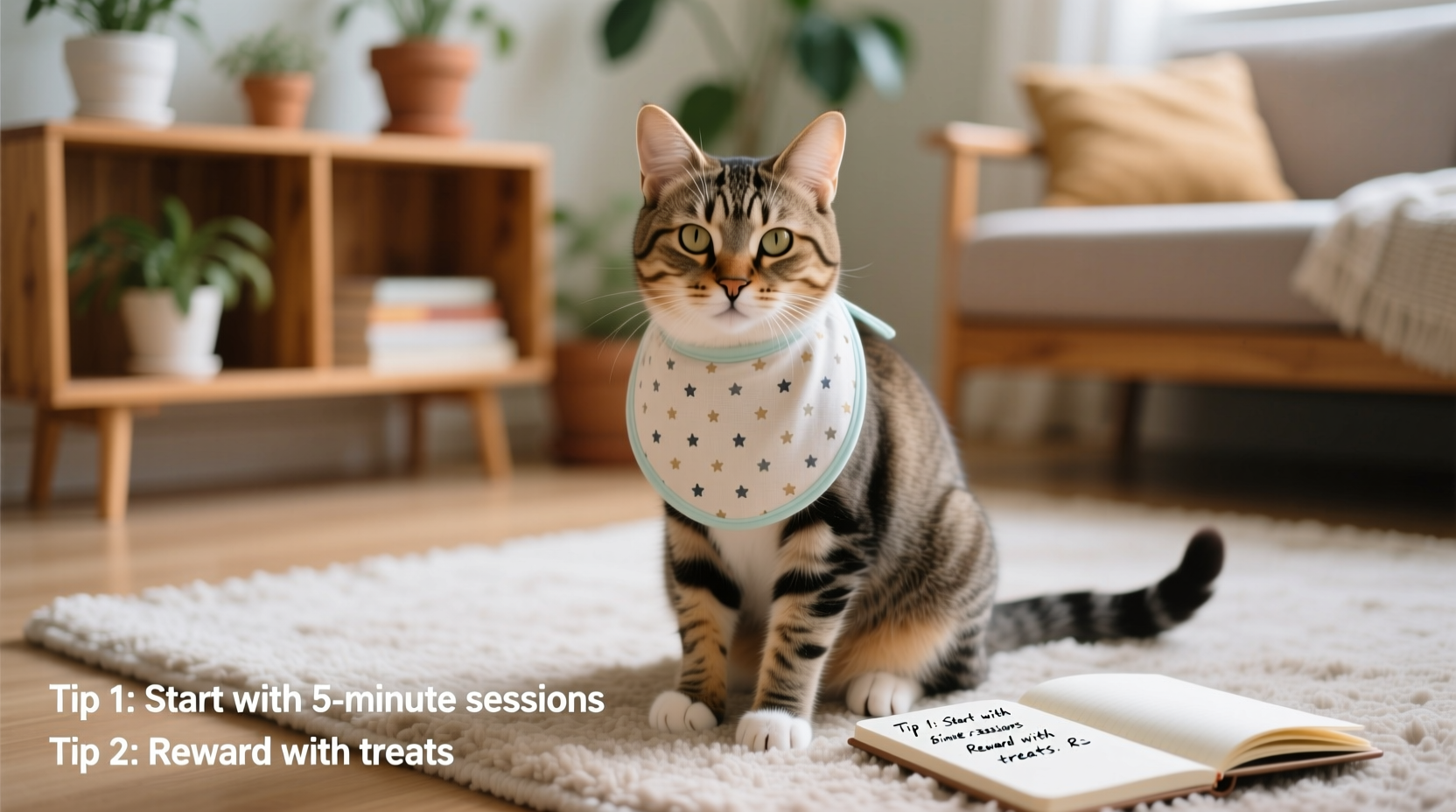
Cats possess an acute sense of touch, particularly around their necks and shoulders. This makes them highly reactive to unfamiliar fabrics, tightness, or movement against their skin. A bib, even if lightweight, may trigger instinctive discomfort due to its novelty and restriction. Recognizing this sensitivity is the first step in building trust during the acclimation process.
Unlike dogs, cats rarely respond well to immediate imposition of accessories. Their acceptance depends on how the item is introduced. Rushing the process often leads to fear-based reactions such as hiding, swatting, or excessive grooming to remove the object. Instead, a slow, reward-based method allows the cat to associate the bib with safety and comfort.
Step-by-Step Introduction Process
Introducing a bib should follow a clear progression over several days. Each phase builds familiarity and reduces anxiety through controlled exposure and positive reinforcement.
- Phase 1: Familiarization (Day 1–2) – Place the folded bib near your cat’s favorite resting spot. Allow them to sniff and investigate it without pressure. Reward curiosity with treats or affection.
- Phase 2: Touch Exposure (Day 3–4) – Gently drape the bib over your cat’s back for a few seconds while offering high-value treats. Remove it immediately after. Repeat multiple times daily, gradually increasing duration.
- Phase 3: Fastening Practice (Day 5–6) – Clip or tie the bib loosely around the neck without securing it tightly. Let your cat move freely with it for short intervals. Monitor for signs of distress.
- Phase 4: Wearing with Activity (Day 7 onward) – Allow your cat to wear the bib during low-stress activities like eating or grooming. Gradually extend wear time as tolerance increases.
The timeline varies by individual. Some cats adapt within a week; others may need two weeks or more. Consistency and calmness from the owner are crucial throughout.
Selecting the Right Bib Design
Not all cat bibs are created equal. An ill-fitting or poorly designed bib will increase resistance regardless of training effort. Consider these factors when choosing one:
| Feature | Recommended | Avoid |
|---|---|---|
| Material | Soft cotton, jersey knit, or microfiber | Rubber-backed, plastic-coated, or stiff fabrics |
| Fit | Adjustable Velcro or snap closures | Tight elastic or non-adjustable straps |
| Weight | Lightweight, under 2 oz | Bulky or multi-layered designs |
| Coverage | Only covers chest and upper belly | Extends too far under legs or restricts movement |
A well-designed bib should lie flat without pulling, allow full range of motion, and not interfere with grooming or scratching.
Positive Reinforcement Techniques
Behavioral conditioning plays a central role in helping cats accept new experiences. Pairing the bib with pleasurable activities strengthens positive associations.
- Offer treats only when the bib is on or being introduced.
- Engage in playtime immediately after successful wearing sessions.
- Use calming praise in a soft tone during handling.
- Feed meals while the bib is worn to create a routine link.
Avoid scolding or forcing the cat if they resist. Negative reactions erode trust and prolong adaptation. If your cat removes the bib repeatedly, shorten the duration and revisit earlier phases before progressing.
“Cats thrive on predictability. When new items are paired with rewards and gentle exposure, resistance often fades within days.” — Dr. Lena Patel, Feline Behavior Specialist
Real-Life Example: Introducing a Bib to a Senior Cat
Milo, a 12-year-old domestic shorthair, began drooling excessively after dental surgery. His owner, Sarah, needed a bib to keep his chest clean but found him agitated when she tried to put one on. Initially, Milo would freeze, then dash away.
Sarah followed a gradual plan: she left the bib on the couch for two days, sprinkling treats nearby. On day three, she draped it over his back for five seconds during treat time. Over the next week, she increased contact slowly, always pairing it with tuna-flavored snacks. By day ten, Milo allowed the bib to be fastened during meals. Now, he wears it willingly for 20-minute intervals post-feeding, showing no signs of stress.
This case illustrates that even older, less adaptable cats can learn to accept accessories when introduced with empathy and structure.
Troubleshooting Common Challenges
Even with careful planning, issues may arise. Here’s how to address frequent concerns:
- Excessive grooming or biting the bib: Indicates irritation. Check for tightness or rough seams. Switch materials if needed.
- Hiding or freezing: Suggests fear. Return to earlier phases and reduce handling time.
- Refusal to eat while wearing it: Decouple feeding from bib-wearing temporarily. Reintroduce once comfort improves.
- Scratching at the neck: May signal poor fit. Ensure the closure doesn’t rub sensitive areas.
Essential Checklist for Success
Follow this checklist to ensure a smooth transition:
- ✅ Choose a soft, lightweight bib with adjustable fasteners
- ✅ Allow your cat to explore the bib before use
- ✅ Use high-value treats during every interaction
- ✅ Start with brief contact (seconds), then gradually increase
- ✅ Monitor body language for signs of stress
- ✅ Never punish resistance—pause and reassess
- ✅ Integrate the bib into positive routines like mealtime
- ✅ Wash the bib regularly to maintain hygiene and comfort
Frequently Asked Questions
How long should I let my cat wear the bib each day?
Begin with 1–2 minutes and increase gradually. Most cats can tolerate 15–30 minutes within a week. For ongoing use, limit continuous wear to under an hour unless medically necessary, and always supervise.
Can I leave the bib on my cat unattended?
No. Never leave a cat unsupervised while wearing a bib. There’s a risk of entanglement, chewing, or restricted movement if it shifts. Remove it when you’re not present.
My cat keeps removing the bib—what should I do?
This is common early on. Focus on shorter sessions and stronger rewards. If removal persists, consider a more secure (yet comfortable) fastening method or consult a vet behaviorist for personalized advice.
Final Thoughts and Encouragement
Helping your cat feel at ease wearing a bib is a journey rooted in patience and mutual respect. It’s not about winning a battle of wills, but about guiding your cat through change with kindness. Every small step—allowing a touch, accepting a fastener, sitting calmly while dressed—is a victory worth celebrating.
With consistent effort, most cats adapt surprisingly well. The bond you strengthen during this process often extends beyond the bib itself, deepening your understanding of your cat’s needs and communication.




 浙公网安备
33010002000092号
浙公网安备
33010002000092号 浙B2-20120091-4
Comments
No comments yet. Why don't you start the discussion?