
Carrying a backpack may seem like a simple task, but for young children, it’s an important milestone in developing physical coordination, responsibility, and independence. Whether heading to preschool, elementary school, or on outdoor adventures, the ability to manage their own bag empowers kids and reduces daily stress for parents. However, many children struggle with weight, fit, motivation, or posture, leading to discomfort or resistance. The key lies not just in handing them a backpack, but in guiding them through a supportive, structured process that builds confidence over time.
Choose the Right Backpack for Their Size and Needs
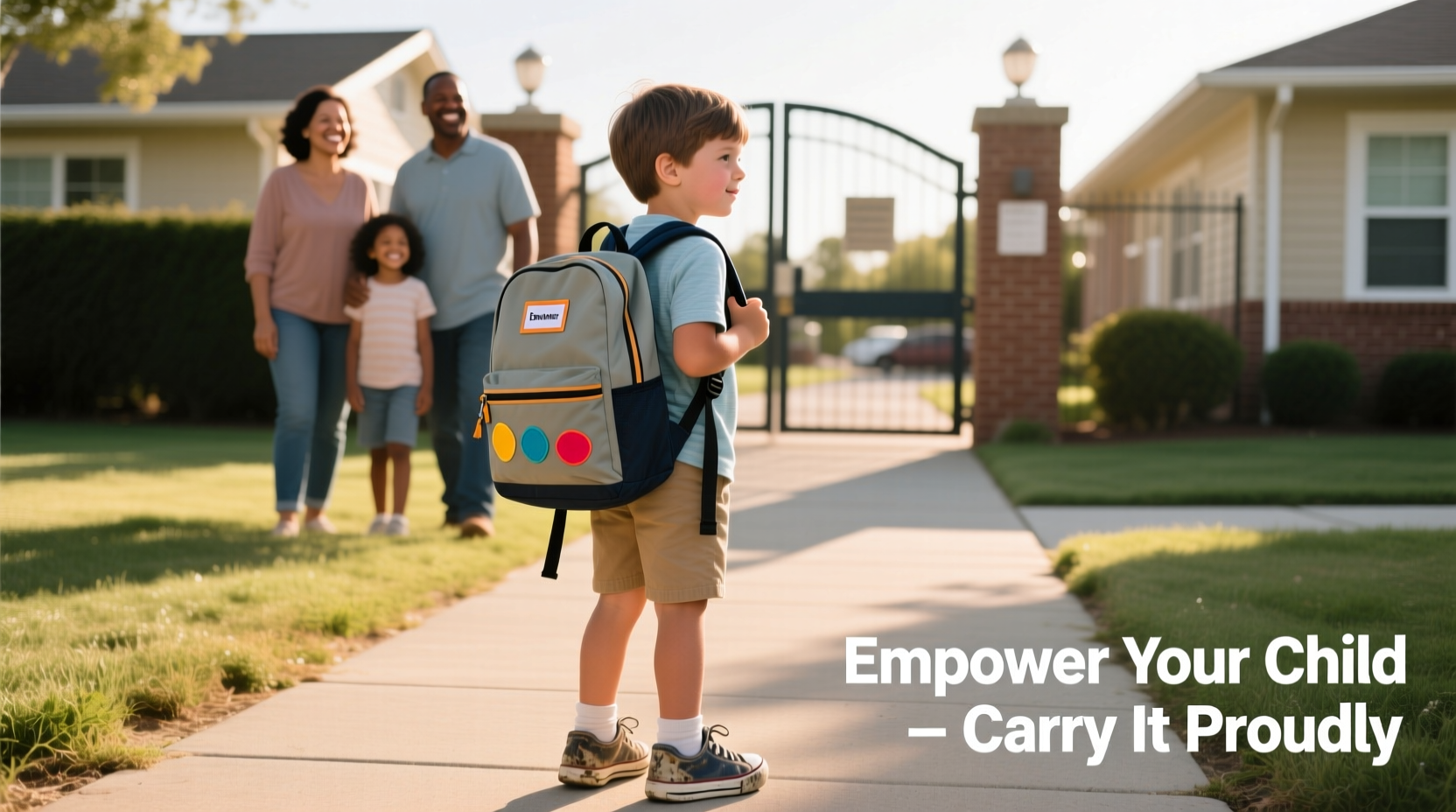
The foundation of confident backpack carrying starts with selecting the right pack. A poorly fitted or overly heavy backpack can discourage use and lead to poor posture or strain. The ideal backpack should sit comfortably between the shoulders and hips, with padded shoulder straps and a chest or waist strap for added stability.
When shopping, involve your child in the decision-making process. Let them try on different models and walk around with a light load. This helps them feel ownership and ensures comfort. Avoid trendy designs that sacrifice function—look instead for ergonomic features, reflective details for safety, and compartments that encourage organization.
| Age Group | Backpack Height (inches) | Max Weight Recommendation | Key Features |
|---|---|---|---|
| 3–5 years | 10–12\" | 2–3 lbs | Padded straps, lightweight frame, front pocket |
| 6–9 years | 14–16\" | 5–7 lbs | Chest strap, back padding, side water bottle pocket |
| 10–12 years | 16–18\" | 10–12 lbs | Waist strap, laptop sleeve, ventilated back panel |
Teach Proper Wearing and Loading Habits Early
Even the best backpack won’t help if worn incorrectly. Many children sling one strap over a single shoulder, which leads to muscle imbalance and spinal strain. Teach your child to always use both straps and adjust them so the backpack rests snugly against the back, just below the shoulders and above the hips.
Loading matters just as much as wearing. Heavier items—like books or water bottles—should be packed closest to the back and centered low in the bag. Lighter items go toward the outside or front pockets. This keeps the center of gravity close to the body, making the load feel lighter and easier to balance.
“Children who learn proper backpack use by age 6 are less likely to develop postural issues later. It’s not just about carrying—it’s about building lifelong habits.” — Dr. Lena Torres, Pediatric Physical Therapist
Step-by-Step Guide: Teaching Your Child to Pack and Wear Correctly
- Start empty: Show how to put on the backpack without weight, adjusting straps until it fits snugly.
- Add weight gradually: Begin with one book or a small toy, then increase over days.
- Demonstrate packing order: Place heaviest items at the back, near the spine.
- Practice at home: Have your child walk around the house, up stairs, and bend safely while wearing it.
- Check alignment: Ensure the backpack doesn’t hang more than 4 inches below the waist.
Build Strength and Confidence Through Play and Routine
Some children resist carrying backpacks because they genuinely lack the core and shoulder strength needed. Instead of forcing compliance, integrate strength-building into everyday play. Simple activities like obstacle courses, animal walks (bear crawls, crab walks), or even helping carry groceries build functional muscles used in carrying loads.
Create a “backpack practice” game: set up a mini scavenger hunt where your child wears their backpack and collects small items around the house or yard. Turn loading and unloading into a timed challenge or sorting game. When learning feels like play, resistance fades.
Consistency is equally important. Establish a routine where your child is responsible for packing their own bag each morning—even if you double-check. Over time, this builds autonomy. Celebrate small wins: “You carried your backpack all the way to the car today—great job!”
Real Example: How One Family Transformed Backpack Struggles
Six-year-old Maya started first grade refusing to carry her backpack beyond the driveway. Her parents noticed she’d drop it every few steps, complaining it was “too heavy” or “hurting my shoulders.” After a consultation with her pediatrician, they discovered two issues: the backpack was too large, and Maya lacked upper-body strength.
The family took action. They replaced the oversized bag with a properly fitted model and began a weekly “Strength Adventure Hour” involving playground climbing, tug-of-war with a soft rope, and walking with a lightly loaded backpack during weekend hikes. At home, they created a sticker chart for each day Maya carried her backpack independently to the school gate.
Within six weeks, Maya not only carried her backpack confidently but began reminding her younger brother to wear his properly. Her teacher noted improved posture and engagement during transitions between classes.
Common Mistakes Parents Make (and How to Avoid Them)
- Overpacking: Sending kids to school with unnecessary items doubles the weight. Only essentials belong in the daily pack.
- Doing it for them: Carrying the backpack “just this once” undermines independence. Stay consistent.
- Ignoring fit changes: Children grow quickly. Reassess backpack fit every 4–6 months.
- Using punishment: Shaming a child for struggling discourages effort. Focus on support and gradual progress.
“Confidence comes from competence. When kids feel capable, they act capable.” — Rafael Kim, Early Childhood Educator
FAQ: Common Questions About Kids and Backpacks
How heavy is too heavy for a child’s backpack?
A child’s backpack should weigh no more than 10–15% of their body weight. For a 60-pound child, that means a maximum of 6–9 pounds. Weigh the loaded backpack weekly to stay within safe limits.
My child keeps slouching with their backpack—what should I do?
First, check the fit and weight. If those are correct, practice posture drills at home: have your child walk with a book balanced on their head or practice “superhero stance” (chest up, shoulders back) while wearing the pack. Consider a backpack with a chest strap to naturally pull shoulders back.
At what age should a child start carrying their own backpack?
Most children can begin carrying a lightweight backpack consistently by age 4–5, especially if introduced gradually. Younger children can practice with empty or minimally loaded packs during short outings to build familiarity.
Essential Checklist for Backpack Success
- ✅ Choose a properly sized, ergonomically designed backpack
- ✅ Teach and reinforce two-strap use and proper fit
- ✅ Pack heavier items close to the back and low in the bag
- ✅ Limit total weight to 10–15% of your child’s body weight
- ✅ Practice carrying at home using games and routines
- ✅ Build strength through active play and movement
- ✅ Establish a daily packing habit with visual aids
- ✅ Monitor fit and usage weekly, adjusting as needed
Conclusion: Empower Your Child One Step at a Time
Helping your child carry their backpack confidently isn’t just about logistics—it’s about nurturing independence, physical awareness, and self-reliance. With the right tools, guidance, and patience, even the most reluctant child can learn to manage their own gear with pride. Start small, celebrate progress, and remember that consistency builds confidence far more than perfection ever could.




 浙公网安备
33010002000092号
浙公网安备
33010002000092号 浙B2-20120091-4
Comments
No comments yet. Why don't you start the discussion?