
In a world of constant notifications, shifting priorities, and relentless demands on attention, staying grounded can feel like an elusive goal. Yet, the ability to remain centered—emotionally stable, mentally clear, and present—is not reserved for monks or mindfulness gurus. It’s a skill that can be cultivated through consistent, practical habits. Groundedness isn’t about escaping stress; it’s about building resilience so you respond to life with awareness rather than reactivity. The following strategies are designed to integrate seamlessly into daily routines, helping you maintain equilibrium even during turbulent times.
1. Anchor Yourself with Mindful Breathing
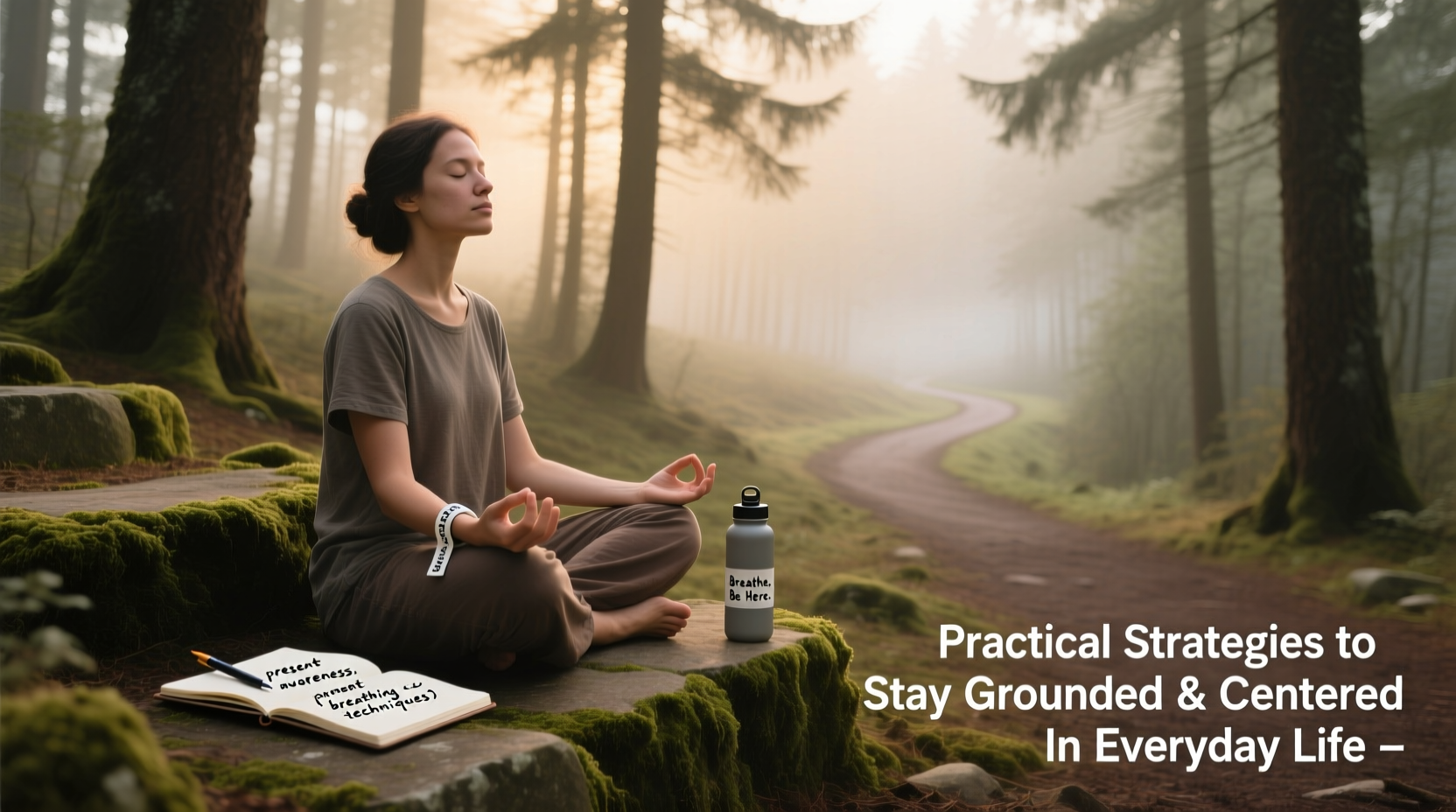
Breath is both automatic and intentional—a bridge between the conscious and subconscious mind. When anxiety rises or distractions pull focus, returning to the breath offers an immediate way to reset. You don’t need to meditate for hours. Just three minutes of intentional breathing can shift your nervous system from fight-or-flight to rest-and-digest mode.
Try this simple technique: inhale slowly through the nose for four counts, hold for four, exhale through the mouth for six, and pause for two before repeating. This extended exhale activates the vagus nerve, which helps regulate heart rate and calm the mind.
2. Create Daily Anchors Through Rituals
Rituals provide structure and predictability, both of which foster psychological safety. Unlike rigid schedules, rituals are meaningful actions that signal transitions and promote presence. They don’t have to be elaborate—just consistent and intentional.
- Morning: Begin the day with 5 minutes of silence, journaling one thing you’re grateful for.
- Midday: Step outside and walk without your phone for five minutes.
- Evening: Reflect on one moment from the day that felt peaceful or meaningful.
These micro-rituals train the brain to return to the present, reducing mental clutter and reinforcing a sense of control.
“Rituals are not about perfection—they’re about presence. A cup of tea drunk with full attention becomes a meditation.” — Jon Kabat-Zinn, Mindfulness Expert
3. Practice Sensory Grounding Techniques
When overwhelmed, the mind often races into the future or replays the past. Sensory grounding brings awareness back to the body and the now. One of the most effective methods is the 5-4-3-2-1 technique:
- 5 things you can see – notice colors, shapes, textures around you.
- 4 things you can touch – feel your feet in shoes, fabric on skin, the chair beneath you.
- 3 things you can hear – listen to distant traffic, birdsong, or silence.
- 2 things you can smell – perhaps coffee, soap, or fresh air.
- 1 thing you can taste – sip water or recall a recent flavor.
This exercise interrupts rumination by redirecting attention to real-time sensory input. It’s especially useful before meetings, during conflicts, or when anxiety spikes unexpectedly.
4. Set Physical and Emotional Boundaries
Being grounded also means knowing where you end and others begin. Without healthy boundaries, energy leaks into overcommitment, people-pleasing, or absorbing others’ emotions. This depletes your capacity to stay centered.
| Boundary Type | Do | Avoid |
|---|---|---|
| Time | Block personal time in your calendar and treat it as non-negotiable. | Saying yes to every request without checking your capacity. |
| Emotional | Listen without fixing; recognize others’ feelings aren’t yours to carry. | Taking responsibility for how someone else feels. |
| Digital | Turn off notifications after 8 PM; designate screen-free zones. | Checking work emails during family dinners or bedtime. |
Boundaries aren’t walls—they’re filters that protect your inner stability so you can show up more fully when it matters.
5. Move Your Body with Intention
The body holds tension long after the mind forgets the source of stress. Physical movement—especially slow, mindful forms like yoga, tai chi, or walking—is one of the fastest ways to discharge accumulated stress and reconnect with the present.
Even five minutes of stretching or shaking out your limbs (yes, literally shaking) can release trapped energy. Focus on sensations: the pressure of your feet on the floor, the rhythm of your arms swinging, the temperature of the air on your skin. Movement with awareness grounds you faster than movement alone.
Mini Case Study: Recovering Focus After a Crisis
Sarah, a project manager at a tech startup, found herself overwhelmed after a major product launch failed. She was sleeping poorly, snapping at colleagues, and feeling detached from her usual self. Instead of taking time off, she implemented small grounding practices: morning breathwork, a lunchtime walk without her phone, and a nightly journal entry listing three things that went well—even if minor.
Within two weeks, her sleep improved, and she reported feeling “less hijacked by stress.” She didn’t change her workload, but by anchoring herself in daily rituals, she changed her relationship to it. Her team noticed her calmer demeanor and began mirroring her composure during high-pressure meetings.
Checklist: Stay Grounded in Any Situation
Use this checklist to reinforce grounding habits throughout your day:
- ✅ Start the day with three deep breaths before getting out of bed.
- ✅ Pause and name your emotion before reacting in a tense moment.
- ✅ Take a 5-minute walk without devices at least once daily.
- ✅ Drink a glass of water upon waking and before meals—hydration supports cognitive clarity.
- ✅ End the day by writing down one positive experience, no matter how small.
- ✅ Notice physical tension and consciously relax those areas (jaw, shoulders, hands).
- ✅ Say “I’ll think about it” instead of immediately saying yes to new requests.
Frequently Asked Questions
How do I stay centered when everything feels out of control?
Focus on what you *can* influence: your breath, your next small action, your self-talk. Control is an illusion; agency is real. Choose one grounding practice—like walking or journaling—and commit to it consistently. Over time, your baseline stability will rise, even amid external chaos.
Can grounding help with anxiety?
Yes. Grounding techniques interrupt the cycle of anxious thoughts by redirecting attention to the present moment and the body. They don’t eliminate anxiety, but they reduce its intensity and duration by preventing escalation. Used regularly, they strengthen neural pathways associated with calm and self-regulation.
What if I don’t have time for grounding practices?
You don’t need extra time—just redirection. Turn existing moments into opportunities: breathe deeply while brushing your teeth, feel your feet while waiting in line, listen fully during conversations instead of planning your response. Grounding isn’t another task—it’s a quality of attention woven into daily life.
Conclusion: Begin Where You Are
Staying grounded isn’t about achieving perfect peace. It’s about returning—again and again—to yourself, even in motion. These strategies work not because they’re complex, but because they’re repeatable. You don’t need a retreat or a week off. You need only a few seconds of awareness, repeated throughout the day.
Choose one practice from this article and apply it today. Notice what shifts. Share what works with someone you care about. Small steps, taken consistently, build unshakable presence. You already have everything you need to be centered—you just have to remember to use it.




 浙公网安备
33010002000092号
浙公网安备
33010002000092号 浙B2-20120091-4
Comments
No comments yet. Why don't you start the discussion?