
Flying with a toddler isn’t just challenging—it can feel like preparing for a tactical mission. Between unpredictable moods, nap disruptions, and the confined space of an airplane cabin, even seasoned travelers can feel overwhelmed. Yet millions of families do it every year. The difference between a meltdown-filled flight and a relatively smooth journey often comes down to preparation, mindset, and a few well-tested strategies. This guide compiles real-world advice grounded in parenting experience and child development principles to help you survive—and possibly enjoy—your next trip.
Prepare Like a Pro: The 72-Hour Countdown
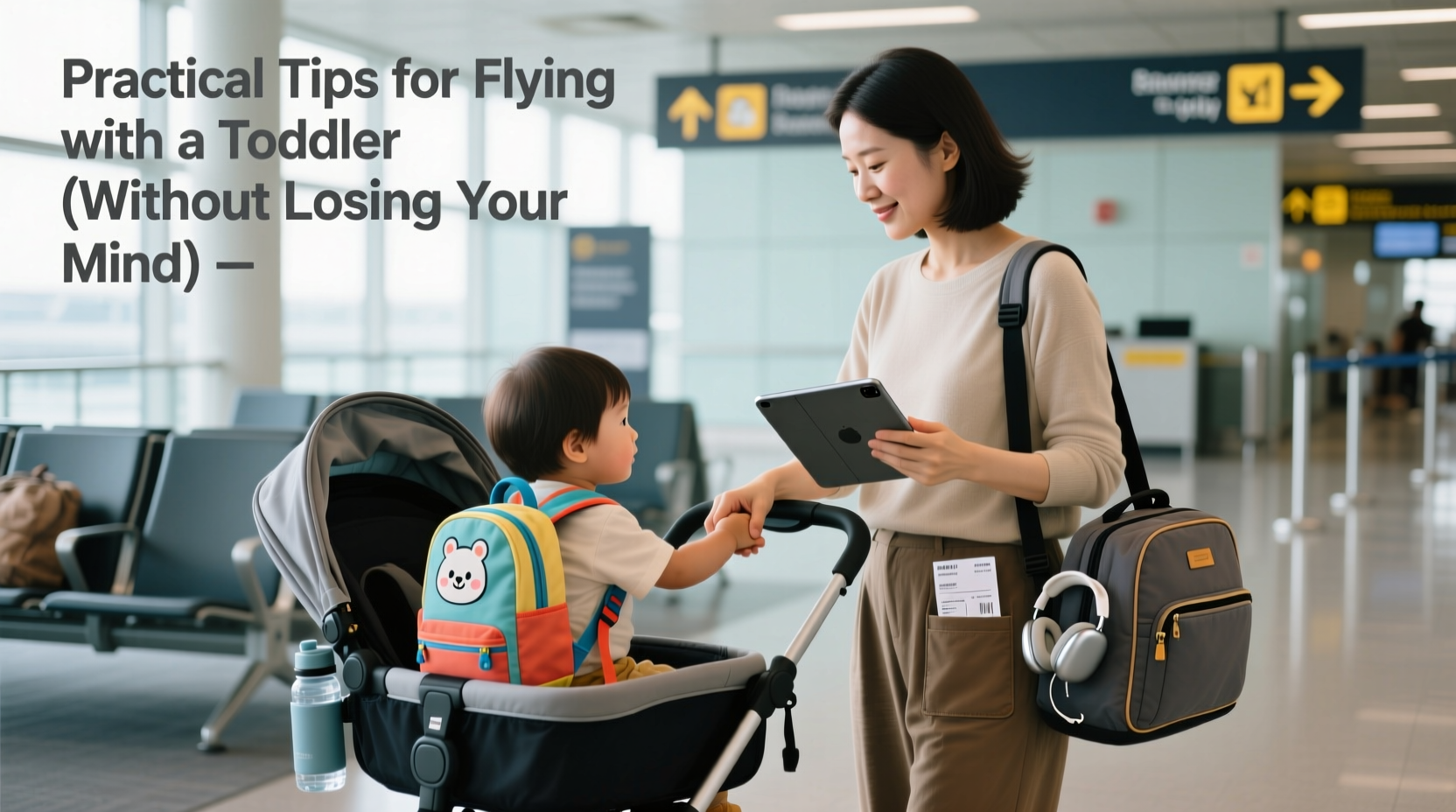
The foundation of a successful flight is laid days before takeoff. Waiting until airport check-in to organize your toddler’s needs sets you up for stress. Begin your prep early with a clear timeline.
- 72 hours out: Confirm flight details, seat selection, and any special requests (like bassinets on long-haul flights). Pack non-perishable snacks, charge devices, and download new shows or games to avoid “I’ve seen this already” protests.
- 48 hours out: Introduce new comfort items. If you’re using a new travel pillow or blanket, let your toddler sleep with it at home first. Familiarity reduces anxiety in unfamiliar environments.
- 24 hours out: Finalize your carry-on. Use a checklist (see below) to ensure essentials are packed and easily accessible. Avoid overpacking—bulk makes managing gear while holding a wriggling child much harder.
- Day of travel: Dress your toddler in soft, stretchy clothing with minimal fasteners. Layers are ideal for adjusting to temperature changes. Apply sunscreen if passing through sunny terminals, and skip heavy lotions that might irritate skin during dry cabin air exposure.
Your Toddler Travel Checklist: Don’t Board Without These
Having the right supplies is half the battle. This checklist covers essentials tailored specifically for toddlers—not babies, not older kids, but the uniquely demanding 1- to 3-year-old phase.
- At least three full outfit changes (including socks)
- Ziplock bags for soiled clothes
- Favorite small toy (under 5 oz to pass security smoothly)
- One new toy or sticker book—unseen until boarding
- Wipes (flushable only if labeled as such)
- Diapers and pull-ups (pack extras—delays happen)
- Non-messy snacks: puffs, dry cereal, teething crackers, fruit strips
- Spill-proof sippy cup and collapsible silicone bowl
- Child-sized headphones (noise-reducing, not just volume-limiting)
- Mini first-aid kit: bandages, antiseptic wipe, children’s pain reliever
- Comfort item: lovey, small blanket, or family photo book
- Printed backup: storybook or coloring pages with crayons clipped to page
Seat Strategy: Where to Sit for Maximum Sanity
Not all seats are created equal when traveling with a toddler. Your choice impacts access, movement, and overall stress levels.
| Seat Option | Pros | Cons |
|---|---|---|
| Front of cabin (exit row not allowed) | First to deplane, less turbulence, easier restroom access | Premium price; limited availability |
| Window seat | Less foot traffic, view distracts curious toddlers | Harder to get toddler in/out for bathroom trips |
| Aisle seat | Easier access for stretching legs or quick potty runs | Kicks neighboring passengers’ trays; more disruptions |
| Middle seat (with partner) | One adult can manage toddler while other handles bags | Crowded; no personal space; higher chance of disturbing two people |
| Over-wing bulkhead | Extra legroom; bassinet attachment on long flights | Louder engine noise; farther from restrooms on large planes |
Bulkhead seats are often ideal for families—but they’re limited and sometimes reserved for passengers with disabilities. Book early and call the airline to request one, explaining you’re traveling with a young child. While not guaranteed, many carriers will accommodate when possible.
Real-Life Example: A Transatlantic Flight That Didn’t End in Tears
Sarah, a mother of a 22-month-old, flew solo from Boston to Rome with her toddler. She anticipated disaster—this was their first long-haul flight together. But instead of chaos, she received compliments from the flight crew.
Her secret? Preparation layered with psychological insight. She scheduled the flight during her daughter’s usual nap window. She brought a familiar fleece blanket from home, pre-warmed in a dryer at the airport. She introduced a new “airplane-only” felt board with animal shapes—novel enough to captivate, quiet enough not to annoy others. When her daughter grew restless, Sarah didn’t wait for crying. She proactively offered a snack, then a song, then a short walk up the aisle with assistance from a flight attendant.
“I stopped seeing my job as keeping her quiet,” Sarah said later, “and started seeing it as helping her regulate in a strange place. That shift changed everything.”
This case illustrates a key truth: success isn’t about perfection. It’s about responsiveness, anticipation, and emotional regulation—for both parent and child.
Distraction vs. Engagement: What Actually Works
Many parents rely on distraction—handing over a tablet or candy to stop a tantrum. But distraction is reactive. Engagement is proactive. Toddlers thrive on predictability and involvement. Use these techniques to keep them mentally occupied, not just temporarily silenced.
- Interactive storytelling: Make up a story using people around you. “Look—the man with the red shoes is going to visit a dragon!” Let your toddler add details.
- Sensory bags: Fill a ziplock with hair gel and floating beads. Seal tightly and let your toddler squish and explore.
- Sticker scenes: Use reusable sticker pads with themes like farms or space. Let them create stories with placement.
- Guess the sound: Play mimic games. “What animal goes ‘moo’? Can you hop like a bunny?”
- Touch tour: Gently guide their hand to safe textures—seat fabric, tray table, your jacket. Name each: “Soft. Bumpy. Smooth.”
Screen time has its place—especially on long flights—but use it strategically. Start with low-volume, high-engagement apps (like drawing or music), not passive video. Rotate screen use with physical interaction every 15–20 minutes to prevent overstimulation.
“Children under three don’t need entertainment—they need connection. Even in transit, moments of eye contact, touch, and shared attention build security.” — Dr. Lena Patel, Child Development Specialist
In-Flight Troubleshooting: Handling Common Emergencies
No matter how prepared you are, unexpected issues arise. Here’s how to handle them calmly and effectively.
Ear Pain During Descent
Changing cabin pressure affects tiny Eustachian tubes. To help equalize:
- Offer a bottle, breastfeed, or sippy cup during descent.
- If old enough, encourage swallowing with a small snack.
- For toddlers who chew, offer a teething biscuit.
- Yawning can be prompted by mimicking it yourself—toddlers often copy.
Tantrum in a Full Cabin
Stay calm. Reacting with frustration escalates tension. Instead:
- Lower your voice instead of raising it.
- Use simple language: “I see you’re upset. We’re almost there.”
- Offer a hug or hold their hands—physical reassurance grounds them.
- If safe, take a walk up the aisle with them.
- Apologize briefly to nearby passengers if needed, but don’t over-apologize. You’re doing your best.
Diaper Blowout or Spill
Contain the mess immediately:
- Use a changing pad on the floor of the airplane bathroom if the built-in table won’t fit.
- Wrap soiled clothes in a plastic bag and seal it.
- Disinfect surfaces with wipes—even if it’s not your responsibility, it’s considerate.
- Ask flight attendants for extra bags or wipes—they usually have spares.
FAQ: Real Questions from Real Parents
Should I give my toddler melatonin or sedatives to sleep on the plane?
No. Pediatricians strongly advise against using sleep aids for healthy toddlers during travel. These substances can cause paradoxical reactions—increased agitation or confusion—and impair breathing, especially at altitude. Instead, align the flight with their natural sleep rhythm when possible, and use white noise and comfort items to support rest.
What if my toddler refuses to sit in their seat?
On most airlines, children over two must have their own seat and remain seated during taxi, takeoff, landing, and turbulence. Practice seat rules at home using a booster chair. During the flight, praise sitting behavior: “You’re doing such a great job staying in your spot!” Offer small rewards after short intervals. If they resist, stay firm but calm—consistency reduces testing behavior.
How do I handle judgmental looks from other passengers?
Remember: most people have seen or experienced this. Some are empathetic; others aren’t worth your energy. Focus on your child, not strangers. If someone comments, a simple “We’re doing our best” suffices. Bring noise-canceling headphones for yourself too—not just to block sound, but as a visual cue that you’re managing a complex situation.
Final Tips for Staying Sane: Mindset Matters Most
The most important tool you carry isn’t in your bag—it’s your mindset. Accept that some things will go wrong. A spilled drink. A missed nap. A cry that lasts longer than you’d like. None of these mean you’ve failed.
Shift your goal from “perfect behavior” to “safe, connected travel.” Celebrate small wins: making it through security, finishing a snack without protest, sharing a laugh during turbulence.
Breathe deeply. Speak gently to yourself. You are modeling emotional regulation for your child—and that’s a lifelong gift.
“The best parents aren’t the ones whose kids never cry on planes. They’re the ones who keep going, learning, and loving through the hard parts.” — Anonymous flight attendant with 28 years of service
Conclusion: You’ve Got This
Flying with a toddler doesn’t have to be a test of endurance. With thoughtful planning, realistic expectations, and a few clever tricks, it can become part of your family’s story—not a trauma to recover from. Every flight builds confidence, for you and your child. The skills you develop now—patience, adaptability, presence—will serve you far beyond the terminal.




 浙公网安备
33010002000092号
浙公网安备
33010002000092号 浙B2-20120091-4
Comments
No comments yet. Why don't you start the discussion?