
Life on the move demands efficiency, cleanliness, and preparedness. Whether commuting daily, running errands, or embarking on long drives, your car is more than just a mode of transport—it's an extension of your personal space. One often-overlooked tool that can significantly improve hygiene and organization in your vehicle is the humble car tissue bag. More than just a holder for paper towels or wipes, a well-utilized tissue bag can become a central hub for cleanliness, emergency supplies, and clutter control. This guide explores how to maximize its potential through smart usage, strategic placement, and consistent maintenance.
Why a Car Tissue Bag Matters
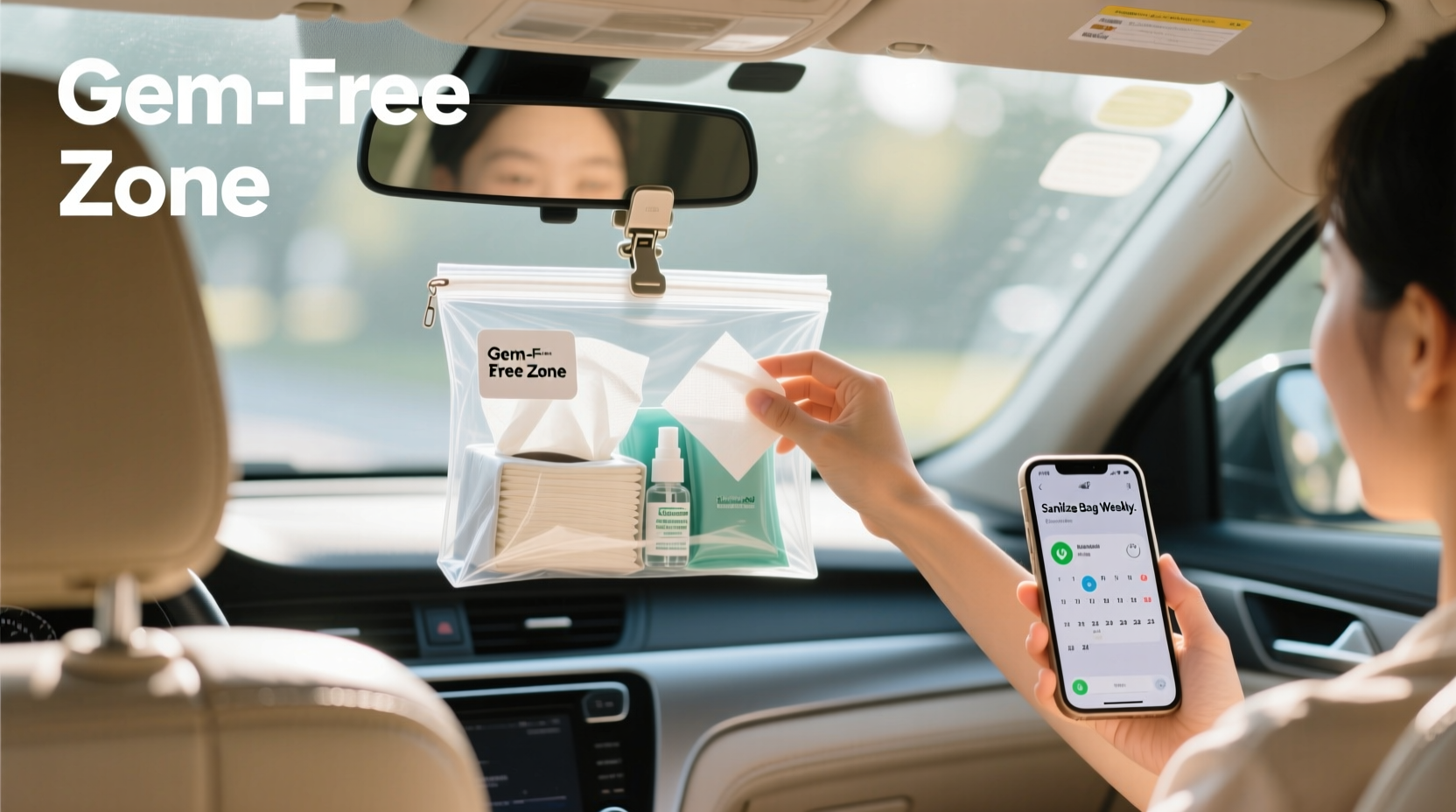
A tissue bag in your car isn’t merely about convenience—it plays a critical role in maintaining hygiene and order. Spills happen. Dust accumulates. Hands get dirty after fueling or handling packages. Without immediate access to cleaning materials, minor messes become breeding grounds for bacteria and lingering odors.
According to Dr. Lena Patel, a public health specialist, “Vehicles are high-touch environments with door handles, steering wheels, and gear shifts frequently exposed to germs. Having quick-access sanitizing tools like tissues or disinfectant wipes reduces cross-contamination risks.” A designated tissue bag ensures these items are always within reach, encouraging prompt cleanup and reducing the spread of pathogens.
“Having cleaning supplies visible and accessible increases the likelihood they’ll actually be used.” — Dr. Lena Patel, Public Health Specialist
Choosing the Right Tissue Bag for Your Needs
Not all tissue bags are created equal. The best options combine durability, accessibility, and smart design. Look for features such as:
- Mounting capability: Hooks, clips, or Velcro straps that attach securely to headrests, seatbacks, or center consoles.
- Multiple compartments: Separate sections for tissues, hand sanitizer, gloves, or small tools.
- Water-resistant lining: Protects contents from moisture if spills occur inside the bag.
- Transparency or labeling: Clear windows or write-on tags help identify contents quickly.
Smart Ways to Organize Your Tissue Bag
Maximizing utility starts with thoughtful organization. Treat your tissue bag not just as a dispenser, but as a mini survival kit for on-the-go cleanliness. Here’s how to stock it effectively:
- Paper tissues or facial wipes: For quick cleanups of faces, hands, or surfaces.
- Disinfecting wipes: Ideal for sanitizing high-touch areas like cup holders, touchscreen displays, or door handles.
- Hand sanitizer (travel-sized): Alcohol-based gel for when water isn’t available.
- Nitrile gloves (pack of two): Useful during fueling, roadside assistance, or handling deliveries.
- Mini trash pouch: A sealed ziplock or reusable silicone bag to hold used wipes until proper disposal.
- Emergency items: Band-aids, allergy meds, or even a spare face mask.
| Item | Purpose | Replacement Frequency |
|---|---|---|
| Paper Tissues | Daily use, spill absorption | Weekly refill |
| Disinfecting Wipes | Surface sanitization | Every 2–3 weeks |
| Hand Sanitizer | Hand hygiene | As needed; check expiration |
| Gloves | Protection during tasks | Replace if torn or expired |
| Trash Pouch | Contain waste temporarily | Empty daily, sanitize weekly |
Real-Life Example: Sarah’s Commute Upgrade
Sarah, a marketing executive in Chicago, used to dread her 45-minute commute. Between coffee spills, smudged screens, and forgotten napkins, her car felt messy and unhygienic. After installing a mounted tissue bag behind her passenger seat, she transformed her routine. She stocked it with flushable wipes, sanitizer, and a small reusable bag for trash.
Within a week, she noticed fewer lingering smells and spent less time cleaning at home. During flu season, she used the disinfecting wipes to clean her steering wheel and phone mount each evening. “It’s small, but it made my car feel more like a clean, personal space,” she said. “I even keep a spare granola bar in there now.”
Step-by-Step Guide to Maintaining Your Car Tissue Bag
To ensure lasting effectiveness, follow this weekly maintenance routine:
- Inspect Contents (Monday morning): Check what’s running low or expired.
- Refill Essentials: Replace tissues, wipes, and sanitizer as needed.
- Clean the Bag Interior: Remove all items and wipe down with a damp cloth. Let air dry before restocking.
- Sanitize High-Touch Items: Spray disinfectant on wipes container or sanitizer bottle exterior.
- Reassess Placement: Ensure the bag is still secure and not blocking seatbelts or views.
- Rotate Seasonal Items: Add lip balm in winter, cooling towels in summer.
Common Mistakes to Avoid
Even with good intentions, poor habits can reduce the effectiveness of your tissue bag:
- Overloading the bag: Stuffed compartments make retrieval difficult and strain zippers.
- Forgetting expiration dates: Expired wipes lose potency; old sanitizer dries out.
- Ignoring moisture buildup: Damp wipes left in humid conditions can grow mold.
- Using non-sealed containers: Open boxes attract dust and pests.
- Placing in direct sunlight: UV rays degrade plastic wipes and reduce shelf life.
Frequently Asked Questions
Can I use baby wipes instead of disinfecting wipes?
Baby wipes are gentle but not designed to kill germs. They may clean surfaces but won’t sanitize them. For true disinfection—especially after handling gas pumps or delivery packages—use EPA-registered disinfecting wipes.
Where is the best place to mount a tissue bag in my car?
The ideal location is behind the front passenger seat, where it’s easily reachable by both driver and passenger without obstructing vision or safety systems. Alternatives include the side door pocket (if rigid), center console storage, or under the dashboard with adhesive mounts.
How often should I replace the entire tissue bag?
With regular care, most fabric or polyester bags last 12–18 months. Replace if you notice fraying, broken zippers, persistent odors, or stains that won’t come out. Vinyl-lined bags tend to last longer due to easier cleaning.
Checklist: Optimize Your Car Tissue Bag Today
- ☐ Choose a durable, mountable tissue bag with multiple compartments
- ☐ Stock it with tissues, disinfecting wipes, hand sanitizer, and gloves
- ☐ Add a small trash pouch for temporary waste storage
- ☐ Mount the bag securely in an accessible location
- ☐ Label or color-code contents for quick identification
- ☐ Schedule weekly refills and cleanings
- ☐ Rotate seasonal items (e.g., cooling cloths, lip balm)
- ☐ Educate passengers on proper use and disposal
Final Thoughts: Small Habits, Big Impact
A car tissue bag might seem like a minor accessory, but its impact on daily hygiene and organization is significant. When thoughtfully stocked and maintained, it becomes a proactive defense against germs, clutter, and stress. It empowers you to respond instantly to messes, maintain a cleaner cabin, and support healthier habits while traveling.
In a world where time and wellness are precious, investing a few minutes each week to manage this simple tool pays dividends in comfort, cleanliness, and peace of mind. Your car deserves more than occasional vacuuming—it deserves a system that supports cleanliness every day.




 浙公网安备
33010002000092号
浙公网安备
33010002000092号 浙B2-20120091-4
Comments
No comments yet. Why don't you start the discussion?