
Millions of people rely on metered-dose inhalers (MDIs), commonly known as “puffers,” to manage asthma, COPD, and other chronic respiratory conditions. Despite their widespread use, studies show that up to 90% of patients do not use them correctly. Poor technique reduces medication delivery to the lungs, leading to inadequate symptom control, increased flare-ups, and unnecessary hospital visits. Mastering the correct puff technique is not just helpful—it’s essential for effective treatment.
Unlike oral medications, inhaled therapies require precise coordination between actuation and inhalation. When used improperly, most of the medication deposits in the mouth or throat instead of reaching the airways where it’s needed. This article provides actionable, evidence-based guidance to help users get the full benefit from every puff.
The Importance of Proper Inhaler Technique
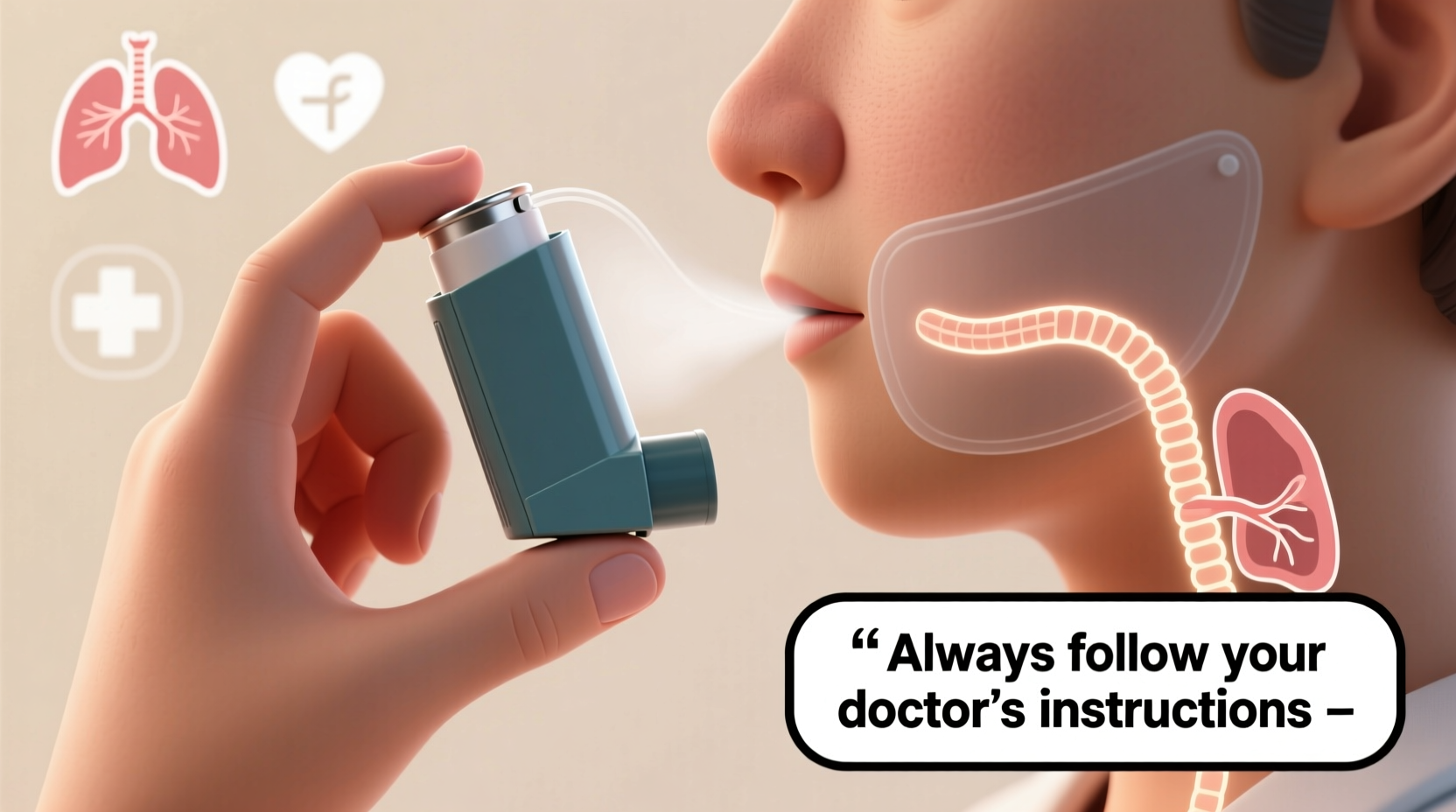
Using a puff correctly ensures that medication reaches the lower airways efficiently. Incorrect use results in inconsistent dosing—sometimes too little medicine arrives at the target site, while excess accumulates in the oropharynx, increasing the risk of side effects like thrush or hoarseness. Over time, poor adherence to proper technique can lead to worsening lung function and reduced quality of life.
Healthcare providers often assume patients understand how to use their inhalers, but research consistently shows gaps in knowledge. A study published in the *Journal of Asthma* found that only 31% of participants could demonstrate all critical steps accurately after being prescribed an MDI. Education and regular review are key to long-term success.
“Even small errors in inhaler technique can reduce lung deposition by more than 50%. Consistent training and follow-up are non-negotiable for optimal outcomes.” — Dr. Linda Patel, Pulmonologist and Respiratory Therapist Educator
Step-by-Step Guide: How to Use a Puff Correctly
Follow this standardized sequence to ensure maximum medication delivery with each use:
- Shake the inhaler: Vigorously shake the canister for 5–10 seconds before each puff to mix the medication evenly.
- Exhale fully: Breathe out completely, away from the inhaler, to create space in your lungs for incoming medication.
- Position the mouthpiece: Place the mouthpiece between your lips, forming a tight seal. Alternatively, use a spacer with a mask or mouthpiece if recommended. <4> Start inhaling slowly: Begin a steady, deep breath through your mouth—at a pace that feels controlled, not rushed.
- Press and breathe: At the start of inhalation, press down on the canister to release one puff. Continue pressing as you inhale over 3–5 seconds.
- Hold your breath: After inhaling, close your mouth and hold your breath for 5–10 seconds to allow particles to settle in the airways.
- Wait before repeating: If a second puff is prescribed, wait at least 30–60 seconds before repeating the process.
Common Mistakes and How to Avoid Them
Even minor deviations from proper technique can drastically reduce effectiveness. Below is a summary of frequent errors and corrective actions.
| Mistake | Consequence | Solution |
|---|---|---|
| Not shaking the inhaler | Inconsistent dose; weaker effect | Always shake for 5–10 seconds before use |
| Fast, shallow breathing | Medication impacts throat, not lungs | Inhale slowly and deeply over 3–5 seconds |
| Actuating before or after inhalation | Missed coordination = poor delivery | Press canister at the very beginning of inhalation |
| Not holding breath post-inhalation | Reduced lung absorption | Hold breath for 5–10 seconds after inhaling |
| Skipping spacer when advised | Higher oropharyngeal deposition | Use a spacer for better targeting, especially in children or elderly |
When to Use a Spacer: Maximizing Delivery Efficiency
A spacer (or valved holding chamber) is a tube-like device attached to the inhaler that holds the aerosolized medication after release, allowing the user to inhale it gradually. It eliminates the need for perfect hand-breath coordination and significantly improves lung deposition.
Spacers are especially beneficial for:
- Children and older adults who struggle with timing
- Patients using corticosteroid inhalers (to reduce oral thrush risk)
- Anyone with difficulty inhaling steadily
To use a spacer effectively:
- Attach the inhaler to the end of the spacer.
- Shake the inhaler and insert it into the spacer.
- Seal lips around the mouthpiece and press the canister once.
- Breathe in slowly and deeply from the spacer—no need to coordinate timing.
- Hold breath for 5–10 seconds.
Mini Case Study: Improving Control Through Technique Correction
Sarah, a 42-year-old office worker with moderate persistent asthma, visited her clinic frequently due to nighttime symptoms and activity limitations. She reported using her albuterol and fluticasone inhalers daily but felt they weren’t working. During a routine check-up, her nurse asked her to demonstrate her technique.
It became clear Sarah was exhaling into the inhaler before use, actuating the puff after starting her breath, and not holding her breath afterward. As a result, less than 20% of her medication was likely reaching her lungs. The nurse provided hands-on training, introduced a spacer, and scheduled a follow-up in two weeks.
At her next visit, Sarah reported fewer symptoms, improved sleep, and greater confidence in managing her condition. A repeat demonstration showed near-perfect technique. Her case highlights how correcting simple errors can transform treatment outcomes without changing medication.
Checklist: Daily Inhaler Use Best Practices
Keep this checklist handy until good habits become routine:
- ✅ Shake the inhaler well before each use
- ✅ Exhale fully before bringing the inhaler to your mouth
- ✅ Form a tight seal around the mouthpiece
- ✅ Start inhaling before pressing the canister
- ✅ Inhale slowly and deeply (3–5 seconds)
- ✅ Hold breath for 5–10 seconds after inhalation
- ✅ Wait 30–60 seconds between puffs if multiple doses are prescribed
- ✅ Rinse mouth with water (and spit) after steroid inhalers to prevent thrush
- ✅ Use a spacer if recommended by your provider
- ✅ Schedule annual technique reviews with your healthcare provider
Frequently Asked Questions
Do I need to use a spacer with every puff?
Not necessarily, but spacers are strongly recommended for inhaled corticosteroids and for anyone who has trouble coordinating the press-and-breathe action. They improve delivery and reduce side effects. Ask your doctor or pharmacist if a spacer is right for you.
How often should I clean my inhaler?
Clean the mouthpiece at least once a week. Remove the metal canister and rinse the plastic casing under warm running water. Allow it to air dry completely before reassembling. Never submerge the metal canister in water.
Can I take more puffs if I don’t feel relief immediately?
No. Taking extra puffs without medical advice increases the risk of side effects and does not improve symptom control. If your symptoms persist, follow your action plan and contact your healthcare provider. Overuse may indicate poor baseline control or incorrect technique.
Conclusion: Take Control of Your Respiratory Health
Using a puff correctly isn’t intuitive—it requires learning, practice, and periodic review. Yet, the payoff is immense: better symptom control, fewer exacerbations, and greater independence. Small adjustments in technique can make the difference between struggling and thriving with a respiratory condition.
Don’t assume your method is correct just because you’ve been doing it the same way for years. Request a technique check during your next appointment. Record yourself demonstrating the steps and compare them to trusted resources. Empower yourself with knowledge and consistency.




 浙公网安备
33010002000092号
浙公网安备
33010002000092号 浙B2-20120091-4
Comments
No comments yet. Why don't you start the discussion?