
AirPods have become an essential part of daily life—used for calls, music, workouts, and more. But their compact size and wireless design make them vulnerable to loss, damage, and environmental stress. One of the most effective yet underutilized solutions is the use of insulated enclosures. These protective cases go beyond basic storage by offering thermal regulation, impact resistance, and enhanced physical security. When used strategically, they significantly extend the lifespan and safety of your AirPods. This guide explores how to maximize AirPod protection through smart selection and use of insulated enclosures.
Why Insulated Enclosures Matter for AirPod Security
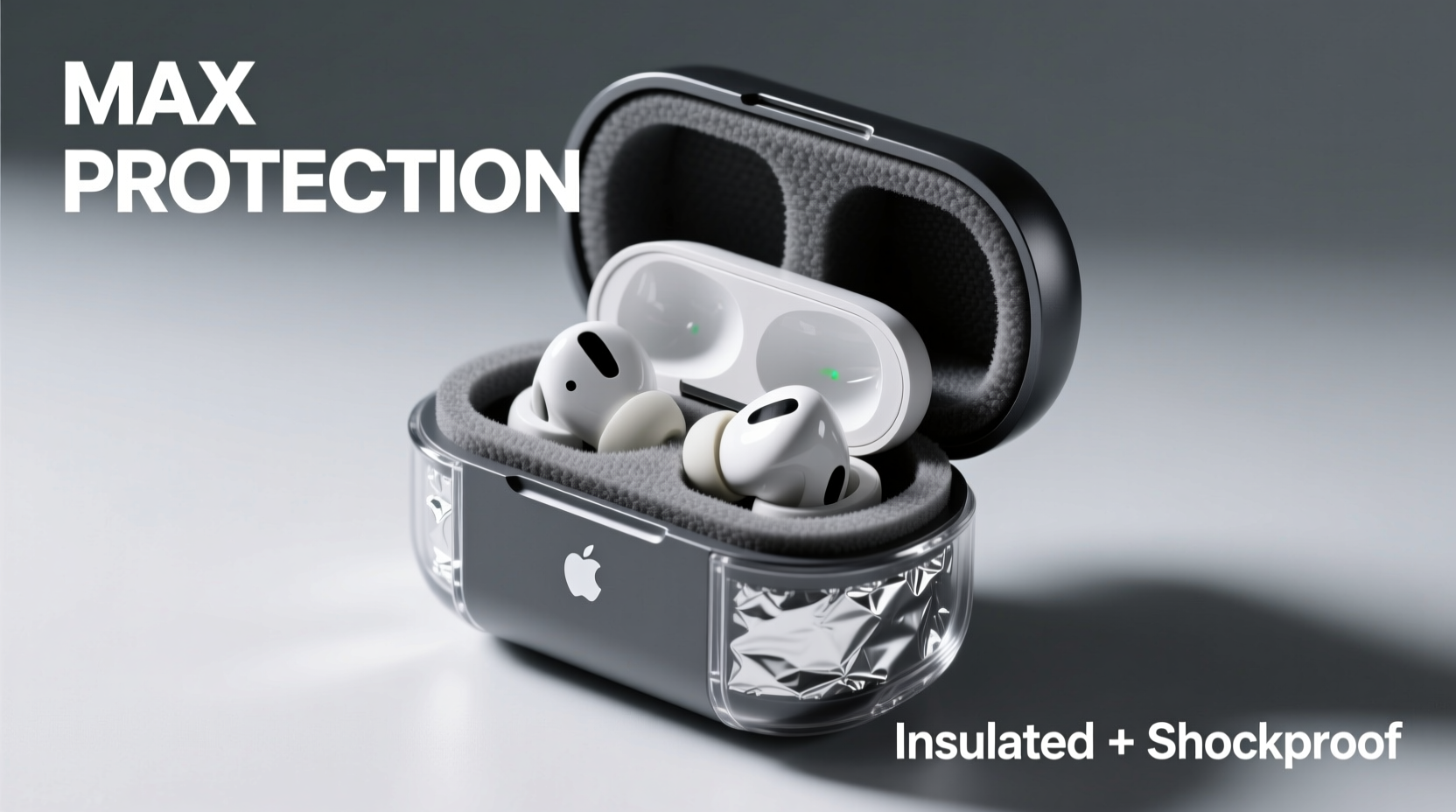
Most users rely on standard plastic or silicone cases that come with their AirPods. While these offer minimal scratch protection, they lack defense against temperature extremes, moisture, and physical shocks. Insulated enclosures, typically made with layered materials like neoprene, foam padding, and water-resistant exteriors, provide a controlled micro-environment for your earbuds.
Extreme temperatures are among the top causes of lithium-ion battery degradation. Leaving AirPods in a hot car or cold gym locker can permanently reduce battery efficiency. An insulated case acts as a thermal buffer, minimizing rapid temperature fluctuations. Additionally, many models include RFID-blocking layers or lockable zippers, reducing the risk of digital or physical theft.
“Thermal insulation isn’t just about comfort—it’s critical for preserving battery chemistry in small electronics.” — Dr. Lena Patel, Senior Electronics Engineer at TechShield Labs
Choosing the Right Insulated Enclosure: Key Features to Look For
Not all insulated cases are created equal. To ensure maximum protection, focus on these five core features:
- Thermal insulation rating: Look for cases with closed-cell foam or neoprene lining (at least 3–5mm thick).
- Water and moisture resistance: A sealed exterior fabric like nylon or TPU-coated polyester prevents sweat, rain, or spills from penetrating.
- Shock absorption: Multi-layer padding helps protect against drops and impacts, especially during travel.
- Secure closure mechanism: Magnetic snaps, Velcro, or zippered designs prevent accidental openings.
- RFID shielding (optional): Some advanced models integrate metallic mesh to block unauthorized scanning of nearby devices.
Step-by-Step Guide to Maximizing Protection
Using an insulated enclosure effectively requires more than just placing your AirPods inside. Follow this timeline-based routine to get the most out of your investment:
- Before Storage – Wipe Down Devices: Use a dry microfiber cloth to remove sweat, oil, or debris from the earbuds and charging case. Moisture trapped inside an insulated environment can promote corrosion.
- Select the Right Environment: Even with insulation, avoid leaving the case near radiators, direct sunlight, or freezing outdoor conditions for extended periods.
- Store in a Secure Location: Place the insulated case in a bag with a zipper compartment or attach it via a carabiner to prevent slipping out.
- Monitor Battery Levels: Store AirPods with 40–80% charge when not in use for long durations. Full discharge or overcharging accelerates wear.
- Inspect Monthly: Check for signs of wear on the case lining, moisture buildup, or loose stitching that could compromise protection.
Do’s and Don’ts of Using Insulated Enclosures
| Do’s | Don’ts |
|---|---|
| Use a case with ventilation flaps if storing in humid climates | Leave AirPods in a sealed insulated case immediately after a sweaty workout |
| Choose a slim-profile model for pocket carry | Over-tighten straps or compress the case, which may damage internal components |
| Pair with a tracking device (e.g., Tile Slim) inside the case | Expose the case to open flames or high-heat sources like hairdryers |
| Clean the interior monthly with a dry brush | Submerge the case in water—even “water-resistant” doesn’t mean waterproof |
Real-World Example: How a Runner Prevented Costly Damage
Jamal, a long-distance runner from Portland, used to carry his AirPods in a standard case during trail runs. After two consecutive winters, he noticed declining battery performance and intermittent connectivity. He switched to a neoprene-insulated case with a secure zipper and began storing his AirPods in an inner jacket pocket rather than an outer running vest.
Within months, battery consistency improved, and he no longer experienced sudden shutdowns in cold weather. During one particularly rainy race, his insulated case kept the earbuds completely dry despite heavy downpour. Jamal now recommends insulated storage to all runners in his local group, emphasizing that “a $15 case saved me from buying new AirPods twice a year.”
Checklist: Optimizing Your AirPod Security Routine
Ensure you’re getting the full benefit of your insulated enclosure with this practical checklist:
- ☐ Select an insulated case compatible with your AirPod model
- ☐ Verify the case has both thermal and shock-absorbing properties
- ☐ Add a Bluetooth tracker inside or clipped to the case
- ☐ Clean the case interior every 4 weeks
- ☐ Avoid extreme environments even when using insulation
- ☐ Charge AirPods to 50% before long-term storage
- ☐ Test fit with charging cable access if needed
Frequently Asked Questions
Can insulated cases cause overheating?
No—if used correctly. Quality insulated cases are designed to stabilize temperature, not trap heat. Avoid placing them near direct heat sources like heaters or laptops. Never leave them in a parked car on hot days, even with insulation.
Are insulated cases bulkier than regular ones?
Slightly, yes. Most add 0.2 to 0.5 inches in thickness. However, advancements in lightweight materials mean many modern versions remain pocket-friendly while offering superior protection.
Do I still need to update my AirPods’ firmware if they’re well-protected?
Absolutely. Physical protection doesn’t replace software security. Apple regularly releases firmware updates that improve connection stability, battery management, and vulnerability patches. Keep your AirPods updated via your connected iOS device.
Final Thoughts: Small Upgrades, Big Gains in Security
Protecting your AirPods doesn’t require expensive gadgets or complicated routines. By switching to an insulated enclosure and following simple best practices, you gain significant advantages in durability, performance, and peace of mind. Whether you're commuting, traveling, or exercising, your earbuds face constant environmental threats. An insulated case serves as a first line of defense—shielding them from temperature swings, moisture, and physical risks.
The investment is minimal compared to the cost of replacing damaged or degraded AirPods every few months. More importantly, consistent protection ensures your devices remain reliable when you need them most.




 浙公网安备
33010002000092号
浙公网安备
33010002000092号 浙B2-20120091-4
Comments
No comments yet. Why don't you start the discussion?