
Every year, millions of tons of plastic bags end up in landfills, oceans, and natural ecosystems, where they can take centuries to break down. While governments and retailers phase out single-use plastics, individual action remains crucial. One of the most effective and accessible ways to reduce plastic waste is by switching to reusable shopping bags—but only if used correctly and consistently. Simply owning reusable bags isn’t enough; their environmental benefit depends on how often they’re used, how well they’re maintained, and how seamlessly they fit into daily routines.
This guide provides actionable strategies to help you maximize the impact of your reusable bags, minimize plastic consumption, and build lasting eco-friendly habits.
Choose the Right Bag for Your Lifestyle
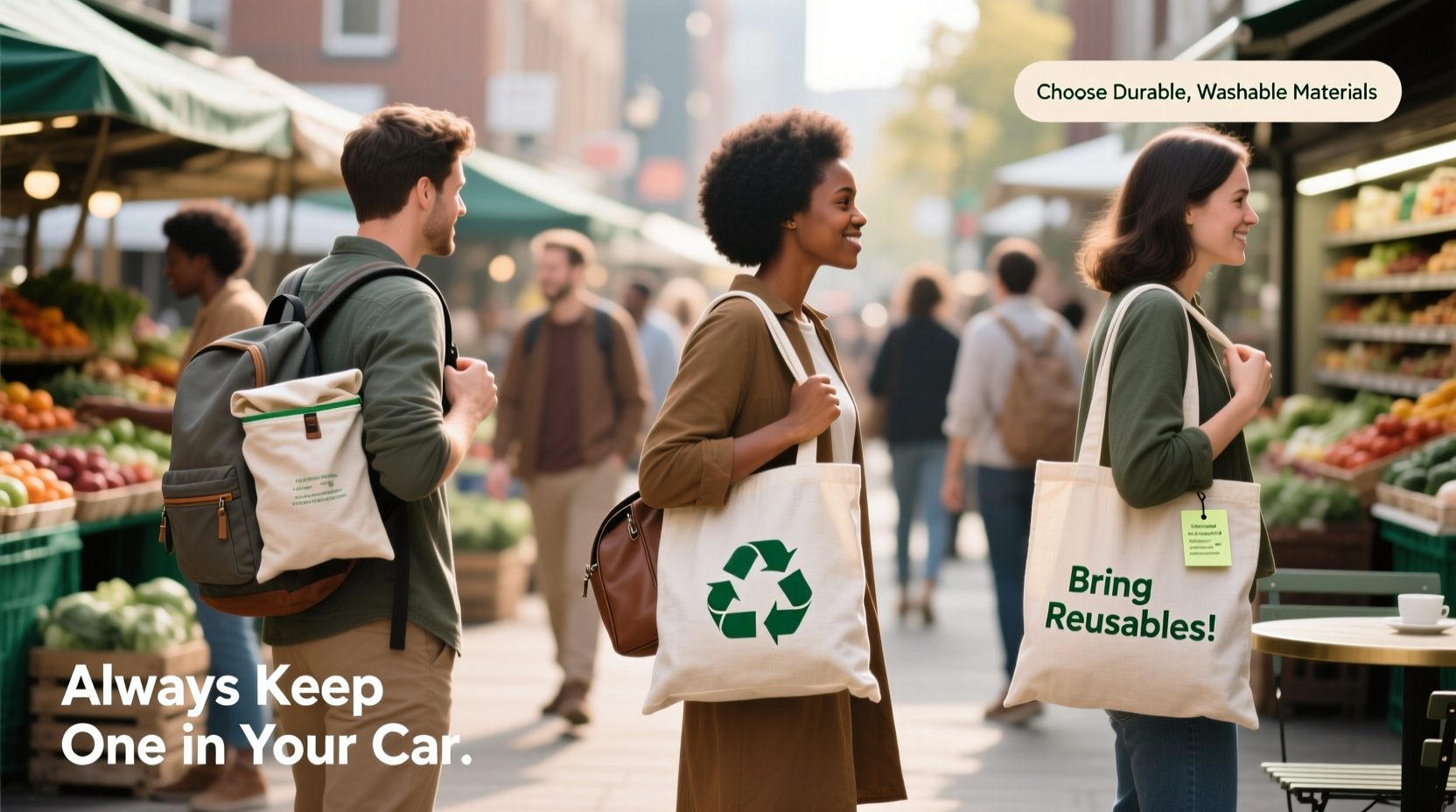
Not all reusable bags are created equal. The key to consistent use lies in selecting designs that suit your shopping patterns, storage space, and carrying preferences. A bag that’s too bulky or inconvenient will likely be left at home, defeating its purpose.
- Foldable nylon or polyester bags: Ideal for quick grocery runs or unexpected purchases. They pack into a small pouch and fit in a purse or car glove compartment.
- Heavy-duty canvas or cotton totes: Best for regular grocery hauls. Durable and washable, but require more storage space.
- Insulated bags: Useful for keeping frozen or refrigerated items cold during transport. Great for reducing reliance on disposable coolers.
- Reusable produce bags: Lightweight mesh options eliminate the need for thin plastic bags at the fruit and vegetable section.
Build a Seamless Routine
The biggest obstacle to effective reuse isn’t availability—it’s forgetfulness. Most people own reusable bags but leave them in the car or at home when needed. The solution lies in creating systems that make reuse automatic.
- Assign a dedicated storage spot at home: Store cleaned bags near your front door, keys, or shopping list to serve as a visual reminder.
- Keep spares in high-traffic areas: Place one in your car, office, or bike basket so you always have backup access.
- Wash and restock immediately after use: Treat returning bags like dirty laundry—clean them and return them to their designated spot right away.
- Create a checklist habit: Add “reusable bags” to your pre-shopping mental or written checklist, just like your wallet or phone.
“Behavioral consistency is more impactful than material sustainability. A durable bag used once every three months does less good than a simpler one used weekly.” — Dr. Lena Patel, Environmental Behavioral Scientist
Care and Maintenance for Longevity
To truly reduce waste, reusable bags must last. Frequent washing, exposure to moisture, and overloading can shorten their lifespan. Proper care ensures each bag replaces hundreds of plastic ones over time.
| Bag Material | Cleaning Method | Avoid |
|---|---|---|
| Cotton/Canvas | Machine wash cold, air dry | Dryer heat (causes shrinkage) |
| Nylon/Polyester | Spot clean or hand wash, air dry | Bleach or direct sunlight drying |
| Insulated | Wipe interior with damp cloth, mild soap | Submerging in water (damages insulation) |
| Mesh Produce Bags | Machine wash gentle cycle, hang dry | Wringing or ironing |
Inspect bags monthly for signs of wear—frayed seams, broken handles, or stains that won’t come out. Repair minor damage with needle and thread or fabric glue. If a bag is beyond repair, consider repurposing it for trash liners or workshop storage before recycling components if possible.
Real Impact: A Case Study
Sarah, a mother of two in Portland, Oregon, decided to eliminate plastic bags from her household in 2022. She started with four sturdy canvas totes and two foldable nylon bags. Initially, she forgot them frequently—especially during weekday errands. After three months, she was still using plastic about 40% of the time.
She then implemented a simple system: she hung a hook by her garage door labeled “Bags Out,” placed a second set in her car trunk, and assigned her oldest child the role of “bag checker” before leaving the house. Within six weeks, her plastic usage dropped to zero. Over 18 months, she estimates avoiding more than 350 plastic bags. Her family now uses color-coded bags for different purposes—green for produce, blue for frozen goods—and has inspired two neighbors to adopt similar practices.
Sarah’s story shows that success doesn’t require perfection—just thoughtful planning and small behavioral nudges.
Maximizing Environmental Benefit
Reusable bags only outperform plastic when used enough times to offset their higher production footprint. According to a 2018 UK Environment Agency study, a cotton tote must be used at least 131 times to match the climate impact of a single plastic bag used once and discarded. For polypropylene (common reusable material), the threshold is 11 uses.
To ensure your efforts pay off:
- Use each bag repeatedly—aim for at least 50 uses per bag.
- Buy fewer, higher-quality bags instead of accumulating trendy but underused ones.
- Support brands that use recycled materials and ethical manufacturing.
- Encourage stores to offer bag-check services or lending programs for customers who forget theirs.
Checklist: Make Reusable Bags Work for You
- ✅ Assess your shopping frequency and choose 3–5 versatile bag types
- ✅ Assign permanent storage spots at home and in your vehicle
- ✅ Clean and restock bags immediately after each use
- ✅ Set a monthly goal: zero plastic bags used
- ✅ Share tips with family or coworkers to amplify impact
FAQ
How many reusable bags do I really need?
Most households benefit from 6–8 reusable bags: 4 large totes for groceries, 1–2 foldable spares, and 2 mesh produce bags. Adjust based on shopping frequency and household size.
Are reusable bags hygienic?
Yes, if cleaned regularly. Wash fabric bags every 3–4 uses, especially after carrying raw meat or perishables. Wipe insulated and synthetic bags with disinfectant wipes to prevent bacterial growth.
What if I forget my bags at home?
If caught without them, decline plastic whenever possible. Carry items loose, use baskets at self-checkout, or ask for paper (which is more recyclable). Use the moment as feedback to improve your system—not as a reason to give up.
Conclusion
Cutting plastic waste with reusable shopping bags is one of the simplest yet most powerful eco-actions available. But its success hinges on intentionality. By choosing practical designs, embedding usage into daily habits, maintaining bags properly, and holding yourself accountable, you turn a small change into a significant environmental contribution.
Every reusable bag carried is a vote for a cleaner planet. Start today—not perfectly, but persistently. Small actions, repeated consistently, create lasting change.




 浙公网安备
33010002000092号
浙公网安备
33010002000092号 浙B2-20120091-4
Comments
No comments yet. Why don't you start the discussion?