
A canvas crossbody satchel is a favorite for its lightweight comfort, versatility, and everyday style. Whether you're commuting through the city, traveling abroad, or running errands, it keeps essentials close and accessible. But that convenience can come at a cost: increased vulnerability to theft. Pickpockets and opportunistic thieves often target crossbody bags, especially in crowded areas. The good news? You don’t need locks, alarms, or anti-theft accessories to significantly improve your bag’s security. With mindful habits and strategic adjustments, you can protect your belongings effectively—and discreetly.
Wear It Right: Position Matters Most
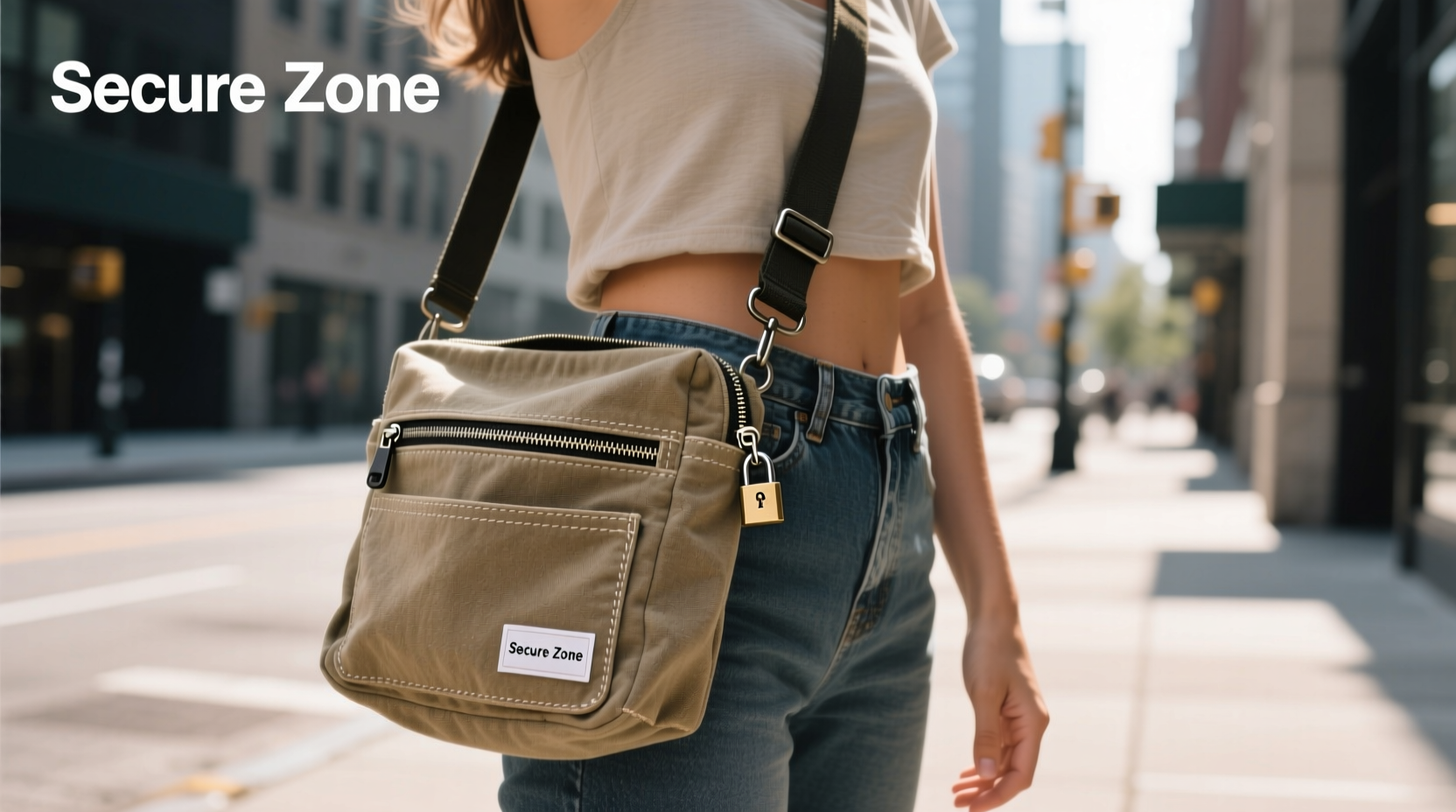
The way you wear your crossbody satchel has a direct impact on its security. Many people sling their bag behind their back or let it rest loosely on their hip, unknowingly creating easy access points for thieves. The safest position is across your chest, with the bag resting on your front side when walking through busy spaces.
When seated—on public transit, at a café, or in a restaurant—keep the satchel between your body and the table. Never place it on an empty chair or hang it from the back of your seat. This not only reduces visibility but also places a physical barrier between the bag and potential grabbers.
Optimal Wear Positions by Situation
| Situation | Recommended Position | Risk Level if Misplaced |
|---|---|---|
| Walking in a crowd | Front-facing, across chest | High (easy to slash or unzip) |
| Standing in line | Front or side, hand near zipper | Moderate (distracted moments) |
| Seated in public | Between legs or on lap | Medium (unattended = target) |
| On public transit | On lap or front, strap tight | High (crowded, moving environment) |
Master the Zipper Discipline
One of the simplest yet most overlooked habits is keeping zippers closed—fully. A partially open flap or zipper may seem harmless, but it invites quick-fingered theft. Always zip up compartments immediately after use, even if you’re just pulling out your phone or keys.
If your satchel has multiple pockets, designate one as your “quick-access” zone—ideally an inner pocket against your body—and keep valuables like wallets, passports, and phones in zipped, deeper sections. Avoid overloading outer pockets; they are the easiest to access unnoticed.
“Most bag thefts succeed because of complacency. A second of distraction and an open zipper are all a thief needs.” — Daniel Ruiz, Urban Safety Consultant
Step-by-Step: Secure Your Bag in 5 Seconds
- After using an item, pause before putting the bag down.
- Check all zippers and flaps—ensure they’re fully closed.
- Slide valuables toward the interior panel.
- Adjust the strap so the bag sits snugly against your torso.
- Scan your surroundings briefly before resuming movement.
Use Weight and Bulk as Deterrents
An underfilled satchel flops around and makes noise, drawing attention. Conversely, a slightly heavier, well-packed bag is harder to tamper with quietly. Fill empty space with small, dense items like a notebook, reusable cutlery set, or folded scarf. The added weight makes the bag less tempting to snatch and more stable on your shoulder.
Bulk also helps mask what’s inside. A flat, visibly empty bag signals low value, while a fuller shape suggests contents worth protecting—discouraging casual thieves who prefer quick, silent grabs.
Adopt Situational Awareness Habits
Security begins with awareness. Train yourself to notice your environment, especially in high-density areas. Avoid distractions like prolonged phone use, headphones at full volume, or deep conversations that pull your focus away from your bag.
Practice the “glance-and-adjust” habit: every few minutes in public, subtly check your satchel’s position and closure. Touch the zipper lightly to confirm it’s secure. This routine builds muscle memory and deters would-be thieves who rely on inattentive targets.
In unfamiliar environments, follow the “one-hand rule”: whenever possible, keep one hand near your bag. On escalators, while boarding buses, or during sudden stops, this instinctive touch prevents slippage and discourages tampering.
Mini Case Study: The Market District Incident
Sophie, a freelance photographer, was exploring a bustling weekend market with her canvas crossbody satchel slung behind her back. She stopped to photograph street art, phone in one hand, camera in the other. Unnoticed, someone unzipped her rear pocket and removed her wallet. By the time she realized it was gone, the suspect had vanished into the crowd.
After reporting the theft, Sophie changed her habits. She now wears her bag across her chest in public, keeps zippers closed, and uses a small notebook to add bulk. Six months later, while touring a foreign city, she felt a tug on her bag. Her immediate grip and eye contact startled the individual, who backed off. Her preventive adjustments made the difference.
Daily Security Checklist
- ✅ Wear the bag across the front in crowded areas
- ✅ Zip all compartments after each use
- ✅ Keep valuables in inner, body-side pockets
- ✅ Add light filler items to reduce flop and noise
- ✅ Perform regular “glance-and-adjust” checks
- ✅ Avoid placing the bag on chairs or floors
- ✅ Limit phone use when in motion
- ✅ Keep one hand near the bag on transit or escalators
Frequently Asked Questions
Can I still be pickpocketed if my bag is in front?
Yes, though the risk drops significantly. Front-worn bags are harder to access without being noticed. However, remain vigilant—some thieves use distraction tactics. Always zip compartments and avoid leaving items in easily reachable outer pockets.
Is it safe to carry my phone in the satchel’s outer pocket?
Not recommended. Outer pockets are prime targets. Instead, store your phone in a zipped inner compartment or hold it when actively using it. If you must use an outer pocket, choose one with a flap or magnetic closure and check it frequently.
What if my satchel doesn’t have zippers—only snap buttons?
Snap closures are less secure than zippers. Compensate by filling the bag to make opening harder, carrying it closer to your body, and manually checking the closure often. Consider transferring critical items to a small pouch inside that you can hold or tuck securely.
Final Thoughts: Security Is a Habit, Not a Gadget
You don’t need reinforced straps, RFID blockers, or alarm systems to protect your canvas crossbody satchel. Real security comes from consistency—small actions repeated daily that build layers of protection. Positioning, zipping, awareness, and smart packing work together to make your bag a poor target.
Think of it as personal situational hygiene: just as you lock your doors or double-check your stove, treat bag security as part of your routine. These habits require no investment beyond attention, yet they dramatically reduce risk.




 浙公网安备
33010002000092号
浙公网安备
33010002000092号 浙B2-20120091-4
Comments
No comments yet. Why don't you start the discussion?