
Tote bags are a staple of modern life—versatile, stylish, and perfect for carrying everything from laptops to groceries. But their open-top design and frequent use make them vulnerable to two common threats: rain and spills. Whether you're commuting through a sudden downpour or juggling coffee on the go, one accident can stain, warp, or even ruin your favorite tote. The good news is that with a few practical strategies, you can significantly reduce these risks and extend the life of your bag.
From material-specific care to smart packing habits, protecting your tote doesn’t require expensive gear or complicated routines. It’s about preparation, awareness, and knowing how to respond when things go wrong. Below are proven methods to help you safeguard your tote bag against moisture and messes—no matter the weather or workload.
Choose the Right Material for Your Lifestyle
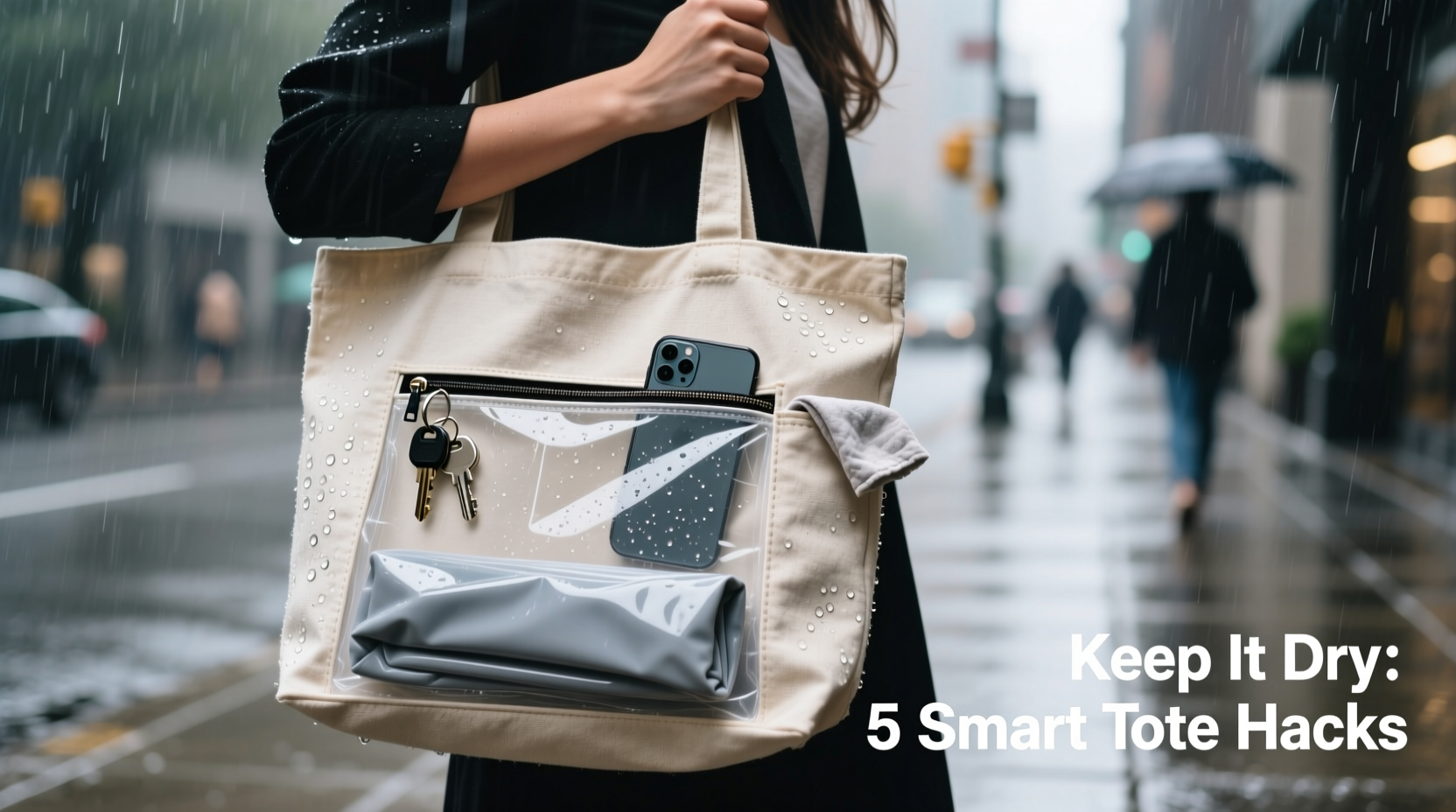
The first line of defense starts before you even step outside. Not all tote bags are created equal when it comes to resisting water and stains. Selecting a material suited to your daily routine makes a dramatic difference in durability and ease of maintenance.
| Material | Water Resistance | Spill Cleanup Ease | Best For |
|---|---|---|---|
| Cotton Canvas | Low (absorbs water) | Moderate (stains set quickly) | Casual outings, dry climates |
| Nylon/Polyester | High (repels water) | Easy (wipeable surface) | Commuting, travel, rainy areas |
| Leather (treated) | Moderate (resists light rain) | Good (clean with damp cloth) | Professional settings, urban commutes |
| Vinyl or PVC-Coated Fabric | Very High (fully waterproof) | Excellent (spills bead up) | Grocery runs, wet environments |
| Linen or Untreated Cotton | Very Low | Poor (prone to staining) | Dry indoor use only |
If you live in a region with unpredictable weather or regularly carry liquids, opt for synthetic fabrics or treated materials. While natural fibers like cotton may feel more eco-friendly, they demand extra protection to avoid damage from moisture exposure.
Use Protective Liners and Inner Pouches
Even the most water-resistant tote isn’t fully immune to leaks from inside. A spilled drink or damp umbrella can seep into seams and cause long-term damage. One of the most effective yet overlooked solutions is using internal barriers.
Inserting a lightweight, washable liner creates a secondary shield between your belongings and the bag’s interior. These come in various forms:
- Removable fabric liners: Often machine-washable, ideal for canvas or linen totes.
- Plastic or silicone pouches: Perfect for holding bottles, snacks, or cosmetics.
- Zip-top dry bags: Originally designed for outdoor activities, these compact bags seal out water completely.
For maximum protection, treat each category of item separately. Keep drinks in an insulated sleeve with a secure lid, place electronics in padded zip cases, and store makeup in spill-proof containers.
“Most tote damage starts from within—not from rain hitting the exterior, but from unnoticed leaks inside.” — Lena Torres, Product Durability Analyst at Urban Gear Labs
Apply Waterproofing Treatments Regularly
Just as you condition leather shoes or treat outdoor gear, your tote bag benefits from periodic waterproofing—especially if made from natural fibers or lightly coated materials.
Water-repellent sprays containing silicone or fluoropolymer create an invisible barrier that causes moisture to bead up and roll off. They work well on canvas, cotton, and some leathers but should be avoided on vinyl or fully synthetic bags, which already have built-in protection.
Step-by-Step Guide: Applying a Water Repellent Spray
- Empty the tote completely and wipe down the surface with a dry microfiber cloth.
- Test the spray on a small, inconspicuous area (e.g., bottom corner) to ensure no discoloration.
- Hold the spray 6–8 inches from the bag and apply evenly in a well-ventilated area.
- Cover both exterior and top edges where rain typically enters.
- Let dry for at least 4 hours (preferably overnight).
- Repeat every 4–6 weeks, or after heavy exposure to moisture.
Emergency Response: What to Do After a Spill or Soak
Despite precautions, accidents happen. How you react in the first 15 minutes can determine whether your tote survives unscathed or suffers permanent damage.
Follow this timeline to minimize harm:
- Immediately: Remove wet items and blot excess liquid with a clean, absorbent towel. Do not rub, as this spreads the spill.
- Within 10 minutes: If stained, dab a small amount of mild soap (like dish detergent) mixed with water onto the spot. Gently blot—never scrub.
- After drying: Air-dry the bag upright in a warm, ventilated space away from direct heat or sunlight. Stuff loosely with acid-free paper to maintain shape.
- Once dry: Assess for lingering odors or stiffness. For organic materials, a light vinegar-water mist (1:3 ratio) can neutralize smells before wiping dry.
Avoid using hairdryers or radiators to speed up drying—they can crack leather or shrink fabric. Patience preserves integrity.
Mini Case Study: The Coffee Commute Mishap
Sophie, a graphic designer in Seattle, relied on her canvas tote for daily commutes. One morning, she placed a travel mug near her laptop—only to discover a leak after a bumpy bus ride. Thanks to a zip-top neoprene sleeve around the mug and a waterproof laptop case, her electronics stayed dry. She immediately removed all contents, blotted the interior with napkins, and let the bag air-dry by a fan. Two days later, the tote was ready to use again—with only a faint mark visible upon close inspection. Her layered protection strategy prevented a costly replacement.
Prevention Checklist: Daily Habits That Protect Your Tote
Make these actions part of your routine to stay ahead of moisture-related damage:
- ✔️ Always line your tote with a removable, wipeable insert.
- ✔️ Carry a foldable rain cover in your bag during wet seasons.
- ✔️ Store liquids in leak-proof containers with secondary sealing (e.g., screw-top + snap lid).
- ✔️ Apply waterproofing spray every 4–6 weeks, especially before rainy months.
- ✔️ Never leave your tote in a damp car trunk or near heaters overnight.
- ✔️ Empty and inspect your bag weekly for residue, crumbs, or hidden spills.
- ✔️ Rotate between multiple totes to reduce wear and allow thorough drying between uses.
Frequently Asked Questions
Can I wash my tote bag in the washing machine?
Only if the care label explicitly allows it. Most canvas totes can be gently machine-washed in cold water with mild detergent, but never put leather, vinyl, or structured bags in the washer. Always air-dry flat to prevent warping.
Are silicone bag protectors worth it?
Yes, especially for high-use bags. Silicone sleeves or full-shell protectors offer excellent resistance to both rain and abrasion. Though slightly bulkier, they’re reusable, easy to clean, and can extend a tote’s lifespan by years in harsh conditions.
What should I do if my leather tote gets soaked?
Act fast. Wipe off surface water with a soft cloth, then stuff the bag with tissue paper to absorb internal moisture. Let it dry naturally at room temperature—away from direct heat. Once dry, condition the leather with a manufacturer-recommended cream to restore oils lost during soaking.
Final Thoughts: Small Steps, Lasting Protection
Your tote bag carries more than just items—it holds your daily rhythm, personal style, and sometimes, irreplaceable essentials. Treating it with consistent care ensures it continues to serve you reliably, season after season. By choosing resilient materials, adding protective layers, maintaining water resistance, and responding swiftly to accidents, you take control over its longevity.
Protection isn’t about perfection—it’s about preparedness. Start with one change: maybe it’s buying a reusable inner liner or scheduling monthly waterproofing. Build from there. Over time, these habits become second nature, and your tote stays cleaner, drier, and more dependable.




 浙公网安备
33010002000092号
浙公网安备
33010002000092号 浙B2-20120091-4
Comments
No comments yet. Why don't you start the discussion?