
Fresh ginger is a powerhouse ingredient in kitchens around the world—adding warmth, spice, and depth to everything from stir-fries to teas. But its tendency to dry out, mold, or sprout within days can be frustrating. The good news: with the right storage techniques, you can extend the shelf life of fresh ginger from a week to several months. This guide breaks down the most effective, tested methods to keep your ginger fresh, flavorful, and ready to use whenever inspiration strikes.
Why Proper Ginger Storage Matters
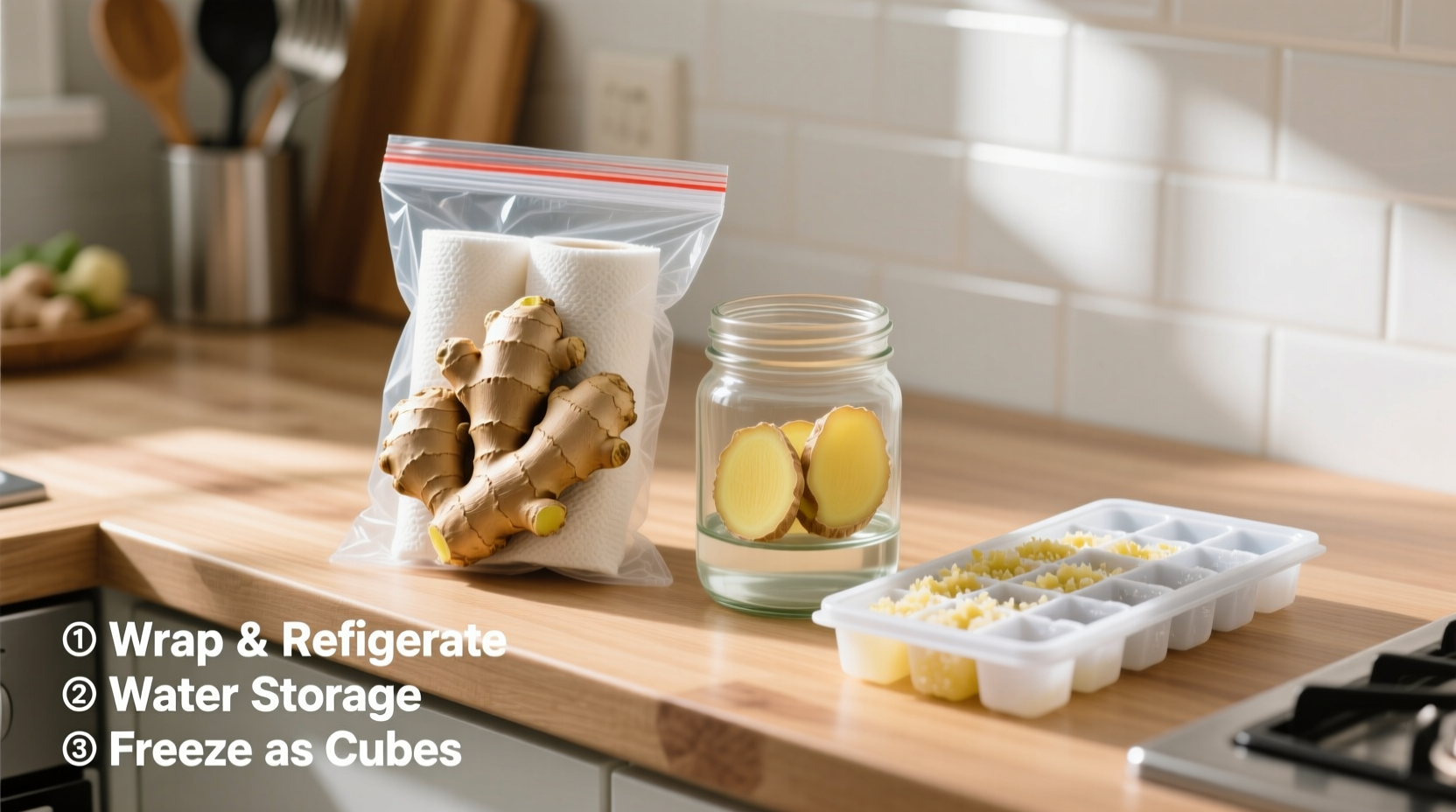
Ginger root (Zingiber officinale) is a rhizome rich in essential oils and moisture. Once harvested, it begins to lose water and degrade, especially when exposed to heat, light, or humidity. Poor storage accelerates spoilage through mold growth, shriveling, or fibrous texture changes. By controlling environmental factors like temperature, airflow, and moisture, you can significantly slow this process.
Improperly stored ginger not only loses flavor but also wastes money and time. A single root can cost $1–$3 depending on season and region. Multiply that by weekly grocery trips, and inefficient storage becomes an avoidable expense.
“Proper post-purchase handling can preserve up to 90% of ginger’s volatile oils—the compounds responsible for its signature zing—for over a month.” — Dr. Lena Patel, Postharvest Food Scientist, UC Davis
Step-by-Step Guide: How to Store Fresh Ginger Based on Usage Timeline
The ideal storage method depends on how soon you plan to use the ginger. Here’s a timeline-based approach:
Short-Term (Up to 1 Week): Countertop or Pantry Storage
If you’ll use ginger within a few days, leave it whole and unpeeled. Place it in a cool, dark spot away from appliances that emit heat.
- Keep the ginger root intact—do not peel or cut.
- Place it in a paper bag or breathable container.
- Store in a cupboard or pantry with stable temperatures below 70°F (21°C).
- Check daily for soft spots or musty smells.
Medium-Term (2–4 Weeks): Refrigerator Storage
The fridge is ideal for extending freshness without freezing. Two methods work best: whole root storage and grated ginger preservation.
Method 1: Whole Root in an Airtight Container
- Leave ginger unpeeled.
- Place in a glass jar or resealable container.
- Seal tightly and store in the crisper drawer.
- Replace air every few days by opening the lid briefly.
Method 2: Vacuum-Sealed or Air-Excluded Bag
Removing oxygen slows oxidation and microbial growth. Use a vacuum sealer or manually press air out of a zip-top bag before sealing.
Long-Term (Up to 6 Months): Freezer Storage
Freezing ginger doesn’t compromise flavor and makes grating easier. You can freeze it whole, sliced, or pre-grated.
- Wash and dry the ginger root thoroughly.
- Leave the skin on (it peels easily after freezing).
- Option A: Freeze whole roots on a tray, then transfer to a labeled freezer bag.
- Option B: Slice into coins or grate finely; spread on parchment-lined tray until firm, then bag.
- Label with date and use within six months for peak quality.
When cooking, simply remove a piece and grate or slice directly from frozen—no thawing needed.
Do’s and Don’ts of Ginger Storage
| Do’s | Don’ts |
|---|---|
| Store unpeeled ginger—skin protects moisture | Peel ginger before storing—it exposes flesh to drying |
| Use glass jars or vacuum-sealed bags | Leave ginger in loose plastic produce bags |
| Wrap in paper towels to absorb moisture | Store near onions or garlic—they emit gases that accelerate spoilage |
| Label frozen ginger with dates | Freeze chopped ginger in water (dilutes flavor and causes texture loss) |
| Grate frozen ginger directly into dishes | Thaw ginger before use—it becomes mushy |
Real Example: How a Home Cook Reduced Waste by 80%
Sophia, a meal-prep enthusiast from Portland, used to buy fresh ginger weekly, only to toss half due to mold. After switching to a simple system—washing, drying, and freezing whole roots in labeled containers—she hasn’t bought new ginger in three months. “I just keep a knob in the freezer,” she says. “When I make curry or tea, I pull it out, grate what I need, and put it back. It’s always fresh-tasting.” Her waste dropped dramatically, and her flavor consistency improved.
This real-world example underscores how small changes in storage habits yield long-term benefits in both convenience and sustainability.
Checklist: Best Practices for Long-Lasting Fresh Ginger
- ✅ Buy firm, smooth ginger with tight skin—avoid wrinkled or damp roots
- ✅ Wash only if visibly dirty; otherwise, store dry
- ✅ Keep unpeeled until ready to use
- ✅ Wrap in paper towel and place in airtight container for fridge storage
- ✅ Freeze whole or grated in portion-sized bags
- ✅ Label containers with purchase or freeze date
- ✅ Use within 1 week at room temp, 4 weeks refrigerated, 6 months frozen
- ✅ Grate frozen ginger directly—don’t thaw first
Frequently Asked Questions
Can I store peeled ginger in water?
No. Submerging peeled ginger in water may seem like a way to retain moisture, but it promotes bacterial growth and dilutes flavor. Water-soaked ginger turns mushy and loses its aromatic compounds within days. If you must store cut ginger, wrap it tightly in plastic or beeswax wrap and refrigerate for no more than 5 days.
Is it safe to use ginger that has started to sprout?
Sprouting indicates aging, not spoilage. While sprouted ginger is safe to eat, its texture becomes fibrous and flavor diminishes. For best results, use sprouted ginger quickly or compost it. To prevent sprouting, store ginger in cooler conditions—ideally below 50°F (10°C).
Can I dehydrate ginger for long-term storage?
Yes. Dehydrating is excellent for preserving ginger indefinitely. Slice thinly, blanch briefly (optional), and dry in a dehydrator or oven at 135°F (57°C) until brittle. Store in an airtight jar away from light. Rehydrate in warm liquid or grind into powder for spice blends.
Conclusion: Make Every Root Last
Storing fresh ginger properly isn’t complicated—but it does require intention. Whether you opt for short-term fridge storage or long-term freezing, the key principles remain the same: minimize moisture exposure, reduce oxygen contact, and protect the skin. These strategies preserve ginger’s pungency, texture, and usability far beyond typical shelf life.
Start today by checking your current ginger storage method. Is it wrapped in plastic? Sitting next to tomatoes? Already showing signs of mold? Small adjustments can transform how long your ginger lasts—and how often you reach for it. Implement one new habit this week, and notice the difference in freshness, flavor, and food waste.




 浙公网安备
33010002000092号
浙公网安备
33010002000092号 浙B2-20120091-4
Comments
No comments yet. Why don't you start the discussion?