
In today’s fast-paced digital environment, distractions are constant, and maintaining sustained concentration can feel like an uphill battle. Many professionals turn to stimulants like caffeine or energy drinks, but these often come with crashes, jitters, or long-term health concerns. A growing number of people are exploring a more natural alternative: essential oils. Used thoughtfully, essential oils can support cognitive function, reduce mental fatigue, and sharpen focus—without side effects. This guide outlines actionable, evidence-informed methods to integrate essential oils into your daily work routine effectively and safely.
The Science Behind Essential Oils and Cognitive Performance
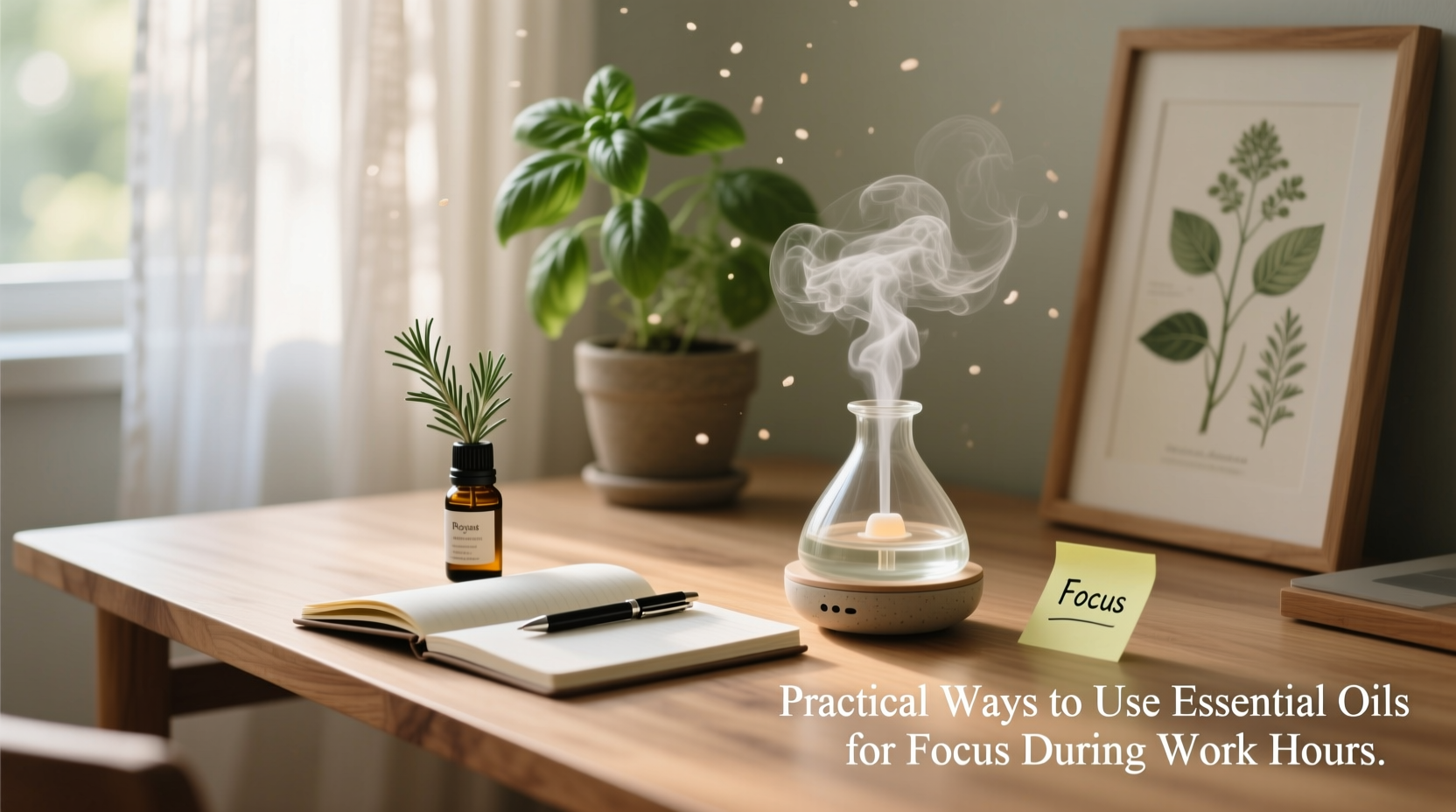
Essential oils are concentrated plant extracts that retain the natural aroma and chemical properties of their source. When inhaled, aromatic compounds travel through the olfactory system directly to the brain, particularly influencing the limbic system—the region responsible for emotions, memory, and arousal. This direct neural pathway allows certain scents to impact alertness and attention almost immediately.
Research supports the cognitive-enhancing potential of specific essential oils. For example, a 2013 study published in Phytotherapy Research found that rosemary oil significantly improved cognitive performance in tasks involving memory and speed of processing. Similarly, peppermint oil has been shown to increase alertness and reduce mental fatigue, according to findings in the International Journal of Neuroscience. These effects are attributed to active constituents like 1,8-cineole (in rosemary) and menthol (in peppermint), which influence neurotransmitter activity and cerebral blood flow.
While essential oils are not a substitute for healthy sleep, nutrition, or structured work habits, they serve as a complementary tool—like noise-canceling headphones for the mind—that can help prime your brain for deep focus.
“Certain essential oils can modulate brainwave activity and improve attention within minutes of inhalation.” — Dr. Jane Buckley, Neuroscientist and Aromatherapy Researcher
Top 5 Essential Oils for Focus and How to Use Them
Not all essential oils are equally effective for concentration. The following five have the strongest scientific backing and user-reported benefits for mental clarity:
- Pine: Sharp, clean scent that stimulates alertness; rich in pinene, known to support memory retention.
- Rosemary: Herbaceous and invigorating; linked to improved speed and accuracy in cognitive tasks.
- Peppermint: Cooling and energizing; enhances oxygen flow to the brain, reducing drowsiness.
- Lemon: Bright and uplifting; reduces mental fatigue and promotes a positive mood conducive to productivity.
- Frankincense: Earthy and grounding; helps calm mental chatter, making it easier to enter a state of focused stillness.
These oils can be used individually or blended for synergistic effects. For instance, combining rosemary and lemon creates a balanced profile—energizing without being overstimulating.
Practical Application Methods for the Workplace
The effectiveness of essential oils depends on how they’re delivered. In a professional setting, discretion and safety are key. Here are five practical, non-disruptive methods suitable for office or remote work environments:
1. Personal Inhalers
Portable nasal inhalers (similar to lip balm tubes) allow you to inhale essential oils discreetly at your desk. Simply add 10–15 drops of your chosen oil or blend to the wick inside the inhaler. Use it during transitions between tasks, before meetings, or when concentration begins to wane.
2. Diffuser Blends for Shared Spaces
If you have control over your workspace, a small ultrasonic diffuser can disperse a fine mist of essential oils into the air. Limit diffusion to 20–30 minutes at a time to avoid sensory overload. A recommended blend for focus:
- 5 drops rosemary
- 4 drops lemon
- 3 drops peppermint
Note: Always check workplace policies and consider colleagues who may be sensitive to scents.
3. Scented Wristbands or Aromatherapy Jewelry
Silicone wristbands or locket-style diffusers absorb a few drops of oil and release fragrance gradually throughout the day. Apply in the morning or after lunch to counteract post-meal sluggishness.
4. DIY Focus Spray
Create a linen or room spray using distilled water, a solubilizer (like witch hazel), and essential oils. A simple recipe:
- ½ cup distilled water
- 2 tablespoons witch hazel
- 15 drops lemon
- 10 drops pine
Mist lightly around your workspace—not directly onto electronics. Reapply every 2–3 hours as needed.
5. Topical Application (Diluted)
Dilute 2–3 drops of essential oil in one teaspoon of carrier oil (such as jojoba or fractionated coconut oil) and apply to pulse points—temples, wrists, or back of the neck. Avoid contact with eyes. Peppermint should be used cautiously on the skin due to its cooling intensity.
| Method | Best For | Duration of Effect | Workplace Suitability |
|---|---|---|---|
| Personal Inhaler | Quick focus boost | 15–30 minutes | High – discreet |
| Diffuser | Sustained ambient support | 30–60 minutes | Medium – shared space caution |
| Aromatherapy Jewelry | All-day subtle exposure | 4–6 hours | High – personal |
| Room Spray | Refreshing workspace | 30–45 minutes | Medium – avoid overuse |
| Topical Application | Targeted stimulation | 45–90 minutes | High – if diluted properly |
Step-by-Step Guide: Building a Focus-Enhancing Routine
Integrating essential oils into your workflow isn’t about random sniffing—it’s about intentional timing and consistency. Follow this timeline to build an effective daily practice:
- 7:00 AM – Morning Activation
Apply a drop of diluted lemon or rosemary oil to your wrists after showering. Inhale deeply while getting ready. This primes your nervous system for alertness. - 8:30 AM – Desk Setup
Place a personal inhaler or aromatherapy bracelet nearby. If using a diffuser, start a 20-minute session with a rosemary-peppermint blend as you begin your first task. - 11:00 AM – Mid-Morning Reset
When energy dips, take a two-minute break. Use your inhaler or reapply a diluted blend to your temples. Pair with a short stretch or breathing exercise. - 1:00 PM – Post-Lunch Revival
Spritz your focus spray in the air near your desk. The citrus notes help combat mental fog caused by digestion. - 3:30 PM – Afternoon Push
Recharge with pine or frankincense via jewelry or topical application. These oils promote mental endurance for late-day tasks. - 5:00 PM – Wind Down Signal
Stop using stimulating oils. Switch to calming scents like lavender if working overtime, to prevent sleep disruption later.
Mini Case Study: A Remote Worker’s Transformation
Sarah, a freelance copywriter based in Portland, struggled with afternoon slumps and frequent distractions while working from home. Despite trying caffeine and productivity apps, she found her attention span shrinking. After reading about aromatherapy, she decided to experiment.
She started with a personal inhaler containing rosemary and lemon. Each morning, she used it during her planning session. At 11 a.m. and 3 p.m., she took two-minute “scent breaks.” Within a week, she noticed she was entering flow states more easily and completing drafts faster. She later added a diluted peppermint roll-on for her wrists, which helped her stay alert during client calls.
After four weeks, Sarah tracked her output: she was producing 25% more content weekly, with fewer revisions needed. “It sounds simple,” she said, “but those few seconds of inhaling really reset my brain. It’s like a mental splash of cold water.”
Checklist: Safe and Effective Use of Essential Oils at Work
Follow this checklist to ensure you’re using essential oils responsibly and efficiently:
- ✅ Choose high-quality, pure essential oils from reputable brands
- ✅ Dilute oils properly before skin application (typically 1–2% dilution)
- ✅ Test for skin sensitivity with a patch test before regular use
- ✅ Avoid using photosensitizing oils (like bergamot) if exposed to sunlight
- ✅ Keep oils away from children and pets, especially cats
- ✅ Do not ingest essential oils without professional guidance
- ✅ Respect coworkers’ sensitivities—opt for personal rather than ambient methods in shared offices
- ✅ Store oils in dark glass bottles, away from heat and light
- ✅ Limit diffusion sessions to 30 minutes or less
- ✅ Rotate oils weekly to prevent olfactory fatigue
Frequently Asked Questions
Can essential oils replace ADHD medication?
No. While some oils like rosemary and vetiver show promise in supporting attention, they are not substitutes for prescribed treatments. They may complement a treatment plan but should never replace medical advice or therapy.
Are there essential oils I should avoid during work hours?
Yes. Sedative oils like lavender, chamomile, or ylang-ylang, while beneficial for relaxation, may reduce alertness. Reserve these for evening wind-down routines unless used in minimal amounts for stress relief during high-pressure moments.
How do I know if an oil is working?
Effects are often subtle. You may notice reduced mental fog, quicker task initiation, or fewer distractions. Keep a brief log for a week—rate your focus on a scale of 1 to 10 before and after using an oil. Patterns will emerge over time.
Conclusion: Make Focus a Sensory Experience
Staying focused at work doesn’t have to rely solely on willpower or stimulants. By harnessing the power of scent, you can create a personalized, natural system that supports sustained attention and mental clarity. The key is consistency, quality, and intentionality. Start small—choose one method and one oil. Observe the results. Refine your approach. Over time, your sense of smell can become a powerful ally in your productivity toolkit.




 浙公网安备
33010002000092号
浙公网安备
33010002000092号 浙B2-20120091-4
Comments
No comments yet. Why don't you start the discussion?