
Fresh ginger root is a cornerstone of global cuisines, prized for its pungent warmth, aromatic complexity, and digestive benefits. Yet many home cooks struggle with how to properly select, peel, grate, slice, or store it—often wasting valuable flesh or underutilizing its full potential. Understanding the correct methods for preparing ginger not only maximizes flavor but also ensures consistency in dishes ranging from stir-fries and soups to teas and baked goods. Whether you're seasoning a curry, infusing a broth, or crafting a marinade, mastering the fundamentals of handling fresh ginger elevates every recipe it touches.
Definition & Overview
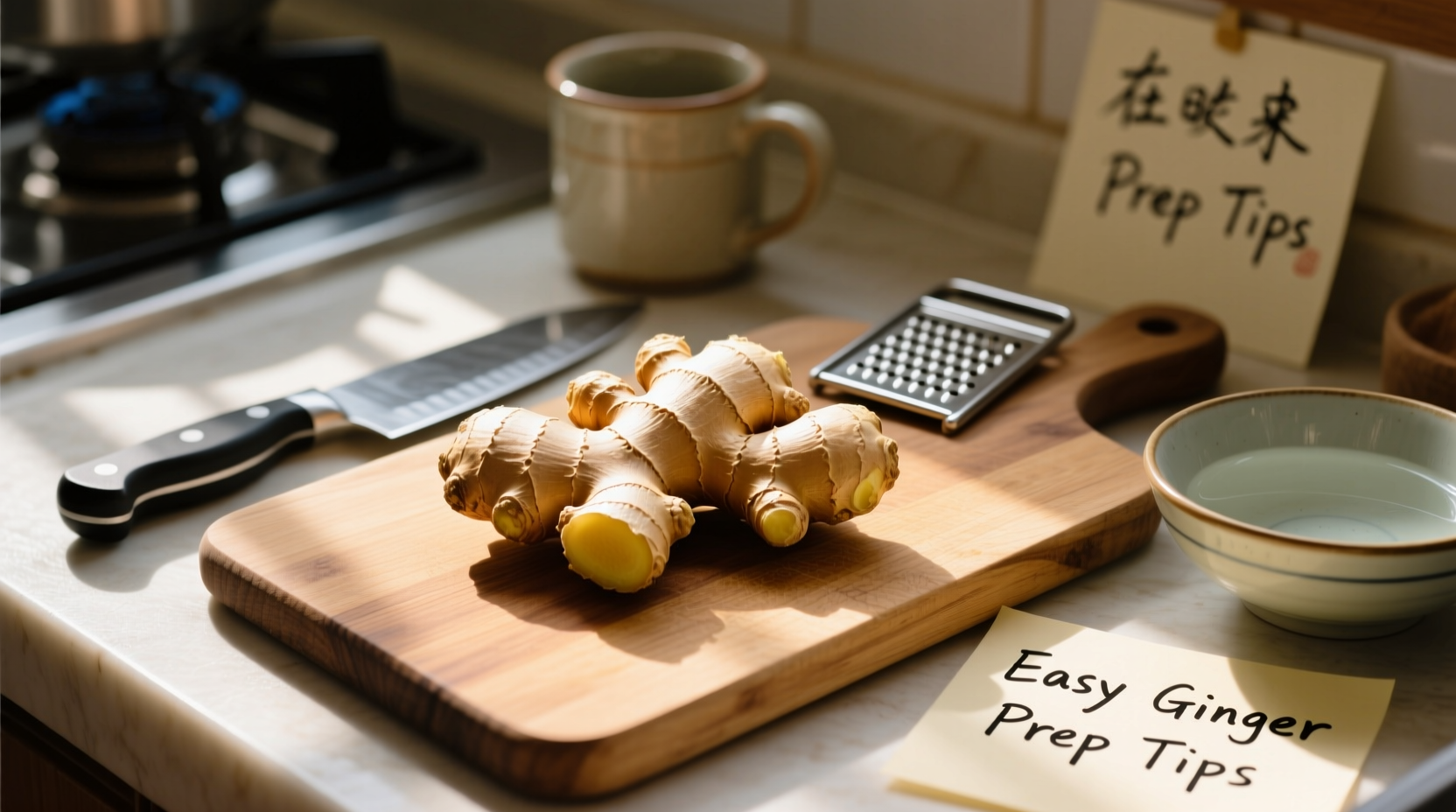
Ginger (Zingiber officinale) is a flowering plant whose rhizome—commonly referred to as \"ginger root\"—is used widely as a spice and herbal remedy. Despite the term “root,” ginger is technically an underground stem, known as a rhizome, that grows horizontally beneath the soil. Native to Southeast Asia, it has been cultivated for over 5,000 years and now plays a vital role in Indian, Chinese, Japanese, Caribbean, Middle Eastern, and Western culinary traditions.
The raw rhizome varies in size and shape, typically appearing as knobby, segmented fingers branching from a central node. Its exterior ranges from pale tan to light brown, while the interior can be creamy white, yellow, or even faintly red depending on the variety. When fresh, ginger should feel firm, smooth, and slightly moist—not shriveled or moldy.
Ginger's unique profile comes from volatile oils like zingiberene and gingerol, compounds responsible for its signature heat and therapeutic properties. Unlike chili peppers, which deliver capsaicin-based fire, ginger offers a bright, sharp warmth that builds gradually and lingers subtly on the palate. This makes it exceptionally versatile across both savory and sweet applications.
Key Characteristics
| Characteristic | Description |
|---|---|
| Flavor Profile | Spicy, warm, citrusy, slightly peppery with a clean finish; younger roots are milder and juicier. |
| Aroma | Pungent, earthy, lemony—intensifies when crushed or grated. |
| Color (Exterior) | Tan to light brown, sometimes fibrous or papery skin. |
| Color (Interior) | Creamy white to golden yellow; consistent color indicates freshness. |
| Heat Level | Moderate to high (non-capsaicin); perceived as warming rather than burning. |
| Culinary Function | Flavor base, digestive aid, tenderizer, natural preservative, anti-inflammatory agent. |
| Shelf Life (Raw) | Up to 3 weeks refrigerated in crisper drawer; longer if frozen. |
Practical Usage: How to Use Fresh Ginger in Cooking
Ginger functions as both a background note and a starring ingredient, depending on preparation method and quantity. In Asian cuisine, it often joins garlic and scallions as part of the aromatic trinity sautéed at the start of a dish. In baking, finely grated or minced ginger enhances spice cookies, cakes, and chutneys. It also shines in beverages—from masala chai to ginger lemon tea and craft cocktails.
Slicing Techniques
Thin slices are ideal for infusions, poaching liquids, or garnishes:
- Coins: Cut crosswise into 1/8-inch rounds. Use in soups, broths, or pickling brines. Remove before serving.
- Matchsticks (Julienne): Slice thinly lengthwise, then stack and cut into fine strips. Common in stir-fries and salads.
- Crushed: Use the flat side of a knife or meat mallet to smash a piece. Releases more juice and essential oils, perfect for stocks and curries.
Grating and Mincing
For seamless integration into sauces, dressings, marinades, or doughs:
- Peel the ginger using one of the recommended methods below.
- Use a microplane grater for ultra-fine texture—this extracts maximum juice and distributes evenly.
- Alternatively, use a box grater (small holes) or chef’s knife for coarser mince.
One tablespoon of freshly grated ginger equals approximately one 1-inch knob. Never substitute dried ground ginger unless the recipe specifically allows—it lacks brightness and behaves differently chemically.
Pro Tip: Grate ginger directly over your bowl or pan to avoid losing precious juices. If grating ahead, press plastic wrap directly onto the surface to prevent oxidation and flavor loss.
Infusions and Juicing
To extract pure ginger essence:
- Simmer peeled chunks in water for 10–15 minutes to make concentrated ginger tea.
- Blend grated ginger with water and strain through cheesecloth for raw juice—ideal for marinades or immune shots.
- Add raw juice to vinaigrettes at a ratio of 1 tsp per ¼ cup oil for zesty lift.
Variants & Types of Ginger
While all edible ginger comes from Zingiber officinale, several forms exist based on age, processing, and region:
| Type | Characteristics | Best Uses |
|---|---|---|
| Young (Spring) Ginger | Paler, thinner skin; tender, juicy flesh; milder heat; often pink-tipped. | Pickling, salads, raw applications, syrups. |
| Mature (Winter) Ginger | Thicker, fibrous skin; denser, spicier flesh; most commonly sold. | Cooking, baking, drying, medicinal preparations. |
| Peeled & Packaged Ginger | Pre-peeled, stored in liquid; convenient but less flavorful over time. | Quick meals; short-term use only. |
| Frozen Ginger | Whole or grated; retains texture and potency when thawed. | Long-term storage; grate directly from frozen. |
| Dried Ground Ginger | Dehydrated and powdered; earthier, less vibrant than fresh. | Baking, spice blends, some medicinal uses. |
When possible, choose mature ginger for robust flavor and long shelf life. Seek out young ginger during spring months at farmers' markets or Asian grocers for delicate applications.
Comparison with Similar Ingredients
Ginger is frequently confused with other rhizomes or spices due to visual similarities or overlapping uses. Understanding distinctions prevents culinary missteps.
| Ingredient | Difference from Ginger | Substitution Advice |
|---|---|---|
| Galangal | Harder texture, sharper, pine-like flavor; common in Thai tom yum soup. | Not interchangeable; too distinct in aroma and structure. |
| Horseradish | Similar pungency but derived from glucosinolates; heat peaks quickly and fades. | Can mimic bite in sauces but lacks sweetness and warmth. |
| Turmeric | Same botanical family; bright orange flesh; earthy, bitter, mild heat; stains easily. | Can complement ginger but not replace it; combine in curries or golden milk. |
| Greater Galangal / Kencur | Less common; stronger camphorous notes; used in Indonesian jamu drinks. | No direct substitution; regional specialty. |
Though turmeric and ginger grow together and share anti-inflammatory reputations, their roles in cooking differ significantly. Ginger brings heat and brightness; turmeric contributes earthiness and color.
Practical Tips & FAQs
How do I peel ginger easily without wasting flesh?
The knobby shape makes traditional peeling inefficient. Instead of a vegetable peeler, use a teaspoon. Slide the tip into crevices and scrape along curves—the concave edge conforms perfectly to ginger’s irregular surface, removing thin layers of skin while preserving usable tissue. A paring knife works well for flat areas but risks removing too much.
Should I always peel ginger?
No. If the ginger is young, clean, and organically grown, the skin is tender and edible. However, mature ginger often has thick, fibrous skin best removed for better texture. Always wash thoroughly regardless.
What’s the best way to store fresh ginger?
For optimal longevity:
- Refrigerator: Place unpeeled pieces in an airtight container or resealable bag with a paper towel. Lasts 2–3 weeks in the crisper drawer.
- Freezer: Freeze whole or pre-grated in portions. Thaw as needed or grate directly from frozen (skin can remain on if freezing whole). Retains quality up to 6 months.
Storage Hack: Cut ginger into 1-inch chunks, freeze on a tray, then transfer to a labeled freezer bag. Pull out what you need without defrosting the entire batch.
Can I substitute ground ginger for fresh?
Rarely advisable. Ground ginger is dehydrated and oxidized, lacking the volatile oils that define fresh ginger’s character. As a rough guide: ¼ tsp ground ≈ 1 tsp fresh grated—but expect muted results. Reserve ground ginger for recipes developed specifically for it, such as gingerbread or spice cakes.
How much ginger should I use per serving?
This depends on application:
- Stir-fries, soups: 1 tsp to 1 tbsp grated per 4 servings.
- Marinades: 1–2 tsp per cup of liquid.
- Baked goods: ½ to 1 tsp grated or ground per recipe.
- Teas/tonics: ½ to 1 inch sliced or grated per cup of hot water.
Start conservatively; ginger’s heat intensifies during cooking and can dominate if overused.
Is sprouted or wrinkled ginger safe to eat?
Slight wrinkling is normal and doesn’t indicate spoilage if the flesh remains firm and smells clean. Avoid any pieces with dark spots, mushiness, or musty odor. Sprouts (like those seen on older bulbs) are not toxic but signal declining freshness and diminished flavor. Trim sprouts and use promptly.
Why does my ginger taste bitter?
Bitterness may result from overcooking, especially in acidic environments (e.g., vinegar-based dishes), or using old, oxidized ginger. To preserve balance, add grated ginger late in the cooking process for brighter notes, or simmer sliced pieces early and remove before serving.
\"Fresh ginger should never be an afterthought. It’s a dynamic ingredient that shapes the entire arc of a dish—from initial aroma to lingering finish.\" — Chef Mei Lin, James Beard Award-winning chef and culinary instructor
Summary & Key Takeaways
Mastering the preparation of fresh ginger root transforms everyday cooking by unlocking deeper layers of flavor, aroma, and health-supportive qualities. By selecting firm, plump rhizomes and employing efficient peeling, grating, and storing techniques, cooks ensure consistent performance in both simple and complex recipes.
Key points to remember:
- Use a spoon to peel ginger efficiently and minimize waste.
- Grate with a microplane for maximum flavor release in sauces and marinades.
- Store unpeeled ginger in the refrigerator for weeks or freeze for long-term use.
- Prefer fresh over dried ginger in savory dishes for superior brightness and complexity.
- Distinguish ginger from similar rhizomes like galangal and turmeric—they are not interchangeable.
- Add grated ginger toward the end of cooking to preserve its volatile top notes.
Ginger is more than a pantry staple—it’s a bridge between tradition and innovation, medicine and cuisine, subtlety and boldness. With proper handling, this humble rhizome becomes one of the most expressive tools in a cook’s arsenal.
Now that you know how to prepare fresh ginger like a pro, try incorporating it into your next soup, stir-fry, or morning tea—and notice the difference precision makes.




 浙公网安备
33010002000092号
浙公网安备
33010002000092号 浙B2-20120091-4
Comments
No comments yet. Why don't you start the discussion?