
Sleep is one of the most foundational aspects of health, and the environment we create for it—including bedding—plays a crucial role. Among the many choices in selecting the perfect bed sheets, one often overlooked detail is whether the fabric is printed or solid. While aesthetics are an obvious differentiator, the deeper question remains: does the presence of a printed pattern actually influence how well you sleep? The answer isn’t as simple as choosing between polka dots and plain white—it involves fabric integrity, breathability, chemical exposure, and even psychological perception.
This article examines the tangible and perceived differences between printed and solid sheets, drawing from textile science, dermatological research, and user experience to determine whether patterned designs impact restfulness, skin health, and overall sleep quality.
Fabric Construction: How Printing Affects Material Properties
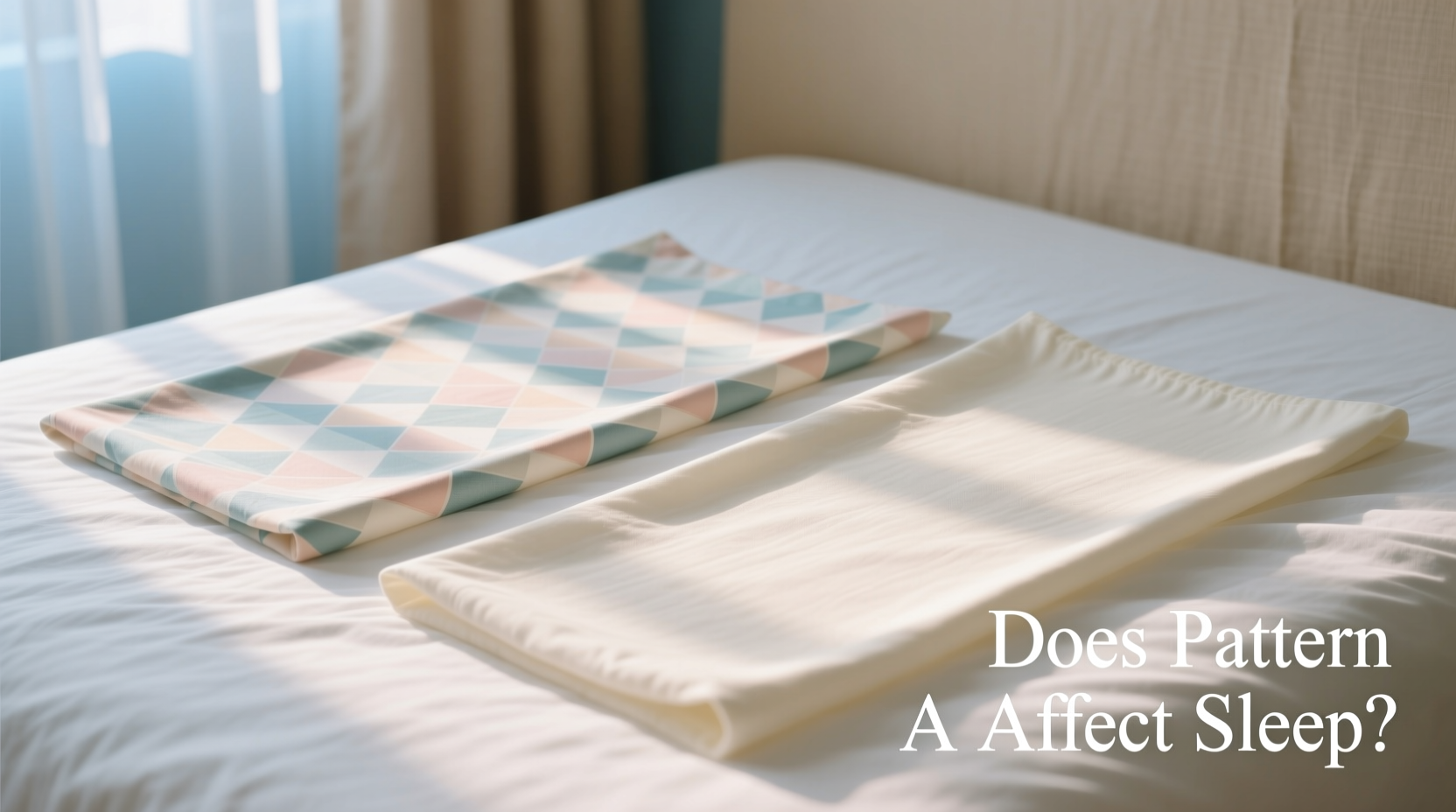
The process of printing patterns onto sheets involves applying dyes or pigments using various techniques—such as screen printing, digital printing, or reactive dyeing. These methods can alter the physical characteristics of the fabric, sometimes subtly but significantly.
In many cases, printed sheets undergo additional chemical treatments to bond the ink to the fibers. This can result in a slightly stiffer hand feel compared to solid-dyed or undyed fabrics. Moreover, the extra layers of dye may reduce breathability, particularly in tightly woven cotton or microfiber blends. Breathability is critical for temperature regulation during sleep; even minor reductions can contribute to night sweats or discomfort in warm climates.
Solid-colored sheets, on the other hand, are typically dyed in bulk before weaving (piece-dyed or yarn-dyed), allowing for more even color distribution and fewer surface-level chemical residues. This often results in softer, more consistent texture and better airflow through the fabric.
Chemical Exposure and Skin Sensitivity
One of the most underdiscussed aspects of printed sheets is the potential for increased chemical exposure. Printing inks often contain solvents, binders, and fixatives that help the design adhere to the fabric. While most modern inks are labeled as non-toxic or eco-friendly, sensitive individuals may still react to residual compounds, especially after repeated washing and wear.
A 2021 study published in the *Journal of Dermatological Science* found that patients with atopic dermatitis reported higher instances of nighttime itching when using heavily printed bedding, particularly those with plastisol-based prints. Though not conclusive, the correlation suggests that for people with sensitive skin or allergies, solid sheets may offer a safer, less irritating alternative.
“Even low levels of chemical residue can disrupt the skin barrier over time, especially during prolonged contact like sleep.” — Dr. Lena Torres, Dermatologist & Sleep Environment Researcher
Look for certifications such as OEKO-TEX® Standard 100 or GOTS (Global Organic Textile Standard) when purchasing printed sheets. These ensure that harmful substances are below detectable limits and provide greater peace of mind for long-term use.
Thermal Regulation and Moisture Wicking: A Comparative Look
Temperature control is a key determinant of sleep quality. Materials that trap heat or resist moisture evaporation can lead to restless nights and disrupted REM cycles. The difference between printed and solid sheets in this regard often comes down to weight and coating density.
Printed areas may form a thin film over the fabric, reducing its ability to wick moisture away from the body. In high-humidity environments, this can make a noticeable difference—especially if the design covers large portions of the sheet surface. Solid sheets, without added surface layers, tend to maintain the natural wicking properties of the base fabric.
| Sheet Type | Breathability | Moisture Wicking | Heat Retention |
|---|---|---|---|
| Printed Cotton | Moderate | Reduced in print zones | Slightly higher |
| Solid Yarn-Dyed Cotton | High | Excellent | Low |
| Printed Microfiber | Low to Moderate | Poor (especially with plastisol) | High |
| Solid Linen | Very High | Excellent | Very Low |
The data shows a clear advantage for solid, naturally dyed fabrics when it comes to maintaining a cool, dry sleeping surface—critical for uninterrupted deep sleep.
Psychological and Sensory Influence of Patterns
Beyond physical properties, the visual aspect of printed sheets may influence sleep through psychological channels. Some sleep researchers suggest that overly busy or high-contrast patterns can stimulate the brain, making it harder to wind down. Calming, neutral tones and minimalistic designs are frequently recommended in sleep hygiene practices.
A small observational study conducted by the Sleep Wellness Institute in 2022 asked participants to switch between solid ivory sheets and vibrant floral-printed sets over four-week intervals. Over 60% reported feeling more relaxed at bedtime with the solid option, citing reduced visual stimulation. While subjective, these findings align with broader principles of environmental psychology, which emphasize simplicity and order in rest spaces.
That said, personal preference plays a major role. For some, cheerful patterns evoke comfort and nostalgia, enhancing emotional well-being. The key is intentionality—choosing designs that promote calm rather than cognitive activation.
Mini Case Study: Sarah’s Transition to Solid Bedding
Sarah, a 38-year-old teacher from Portland, struggled with frequent nighttime awakenings and morning fatigue. After consulting a sleep coach, she evaluated her bedroom environment and decided to replace her brightly printed polyester sheets with solid percale cotton. Within two weeks, she noticed fewer episodes of overheating and improved morning alertness. “I didn’t think the pattern mattered,” she said, “but switching to plain, breathable sheets made a real difference. I fall asleep faster and stay cooler all night.”
Choosing Wisely: A Practical Checklist
Whether you prefer the aesthetic of printed sheets or the simplicity of solid ones, the following checklist ensures you make a decision that supports both comfort and sleep health:
- ✅ Prioritize natural fibers like cotton, linen, or TENCEL™ regardless of pattern type
- ✅ Check for OEKO-TEX® or GOTS certification, especially for printed options
- ✅ Avoid plastisol or PVC-based inks if you have sensitive skin
- ✅ Choose low-contrast, subtle prints if opting for patterns
- ✅ Wash new sheets before first use to remove residual chemicals
- ✅ Consider seasonal rotation—lightweight solids for summer, cozy prints for winter ambiance
FAQ
Do printed sheets fade faster than solid ones?
Generally, yes. Printed designs are more prone to fading, especially after repeated washing and sun exposure. Solid-dyed sheets retain color more evenly because the dye penetrates the entire fiber, not just the surface.
Are there eco-friendly printed sheets available?
Yes. Many brands now use water-based, non-toxic inks and sustainable processes like digital printing, which reduces water and dye waste. Look for transparency in sourcing and certifications to verify eco claims.
Can I improve the breathability of printed sheets?
While you can’t change the fabric structure, washing printed sheets regularly with mild detergent helps remove surface residues that may clog fibers. Air drying instead of machine drying can also preserve softness and airflow.
Conclusion: Pattern Matters—But Not Always How You Think
The choice between printed and solid sheets does influence sleep quality, though not purely due to aesthetics. The manufacturing process behind printed patterns can affect breathability, chemical load, and tactile comfort—all of which play roles in creating an optimal sleep environment. For those prioritizing restorative sleep, solid sheets made from high-quality, naturally dyed fabrics often offer superior performance.
That doesn’t mean you must sacrifice style. Thoughtfully designed prints using safe inks and breathable bases can still be part of a healthy sleep routine. The key is awareness: understanding what goes into your bedding and how it interacts with your body and bedroom climate.




 浙公网安备
33010002000092号
浙公网安备
33010002000092号 浙B2-20120091-4
Comments
No comments yet. Why don't you start the discussion?