
Manga collectors know the satisfaction of building a curated library—each volume a piece of art, storytelling, and personal history. But over time, even well-loved collections can fall victim to a silent enemy: paper degradation. Yellowing pages are more than an aesthetic issue; they signal chemical breakdown caused by exposure to light, humidity, and pollutants. Once paper yellows, the damage is irreversible. However, with thoughtful storage practices, you can dramatically slow this process and keep your manga vibrant and intact for decades.
This guide breaks down the science behind paper aging and delivers practical, budget-friendly strategies that any collector—whether just starting or managing hundreds of volumes—can implement immediately. From choosing the right location in your home to selecting archival materials, every decision impacts longevity. The goal isn’t perfection—it’s consistency and awareness.
Understanding Why Manga Pages Yellow
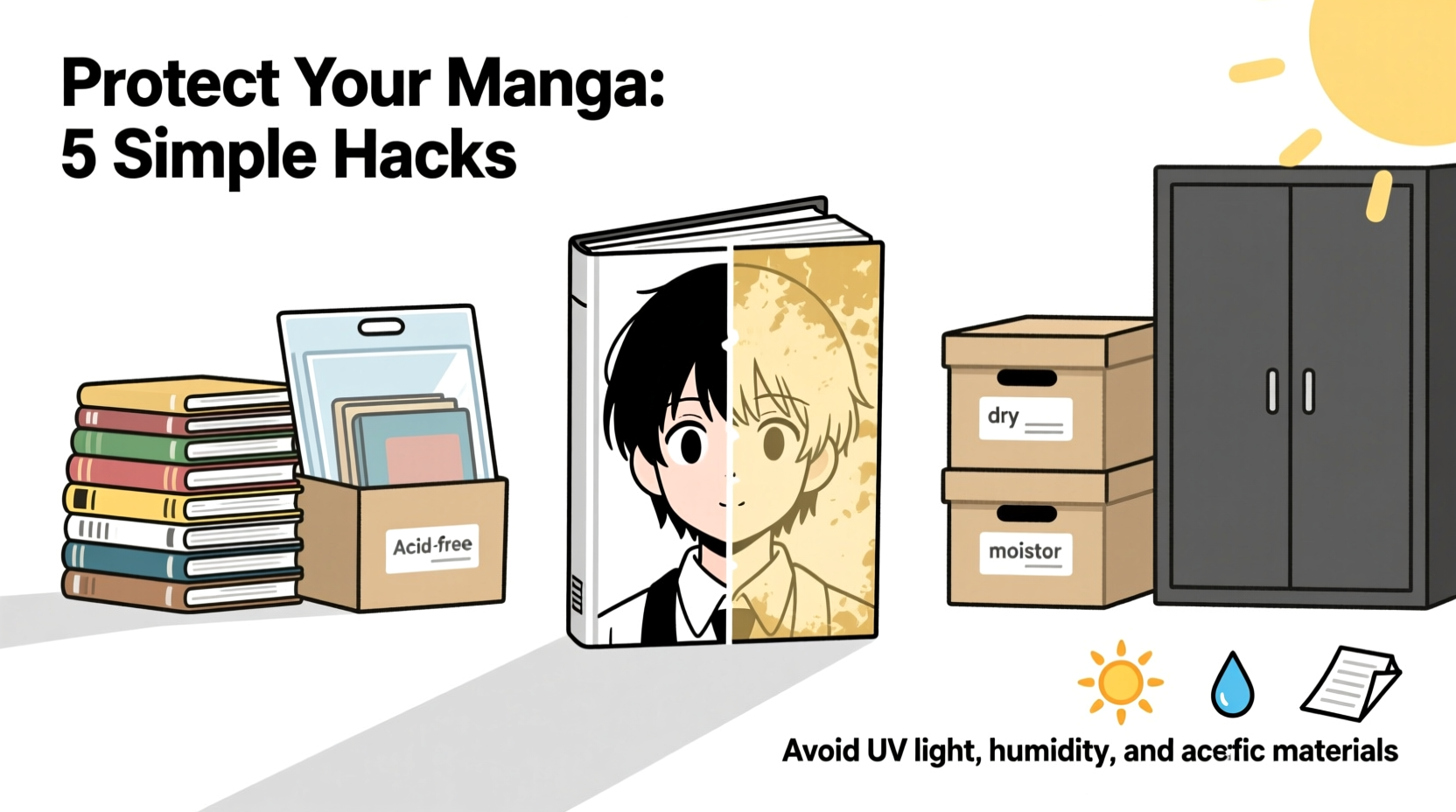
The primary culprit behind yellowing manga pages is oxidation, a natural chemical reaction accelerated by environmental factors. Most manga are printed on wood-pulp-based paper, which contains lignin—a compound that breaks down when exposed to oxygen and ultraviolet (UV) light. As lignin degrades, it produces chromophores, molecules that absorb visible light and give paper its yellow tint.
While some degree of aging is inevitable, poor storage conditions can turn a 10-year-old manga into a brittle, discolored relic. Key accelerators include:
- Direct sunlight or strong artificial light – UV radiation speeds up oxidation.
- High humidity – Promotes mold growth and hydrolysis, another form of paper decay.
- Temperature fluctuations – Cause condensation and stress the binding materials.
- Air pollution – Ozone, nitrogen oxides, and dust particles contribute to acid formation in paper.
- Poor handling – Oils from hands transfer acidity and moisture to pages.
Unlike fine art books made with acid-free paper, most commercially printed manga use cost-effective, short-lived materials. That makes proactive preservation not optional—but essential—for serious collectors.
“Paper doesn’t rot like food, but it does decay chemically. A manga stored in ideal conditions at 65°F and 45% RH can look nearly new after 30 years. The same book near a window or heater may yellow within five.” — Dr. Lina Matsuda, Paper Conservation Specialist, National Archives of Japan
Optimal Storage Environment: Location Matters Most
The single most impactful decision you make is where you store your manga. Even inexpensive protective sleeves won’t compensate for a poorly chosen location. Prioritize stability: consistent temperature, low humidity, and zero direct light.
Ideal storage zones in a home include interior closets, under-bed containers, or climate-controlled cabinets away from exterior walls. Avoid basements and attics—these areas suffer from extreme humidity swings and temperature spikes. Kitchens and bathrooms are also unsuitable due to steam and cooking fumes.
If you live in a humid climate, consider using silica gel packs inside storage boxes to absorb excess moisture. Replace or recharge them every few months. In dry climates, avoid placing manga near heating vents or radiators, which can desiccate paper and cause cracking.
Do’s and Don’ts of Manga Storage Locations
| Do’s | Don’ts |
|---|---|
| Store on interior shelves away from windows | Leave manga on display near sunny windows |
| Use closed cabinets to reduce dust and light exposure | Stack manga directly on concrete floors |
| Maintain stable temperature and humidity | Store in garages, attics, or basements |
| Keep books upright to prevent spine warping | Lay manga flat in piles for long periods |
| Rotate display copies occasionally to limit light exposure | Use fluorescent or halogen lights near shelves |
Protective Encasement: Sleeves, Covers, and Boxes
Once environment is optimized, the next layer of defense is physical protection. Dust, fingerprints, and minor abrasions all contribute to long-term wear. Using protective materials creates a barrier while enhancing structural support.
Choosing the Right Book Sleeve
Comic-grade polypropylene or mylar sleeves are ideal for individual volumes. These are acid-free, transparent, and designed not to stick to ink or coatings. Avoid PVC-based sleeves—they emit hydrochloric acid over time, which damages paper.
When inserting a manga into a sleeve, handle it by the edges. If the spine is already cracked or fragile, consider reinforcing it with Japanese tissue tape before sleeving—a reversible method used in museum conservation.
Using Outer Covers for Extra Defense
For high-value or sentimental volumes, add a second layer with soft polyester dust jackets or custom-fit comic covers. These provide cushioning against pressure and block incidental light when stored on open shelves.
Long-Term Box Storage for Back Issues or Bulk Collections
If you're storing multiple volumes not currently being read, use archival-quality cardboard boxes labeled clearly. Line the bottom with acid-free tissue paper to buffer against minor humidity changes. Never use plastic bins unless they are specifically rated as archival-safe—many trap moisture and off-gas chemicals.
Step-by-Step Guide to Preparing Your Manga Collection for Long-Term Storage
Follow this sequence to systematically safeguard your entire collection. Allocate a weekend or break it into manageable sessions per shelf.
- Sort and assess: Remove all manga from shelves. Check for existing damage—yellowed pages, mold spots, loose spines. Set aside damaged volumes for repair or digitization.
- Clean gently: Wipe covers with a dry microfiber cloth. For stubborn smudges, lightly dampen the cloth with distilled water—never spray directly onto the book.
- Sleeve each volume: Slide manga into polypropylene sleeves one at a time. Ensure no corners are bent during insertion.
- Rehouse in proper location: Return books to shelves that are level, away from light, and spaced to allow airflow. Do not overcrowd.
- Add environmental controls: Place a small hygrometer nearby. Add silica gel packs if needed, enclosed in breathable fabric pouches.
- Create a maintenance schedule: Plan biannual checkups to inspect for pests, moisture, or fading.
This process takes effort upfront but pays dividends in preservation. It also gives you a chance to rediscover forgotten titles and appreciate your collection anew.
Real Collector Case Study: How Ken Preserved His First Edition Naruto Set
Ken, a collector from Osaka, began amassing first-edition Shonen Jump manga in 2005. By 2015, he noticed several volumes—especially those displayed on a sunlit bookshelf—were developing noticeable yellowing along the page edges. Distressed, he consulted a local conservator and restructured his entire storage system.
He moved his collection to a closet-lined cabinet in his bedroom, installed blackout curtains, and sleeved every volume in archival mylar. He added a digital thermo-hygrometer and placed reusable silica gel packs in each shelf compartment. For display, he rotates three “showcase” volumes monthly, keeping others protected.
Ten years later, his sealed and stored volumes show no further yellowing. The previously affected ones stabilized and remain readable. “I learned that visibility comes at a cost,” Ken says. “Now I enjoy my collection without guilt or worry.”
Essential Checklist for Manga Preservation
Use this checklist to audit your current setup or prepare a new storage space:
- ✅ Store manga away from direct sunlight and bright artificial light
- ✅ Keep books upright with support to prevent spine sagging
- ✅ Use acid-free, non-PVC protective sleeves for each volume
- ✅ Maintain temperature between 60–70°F (15–21°C)
- ✅ Keep humidity between 45–55%
- ✅ Avoid kitchens, bathrooms, basements, and attics
- ✅ Handle manga with clean, dry hands or cotton gloves
- ✅ Use archival boxes for long-term storage—not plastic bins
- ✅ Monitor conditions regularly with a hygrometer
- ✅ Rotate displayed volumes to minimize light exposure
Frequently Asked Questions
Can I reverse yellowing once it starts?
No. Once paper has yellowed due to lignin oxidation, the change is permanent. However, removing the source of damage (e.g., sunlight or humidity) can prevent further deterioration. Digitizing heavily yellowed volumes is a way to preserve their content.
Are plastic bins safe for storing manga?
Most standard plastic bins are not recommended. Many are made from polyvinyl chloride (PVC) or other plastics that off-gas harmful chemicals over time. If you must use plastic, choose bins labeled “archival-safe” or “polypropylene.” Even then, include breathable liners and moisture absorbers.
Should I store manga vertically or flat?
Always store manga vertically, like files in a cabinet. Storing them flat in stacks puts pressure on lower volumes, causing spine compression and cover deformation. Use bookends to keep them upright without leaning.
Final Thoughts: Preservation Is Part of the Passion
Collecting manga is more than acquiring stories—it’s stewardship. Each volume represents hours of creative labor, cultural context, and personal connection. Protecting them from yellowing isn’t obsessive; it’s respectful. The habits outlined here don’t require expensive gear or technical expertise. They demand only attention and intention.
You don’t need to archive every volume like a museum curator. But applying even two or three of these strategies—choosing a better location, adding sleeves, monitoring humidity—can extend the life of your collection by decades. Start small. Protect one shelf. Then expand.




 浙公网安备
33010002000092号
浙公网安备
33010002000092号 浙B2-20120091-4
Comments
No comments yet. Why don't you start the discussion?