
In the age of oversized smartphone displays and thinner bezels, protecting your device has become more critical than ever. One common debate among users is whether a minimalist bumper offers enough protection—or if skipping a full protective case is simply tempting fate with every drop. With repair costs for flagship phones now exceeding $300 for screen replacements, the stakes are high. So, what’s the real difference between a bumper and a full case, and which one actually keeps your screen intact?
What Is a Bumper—and What Does It Claim to Do?
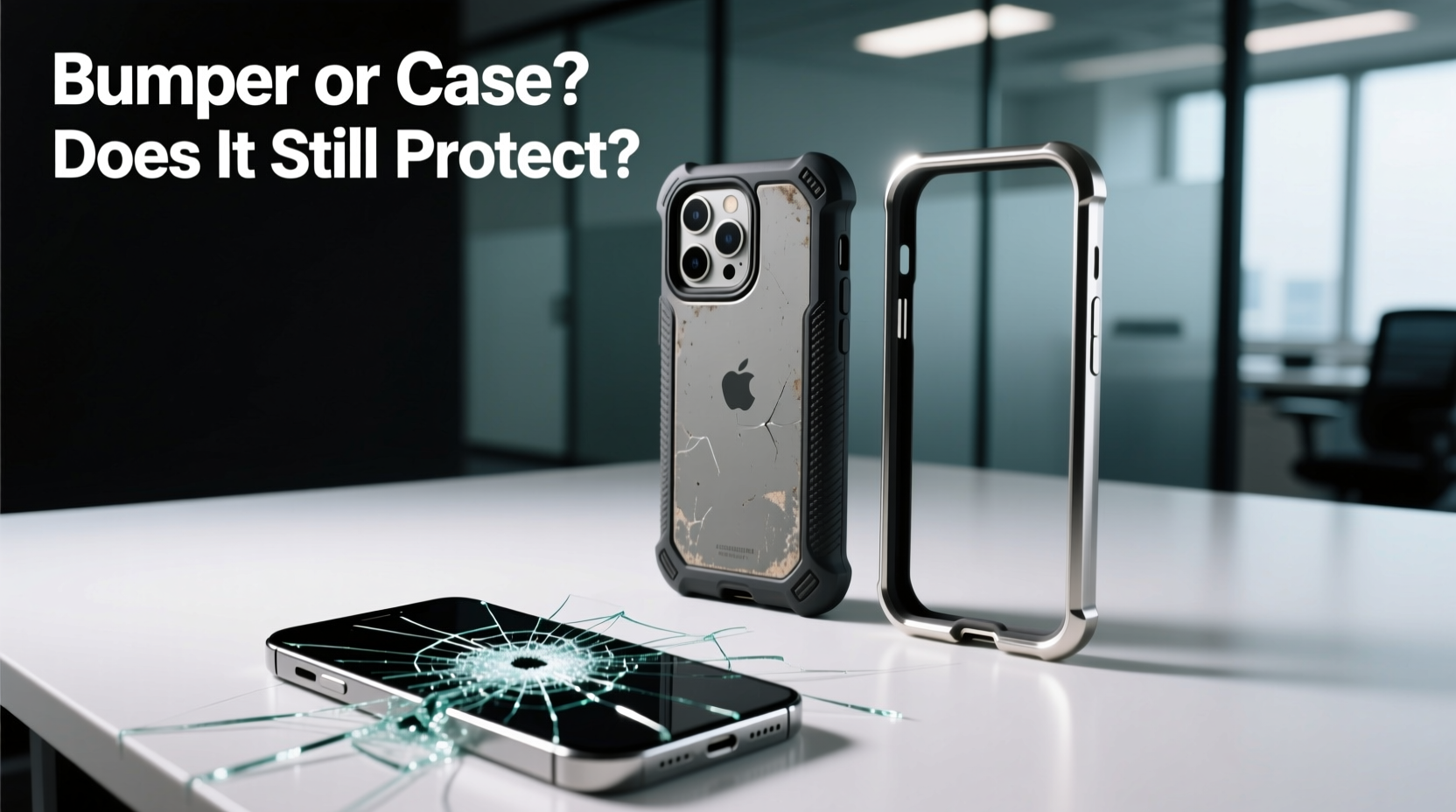
A bumper is a slim frame, typically made from rubber, silicone, or aluminum, that wraps around the edges of a smartphone. Its primary design purpose is to absorb impact on the corners and sides during a fall. Most bumpers leave the back and front of the phone exposed, banking on the idea that the raised lip around the camera and screen will prevent direct contact with surfaces.
Bumpers gained popularity in the early 2010s when smartphones had thicker bezels and sturdier glass. At the time, a two-inch drop onto carpet rarely resulted in damage. But today’s phones feature nearly edge-to-edge glass, heavier builds, and more fragile components. That same two-inch drop onto hardwood can now result in spider-webbed screens—even with a bumper.
Full Protective Cases: Design, Materials, and Real-World Protection
Unlike bumpers, full protective cases envelop the entire phone—back, sides, and often extend slightly above the screen and camera lens. These cases come in various materials:
- Silicone: Flexible and grippy, good for everyday use but limited shock absorption.
- TPU (Thermoplastic Polyurethane): Durable, slightly rigid, excellent at dispersing impact energy.
- Hybrid cases: Combine hard polycarbonate shells with soft inner linings for maximum defense.
- Military-grade (MIL-STD-810G): Tested to survive repeated drops from 4–6 feet onto concrete.
High-end protective cases often include features like air-cushion corners, raised bezels, and reinforced ports. Some even integrate kickstands or wallet slots. The key advantage? Full coverage means less exposure during accidental drops, especially face-down or corner-first impacts.
“Modern smartphones are engineered for aesthetics, not durability. A bumper alone is like wearing a seatbelt without airbags—it helps, but won’t save you in a serious crash.” — David Lin, Mobile Device Durability Analyst at TechShield Labs
Comparing Protection: Bumper vs Full Case
| Feature | Bumper | Full Protective Case |
|---|---|---|
| Edge Protection | ✔️ Strong | ✔️ Strong |
| Back Protection | ❌ None (unless paired with plate) | ✔️ Full coverage |
| Screen Protection (drop) | ⚠️ Limited (relies on lip height) | ✔️ Raised bezel prevents contact |
| Dust & Scratch Resistance | ❌ Low | ✔️ High |
| Drop Test Performance (4 ft, concrete) | ❌ 70% chance of screen/crack damage | ✔️ 85% survival rate (MIL-STD cases) |
| Aesthetic Appeal | ✔️ Sleek, minimal | ⚠️ Bulkier, varied designs |
| Pocket-Friendly | ✔️ Yes | ⚠️ Depends on model |
Real-World Example: The Coffee Shop Drop
Consider Sarah, a freelance designer who uses her iPhone 15 Pro daily. She opted for an aluminum bumper because she liked how “bare” the phone felt. One afternoon, while reaching for her latte, she knocked her phone off the table. It fell about 30 inches onto a tiled floor—landing face-down.
The bumper absorbed some force on the edges, but the lack of a raised bezel meant the screen hit the tile directly. Result? A hairline crack near the bottom right corner. Repair cost: $279. After replacing the screen, Sarah switched to a rugged OtterBox Defender case. Three months later, after dropping the same phone from waist height onto pavement, the screen remained unscathed—only minor scuffs on the case.
This scenario plays out thousands of times daily. Minimalist protection might suffice in controlled environments, but real life is unpredictable.
When Might a Bumper Still Be Enough?
It’s not all doom and gloom for bumpers. In certain situations, they can still provide adequate protection:
- Low-risk environments: Office desks, home use, minimal mobility.
- Secondary devices: E-readers, older phones used as media players.
- With added layers: When combined with a strong screen protector and mindful handling habits.
However, if you’re frequently on the move, use your phone outdoors, or have children or pets nearby, a bumper alone significantly increases your risk of costly damage.
Action Plan: Choosing the Right Protection for Your Lifestyle
- Assess your usage: Are you active, outdoorsy, or accident-prone? Choose full coverage.
- Check bezel height: Newer phones often have less than 0.5mm of screen recess—insufficient for safe drops.
- Look for certified protection: MIL-STD-810G or IP68-rated cases offer tested durability.
- Add a tempered glass screen protector: Even with a full case, this adds an extra layer.
- Replace worn cases: Cracked or loose-fitting cases lose effectiveness over time.
Frequently Asked Questions
Can a bumper protect against water or dust?
No. Bumpers offer zero environmental sealing. For water resistance, you need a sealed case with port covers, especially if your phone isn’t already water-resistant.
Do all full cases make phones bulky?
Not anymore. Brands like Spigen, UAG, and Catalyst offer sleek, ultra-thin cases with military-grade drop protection. You don’t have to sacrifice style for safety.
Is a screen protector enough without any case?
No. While screen protectors guard against scratches and minor impacts, they do nothing for structural drops. The phone’s frame and internal components remain vulnerable.
Final Verdict: Is a Bumper Cutting It in 2024?
The short answer: not really. While bumpers were once a viable middle ground between protection and aesthetics, modern smartphone design has outpaced their utility. Today’s large, curved, and flush-mounted glass panels demand comprehensive protection. A bumper may reduce edge damage, but it won’t prevent the most common and expensive failure—a cracked screen.
If you're using a high-end device, rely on it for work, or simply want peace of mind, investing in a quality full-coverage case is no longer optional—it's essential. Think of it as insurance: inexpensive upfront, invaluable when disaster strikes.




 浙公网安备
33010002000092号
浙公网安备
33010002000092号 浙B2-20120091-4
Comments
No comments yet. Why don't you start the discussion?