
Living a longer, healthier life isn’t just about avoiding disease—it’s about cultivating habits that support cellular resilience, metabolic balance, and emotional vitality. Modern research in longevity science reveals that up to 75% of aging is influenced by lifestyle choices, not genetics. From caloric restriction to social connection, evidence shows that small, consistent changes can significantly extend both lifespan and healthspan—the number of years lived in good health.
The Pillars of Longevity: What Science Tells Us
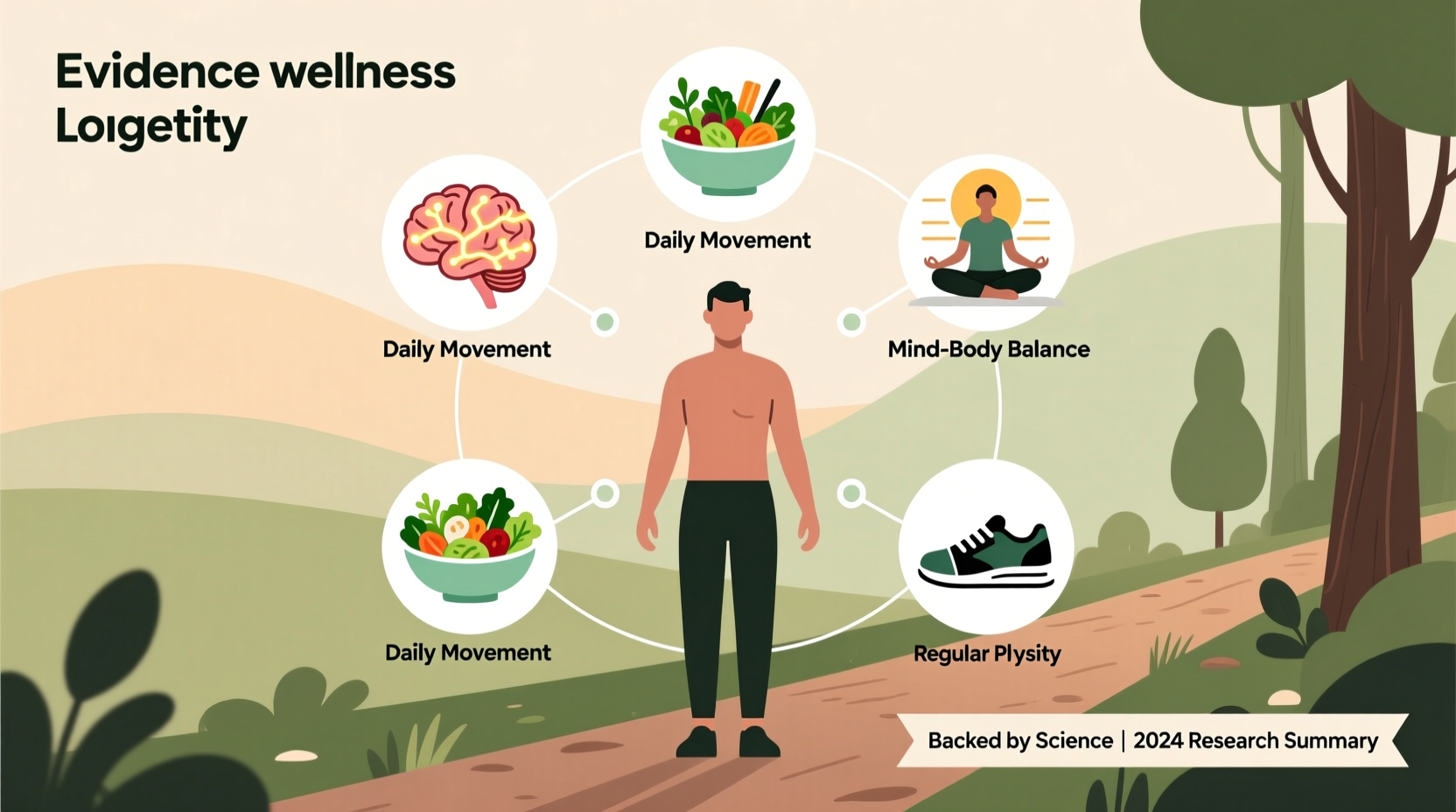
Longevity researchers have identified several biological hallmarks of aging: genomic instability, mitochondrial dysfunction, cellular senescence, and chronic inflammation. The good news? These processes are modifiable. Studies from institutions like the National Institute on Aging and the Buck Institute for Research on Aging confirm that lifestyle interventions directly influence gene expression, telomere length, and metabolic efficiency.
Centenarian populations—such as those in Okinawa, Japan, and Sardinia, Italy—offer real-world proof. Despite genetic diversity, these groups share common lifestyle traits: plant-rich diets, daily physical activity, strong social bonds, and purpose-driven lives. Their example, combined with clinical trials, forms the foundation of today’s most effective longevity strategies.
“Lifestyle is the most powerful medicine we have for delaying aging and preventing chronic disease.” — Dr. David Sinclair, Harvard Medical School, author of *Lifespan*
Nutrition: Eat Like the World’s Healthiest Populations
Diet is arguably the most impactful lever for longevity. Rather than focusing on short-term weight loss, science supports long-term dietary patterns that reduce oxidative stress and inflammation.
The Mediterranean diet consistently ranks highest in longevity studies. It emphasizes:
- Olive oil as the primary fat source
- Abundant vegetables, legumes, and whole grains
- Fatty fish twice weekly (rich in omega-3s)
- Moderate red wine consumption (optional, not required)
- Limited red meat and refined sugars
A 2020 study in The BMJ found that strict adherence to this pattern reduced all-cause mortality by 25%. Similarly, time-restricted eating (TRE)—consuming food within an 8–10 hour window—has been shown to improve insulin sensitivity and autophagy, the body’s process of clearing damaged cells.
Do’s and Don’ts of Longevity Nutrition
| Do | Avoid |
|---|---|
| Eat a variety of colorful vegetables daily | Ultra-processed foods high in sugar and trans fats |
| Include nuts and seeds (e.g., walnuts, flaxseeds) | Sugary beverages, including fruit juices |
| Practice mindful eating and stop at 80% full | Chronic overeating or late-night snacking |
| Stay hydrated with water and herbal teas | Excessive alcohol consumption |
Movement as Medicine: The Role of Exercise in Longevity
Physical activity is one of the few interventions proven to slow multiple aging pathways simultaneously. Aerobic exercise improves cardiovascular function, while resistance training preserves muscle mass and metabolic rate—both critical for independence in later years.
A landmark study published in JAMA Internal Medicine followed over 14,000 adults and found that those who met the minimum guidelines (150 minutes of moderate aerobic activity plus two strength sessions per week) had a 30% lower risk of early death. Even more compelling: benefits plateaued after 300 minutes, suggesting consistency matters more than extremes.
“Exercise doesn’t just keep you alive—it keeps you capable.” — Dr. Peter Attia, longevity physician and author of *Outlive*
Step-by-Step Weekly Movement Plan
- Monday & Thursday: 30 minutes of brisk walking or cycling + 15 minutes of bodyweight exercises (squats, push-ups, planks).
- Tuesday & Friday: Yoga or stretching routine (20–30 minutes) to maintain flexibility and reduce injury risk.
- Wednesday: Active recovery—light gardening, walking, or swimming.
- Weekend: One longer session (60 minutes) of preferred activity (hiking, dancing, etc.) and a family walk to reinforce social + physical health.
Sleep and Stress: The Silent Drivers of Aging
Poor sleep and chronic stress accelerate biological aging. Cortisol, the primary stress hormone, increases inflammation and impairs immune function. Meanwhile, disrupted sleep suppresses melatonin, a potent antioxidant that regulates circadian rhythms and DNA repair.
Research from the University of California, Berkeley, shows that adults who sleep less than six hours nightly have shorter telomeres—the protective caps on chromosomes that shorten with age. Conversely, seven to nine hours of quality sleep is linked to slower cellular aging.
Stress management techniques such as mindfulness meditation, deep breathing, and gratitude journaling have measurable effects. A 2018 meta-analysis in Psychosomatic Medicine found that regular meditators exhibited lower inflammatory markers and improved heart rate variability—a sign of nervous system resilience.
Mini Case Study: Maria’s Turnaround
Maria, a 52-year-old teacher from Portland, struggled with fatigue, weight gain, and anxiety. After tracking her habits, she realized she averaged only 5.5 hours of sleep and spent most evenings scrolling through news feeds. She began a structured wind-down routine: no screens after 9 p.m., chamomile tea, 10 minutes of guided breathing, and a consistent bedtime. Within eight weeks, her energy improved, her mood stabilized, and her annual blood work showed lower CRP (a marker of inflammation). Her doctor noted she looked “a decade younger.”
Social Connection and Purpose: The Hidden Longevity Boosters
Humans are wired for connection. The Harvard Study of Adult Development, one of the longest-running studies on happiness and health, concluded that close relationships are the strongest predictor of long-term well-being—more than wealth, fame, or IQ.
Individuals with strong social ties have a 50% increased likelihood of survival compared to isolated peers, according to a meta-analysis in PLOS Medicine. Purpose—having goals and meaning in life—also correlates with reduced risk of Alzheimer’s, stroke, and cardiovascular events.
Longevity Checklist: Daily Habits for a Healthier Life
- Consume at least five servings of vegetables and fruits
- Move for 30+ minutes (any form of activity counts)
- Limit eating window to 8–10 hours (e.g., 8 a.m. to 6 p.m.)
- Spend 15 minutes on mindfulness or relaxation
- Get 7–9 hours of uninterrupted sleep
- Engage in meaningful conversation or act with kindness
- Avoid smoking and limit alcohol to ≤1 drink/day (women), ≤2 (men)
Frequently Asked Questions
Can supplements really extend lifespan?
No single supplement guarantees longevity, but some show promise under medical supervision. Vitamin D (if deficient), omega-3 fatty acids, and possibly NMN or resveratrol are being studied. However, no pill replaces the benefits of diet, exercise, and sleep. Always consult a healthcare provider before starting supplements.
Is it too late to start if I’m over 50?
It’s never too late. A 2022 study in British Journal of Sports Medicine found that adults who began exercising at age 60 reduced their risk of heart disease by 40% within five years. Biological systems remain responsive to positive change well into later life.
How quickly can I see results?
Many people report improved energy, mood, and sleep within 2–4 weeks of adopting key habits. Blood pressure, cholesterol, and inflammation markers often improve within 3 months. Long-term benefits compound over years.
Conclusion: Small Steps, Lasting Impact
Increasing your lifespan and well-being doesn’t require extreme measures. The science is clear: sustainable habits rooted in nutrition, movement, rest, and connection create a resilient foundation for a vibrant life. You don’t need perfection—just consistency. Start with one change, build momentum, and let each healthy choice reinforce the next.




 浙公网安备
33010002000092号
浙公网安备
33010002000092号 浙B2-20120091-4
Comments
No comments yet. Why don't you start the discussion?