
In service-driven roles—from waitstaff and bartenders to rideshare drivers and hairstylists—tips are more than just a bonus; they’re often a critical part of total earnings. While wages may be fixed, tips are not. The difference between average and exceptional earners isn’t luck—it’s strategy. By applying consistent, research-backed techniques, professionals across industries have significantly increased their tip averages, sometimes doubling their weekly take-home pay. This guide breaks down the most effective, field-tested methods to help you earn more every shift.
Master the Psychology of Tipping
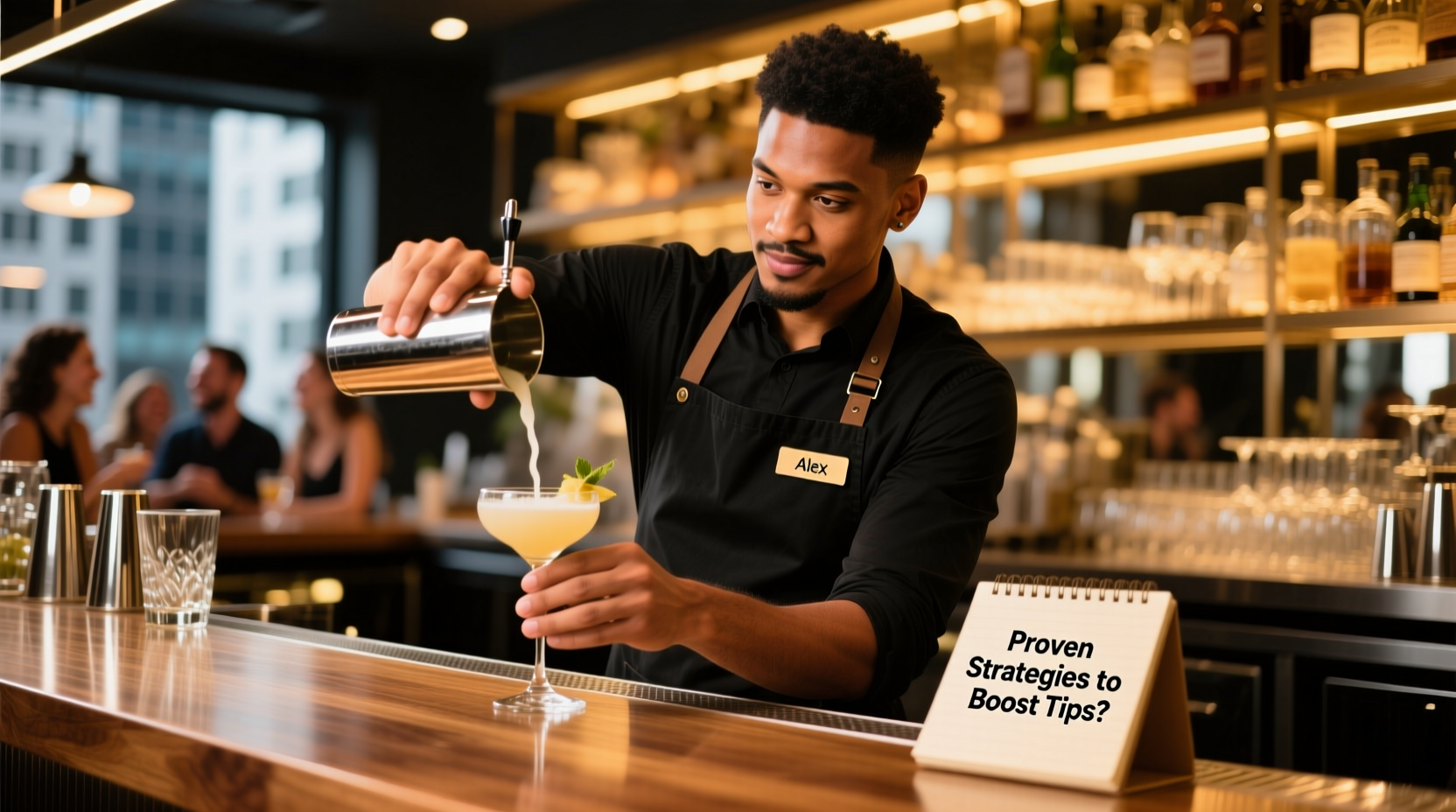
Tipping is as much about perception as it is about service. Customers don’t just reward what you do—they reward how they feel during the interaction. Studies show that guests who feel personally recognized are more likely to tip generously. A 2019 Cornell University study found that servers who used personalized comments like “Enjoy your anniversary!” saw tip increases of up to 18% compared to standard interactions.
Simple psychological cues make a measurable difference. For example, making eye contact, using the customer’s name (if known), and displaying open body language signal warmth and confidence. These nonverbal behaviors build rapport faster than any scripted line.
Deliver Memorable Service, Not Just Adequate Service
Adequate service earns average tips. Memorable service earns generosity. The key is anticipation. Top earners don’t wait for requests—they predict needs. A server refills water before the glass is empty. A driver keeps mints and phone chargers on hand. A stylist remembers a client’s preferred tea and plays their favorite playlist.
This level of attentiveness signals care and professionalism. It transforms a transaction into an experience. According to hospitality expert Laura DeLaune, “People forget prices but remember feelings. If you make someone feel valued, they’ll want to reciprocate.”
“People forget prices but remember feelings. If you make someone feel valued, they’ll want to reciprocate.” — Laura DeLaune, Hospitality Consultant
The Three Pillars of Memorable Service
- Anticipation: Address needs before they’re voiced.
- Personalization: Use names, recall preferences, acknowledge special occasions.
- Presentation: Serve with a smile, maintain composure under pressure, keep your appearance professional.
Strategic Timing and Suggestion Techniques
How and when you present options can dramatically impact both sales and tips. Upselling, when done right, feels helpful—not pushy. The secret lies in framing. Instead of asking, “Do you want dessert?” try, “Our chocolate lava cake pairs perfectly with vanilla ice cream—would you like to try it tonight?” This subtle shift assumes interest and offers value.
Bartenders and servers who use suggestive selling see up to 25% higher check averages, which directly correlates with higher tips. Even better: time your suggestions strategically. Offer appetizers early, desserts after the main course is enjoyed, and after-dinner drinks when conversation lingers.
| Tactic | Effective Approach | Ineffective Approach |
|---|---|---|
| Upselling | “Would you like to add truffle fries for $3 more? Guests love them.” | “Do you want anything else?” |
| Tipping Prompt | Handing the check with a small mint and saying, “Thank you so much—we really appreciate your visit.” | Sliding the check without eye contact or closing remark. |
| Personal Touch | Remembering a regular’s favorite drink and preparing it upon arrival. | Treating every guest the same with no personal recognition. |
Real Example: How Maria Increased Her Weekly Tips by 62%
Maria, a server at a mid-volume Italian restaurant in Austin, was earning around $120 per shift—solid, but not exceptional. After reading research on tipping psychology, she implemented three changes:
- She began writing “Thank you!” on every check.
- She started using customers’ names when possible (learned from reservations or repeated visits).
- She introduced one personalized suggestion per table—like pairing wine with entrees.
Within four weeks, her average tip per check rose from 18% to 26%. On busy weekends, she broke $200 per shift. More importantly, repeat guests specifically requested her section. Her consistency turned good service into a reputation.
Step-by-Step Guide to Building a High-Tip Routine
Consistency is the foundation of increased earnings. Follow this daily framework to lock in habits that compound over time:
- Pre-Shift Preparation (5 minutes): Review reservation notes, ensure appearance is polished, mentally prepare positive mindset.
- First 30 Seconds: Greet warmly, make eye contact, offer immediate value (e.g., water, menu highlights).
- Mid-Service: Check back within two minutes of food delivery. Anticipate refills and clear plates promptly.
- Suggestive Selling: Recommend one premium item per course (appetizer, entrée upgrade, dessert).
- Check Delivery: Present the check with a compliment or small token (mint, cookie) and express genuine appreciation.
- Post-Visit Note (for regulars): Jot down a detail (e.g., “Loves pinot noir,” “Celebrating birthday”) to use next time.
Essential Checklist for Higher Tips
Use this checklist at the end of each shift to evaluate and refine your performance:
- ✅ Did I greet every table with energy and eye contact?
- ✅ Did I use at least one guest’s name during service?
- ✅ Did I make one personalized recommendation?
- ✅ Did I check back after food was served?
- ✅ Did I thank guests sincerely when they left?
- ✅ Did I note any details for future visits?
- ✅ Was my appearance clean and professional throughout?
Frequently Asked Questions
Do handwritten notes on checks really increase tips?
Yes. Multiple studies confirm that a simple “Thank you” or smiley face drawn on the check increases tip averages by 3–14%. The gesture feels personal and creates positive closure.
Is it okay to remind customers about tipping?
Direct reminders are inappropriate. Instead, use indirect cues: excellent service, timely follow-ups, and a warm farewell naturally encourage fair tipping. In digital payment systems, preset tip suggestions (20%, 25%, 30%) also guide behavior without pressure.
Can personality outweigh skill when it comes to tips?
Personality has a strong influence, but it must be paired with competence. A friendly server who forgets orders will earn less than a polite, efficient one. The highest earners blend warmth with reliability.
Conclusion: Turn Every Shift Into a Growth Opportunity
Increasing your tips isn’t about changing jobs or waiting for busier nights—it’s about refining what you already do. Small, intentional actions compound into significant financial gains over time. Whether you're serving tables, driving passengers, or cutting hair, your income potential is directly tied to the value you create in each interaction.
Start tonight. Pick one strategy—write a thank-you note, use a guest’s name, suggest one upgrade—and master it. Then add another. Consistency builds reputation, and reputation drives results. Your next best tip is just one thoughtful action away.




 浙公网安备
33010002000092号
浙公网安备
33010002000092号 浙B2-20120091-4
Comments
No comments yet. Why don't you start the discussion?